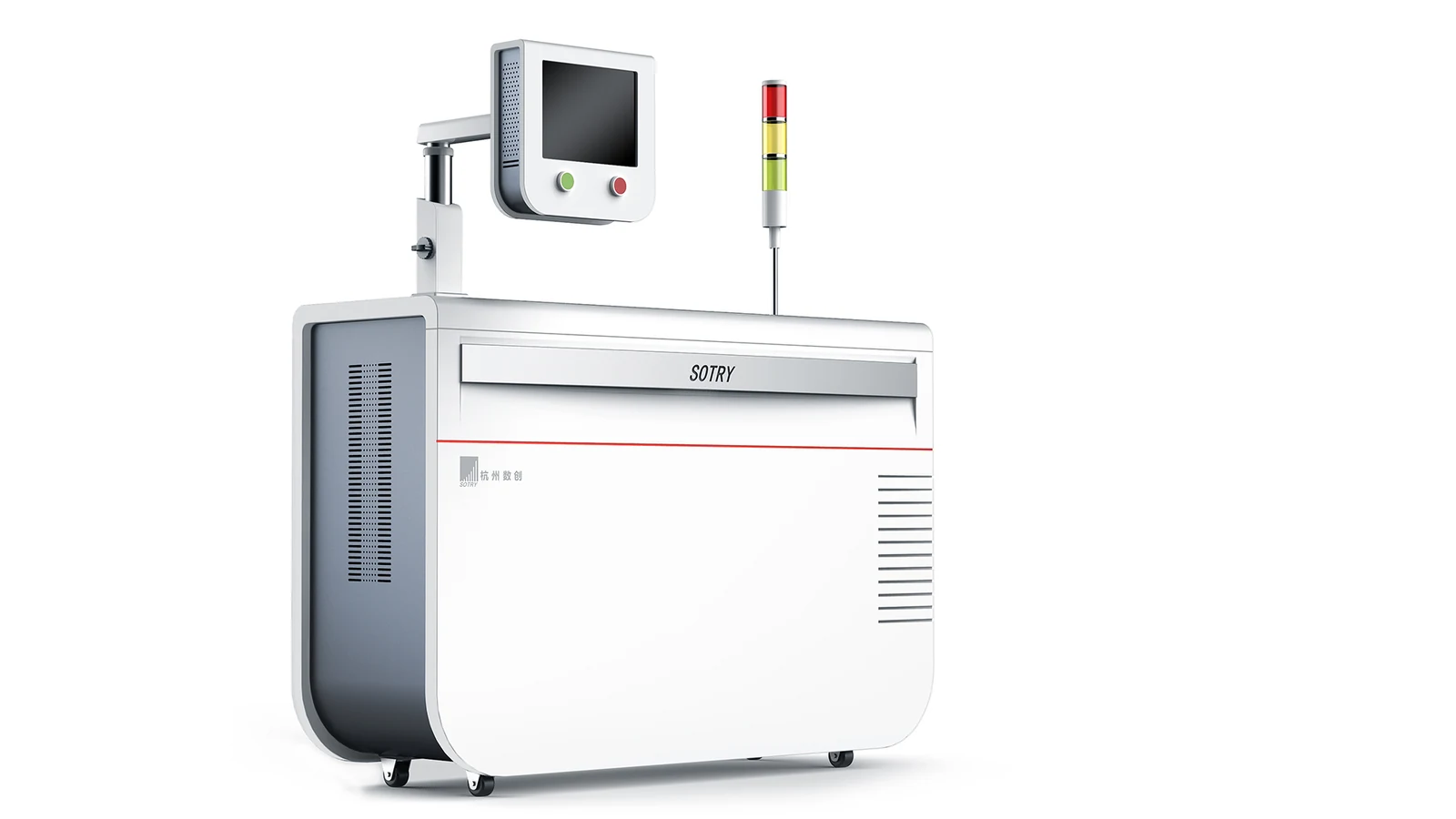
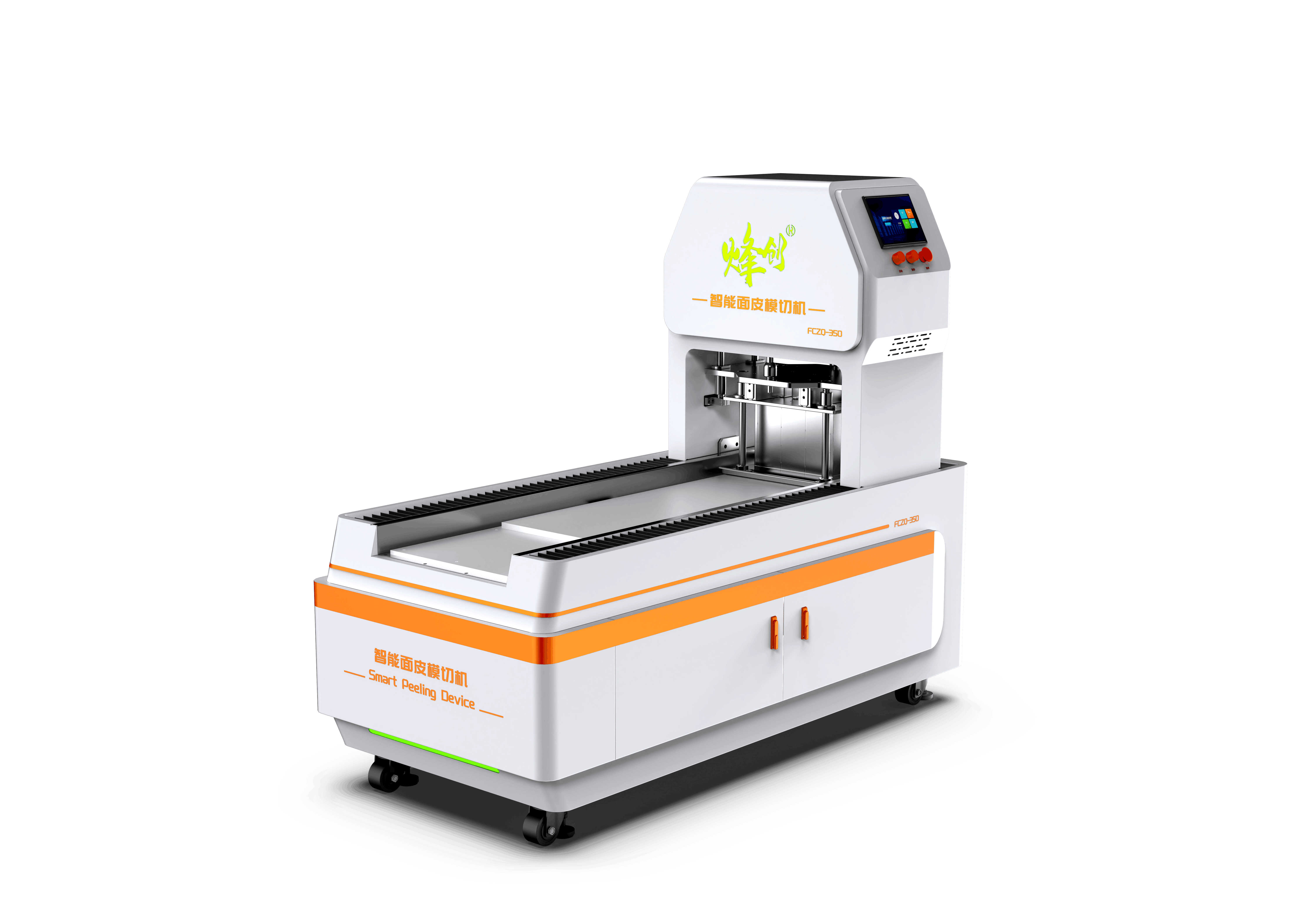
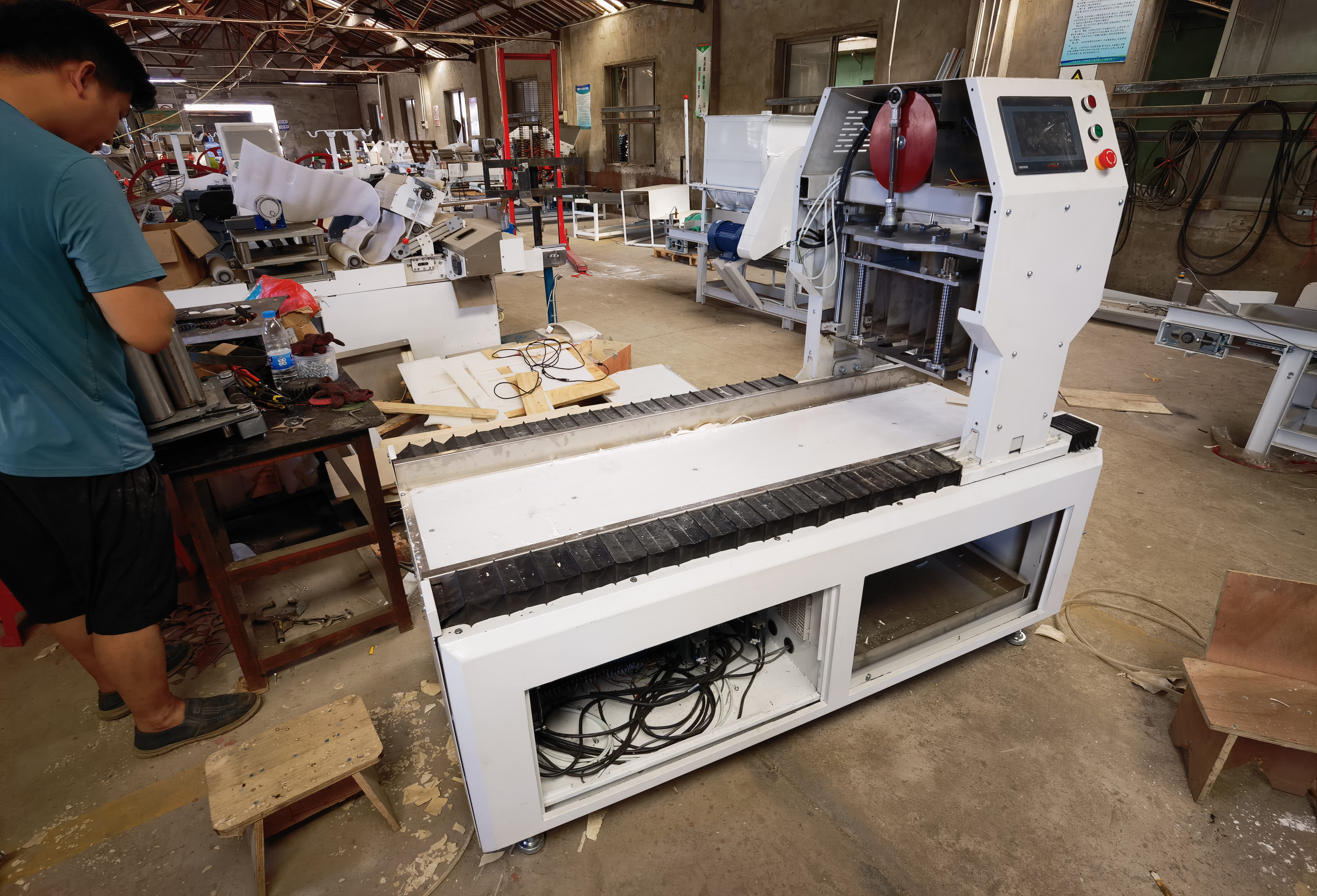
The existing sludge drying equipment failed to fully align with current market demands and contemporary aesthetic preferences. The client commissioned the industrial design team of Shuizheid Industrial Design, a subsidiary of Hangzhou Tiangeng Technology Co., Ltd., to carry out a comprehensive exterior design upgrade.
By restructuring the product’s visual language, optimizing its proportions and form, and refining the color scheme, the design breaks away from the stereotypical appearance of traditional industrial equipment. The result is a new exterior that better reflects contemporary aesthetics and market expectations, redefining the visual identity of the sludge drying line.
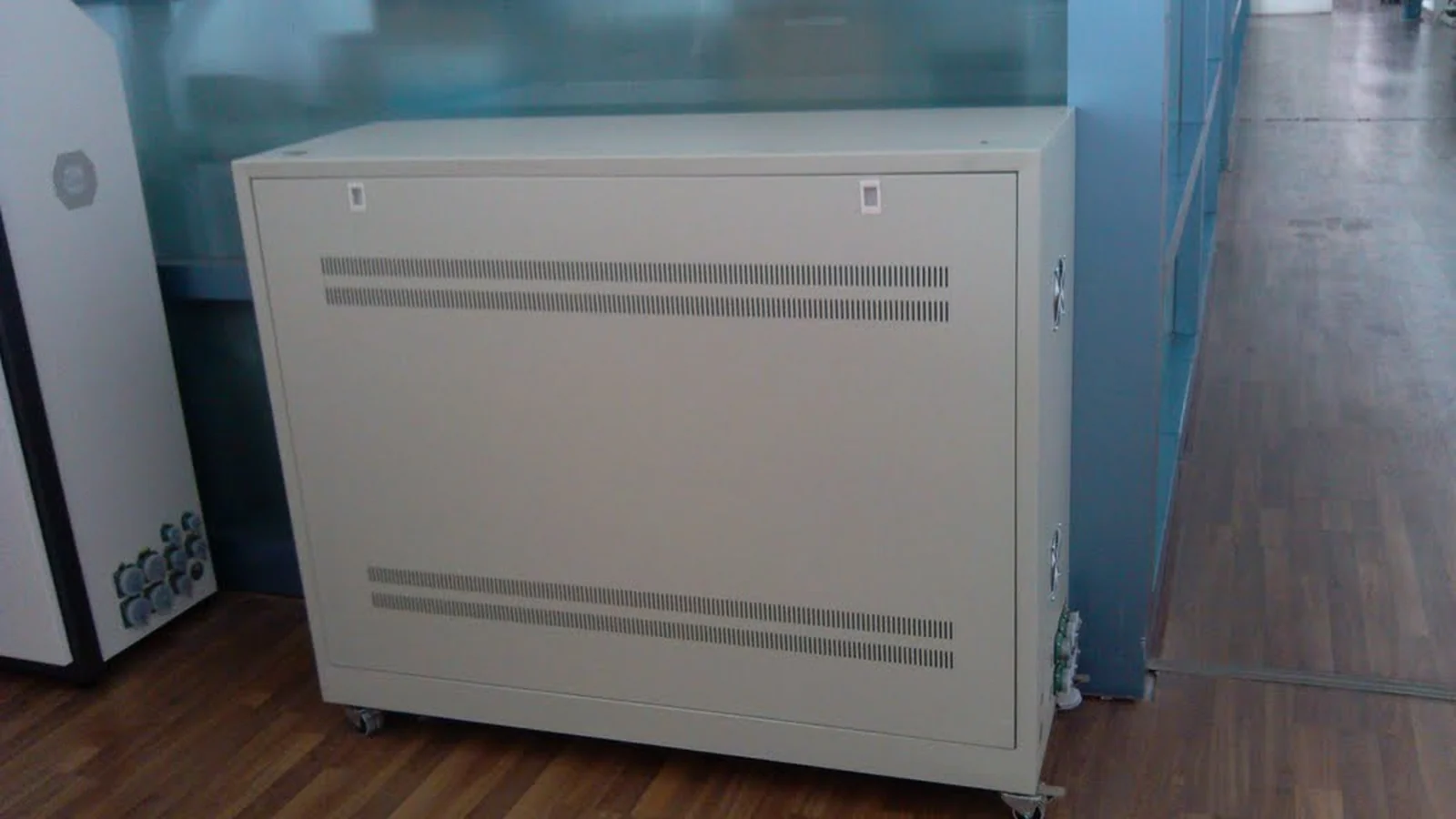
The original equipment had several key issues:
1. Form & Layout
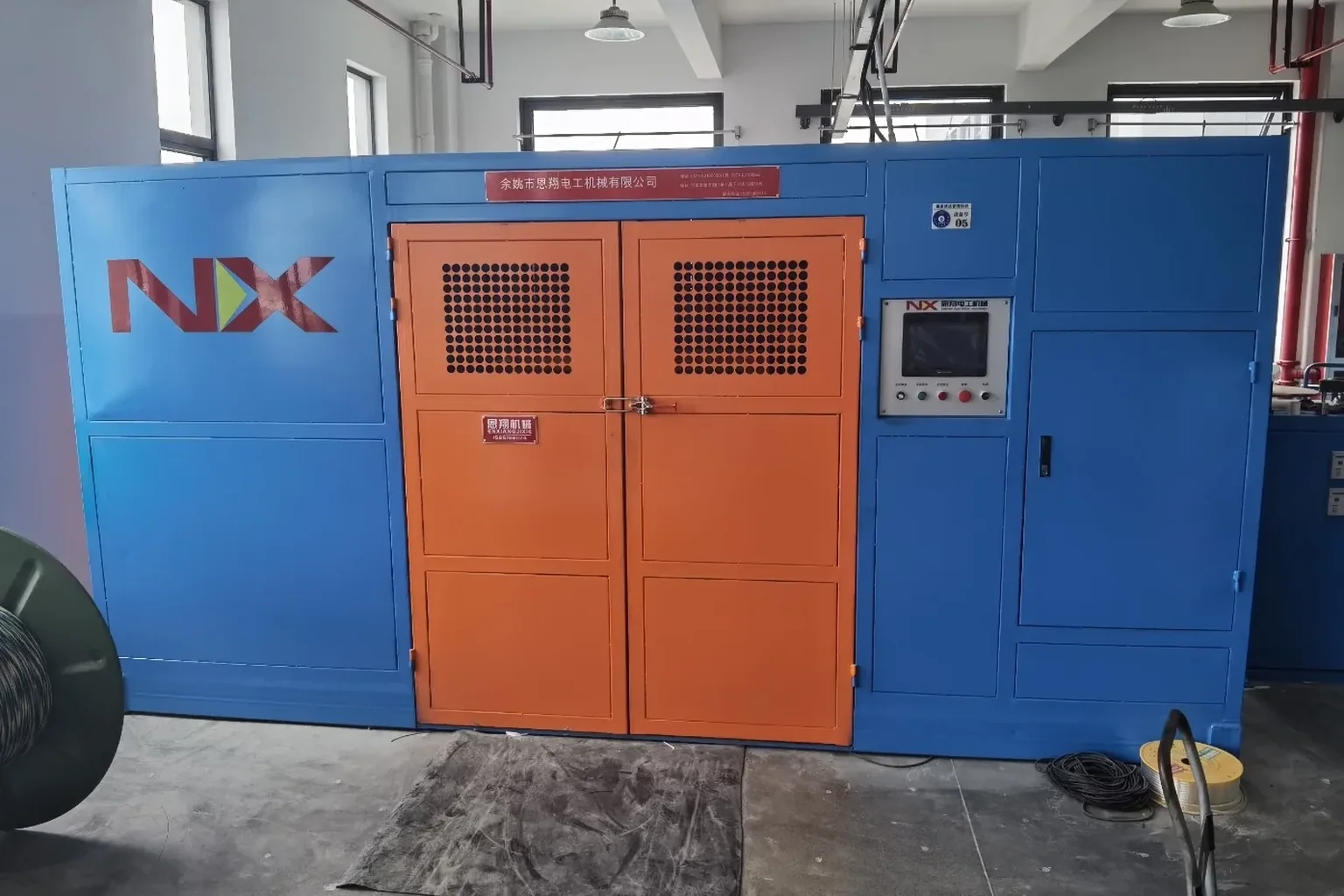
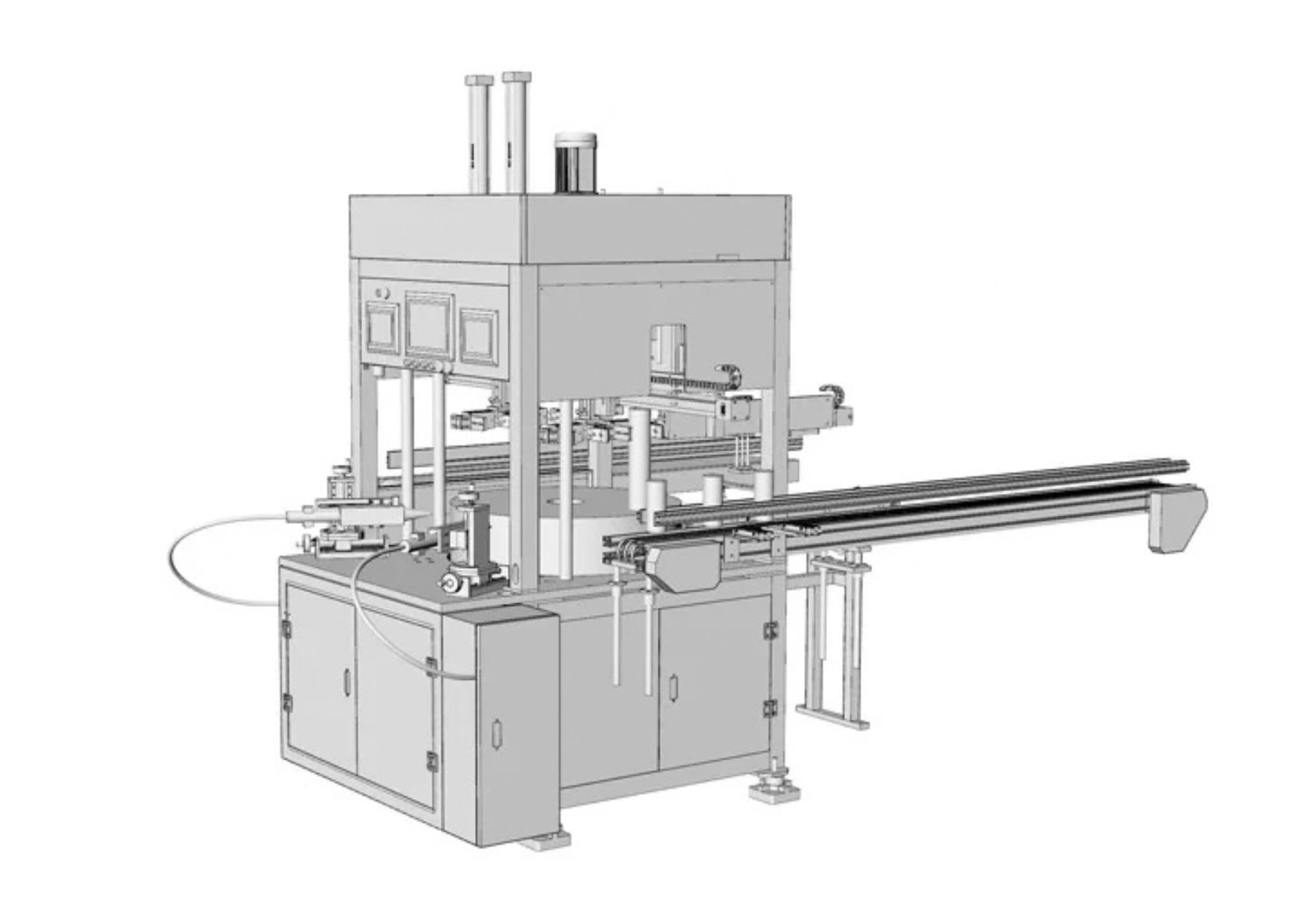
The individual modules appeared rigidly assembled, lacking a unified design language. The overall structure looked fragmented and visually cluttered. Connections between the control cabinet, main body, and conveying system were abrupt, with insufficient transitions between forms and lines, resulting in a noticeably disconnected appearance.
2. Color Scheme
The original color scheme lacked visual hierarchy. The excessive use of bright red appeared visually intrusive and inconsistent with the clean, sophisticated aesthetic expected of modern industrial equipment. It also failed to convey a strong sense of professionalism and product quality.
3. Detail Treatment
Exposed pipes, frames, and other functional components lacked aesthetic integration. Safety railings and protective structures were relatively simple and coarse, while the typography and signage lacked visual character. Overall, the equipment appeared “industrial, but not refined,” making it difficult to meet today's market expectations for sophistication and design quality.
Based on the “Three-Good Design” philosophy — Good to Use, Good Looking, and Good to Manufacture — together with the “Far–Near–Zero” evaluation system, the Shuizheid design team carried out a comprehensive exterior redesign.
1. Enhanced Exterior Quality
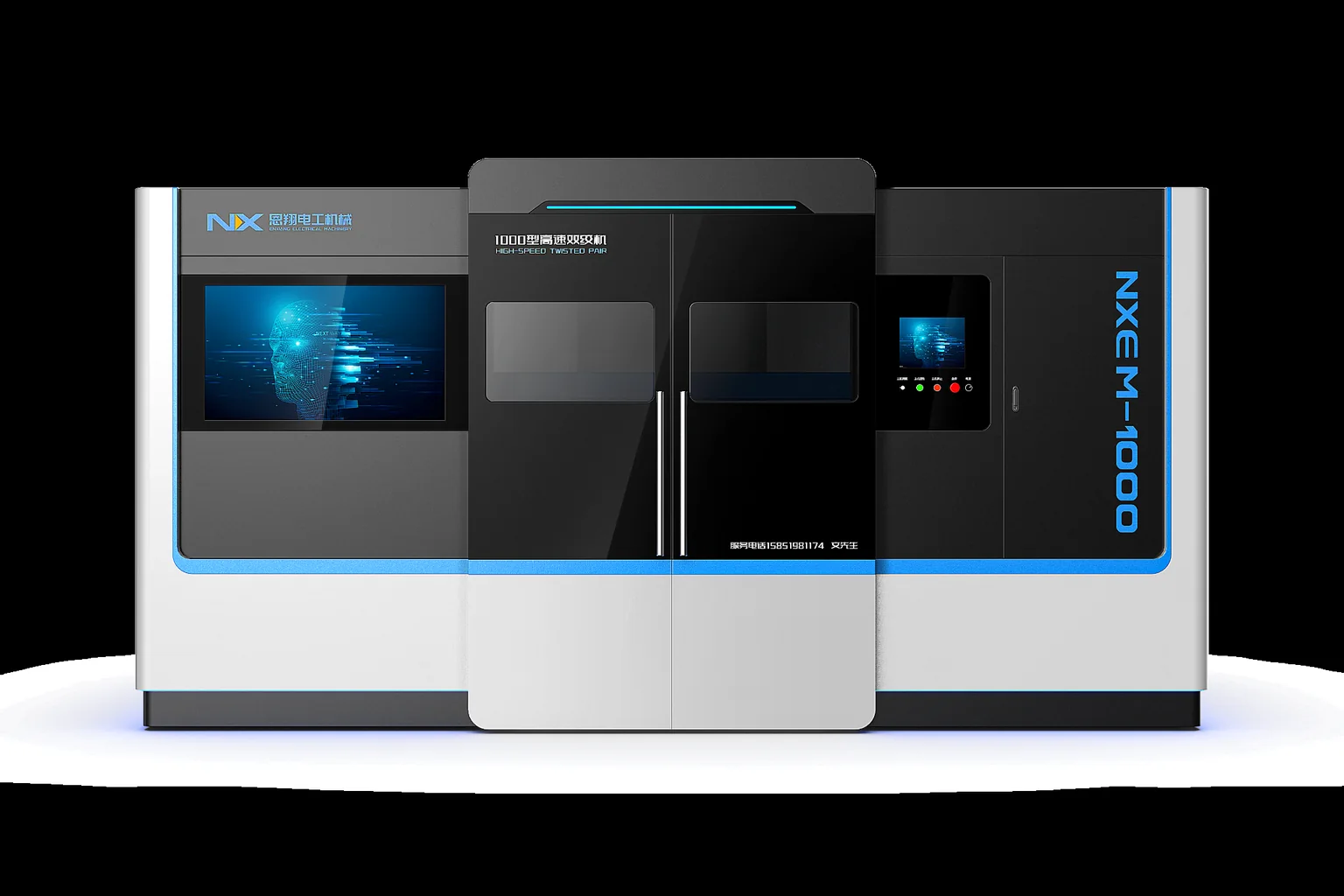
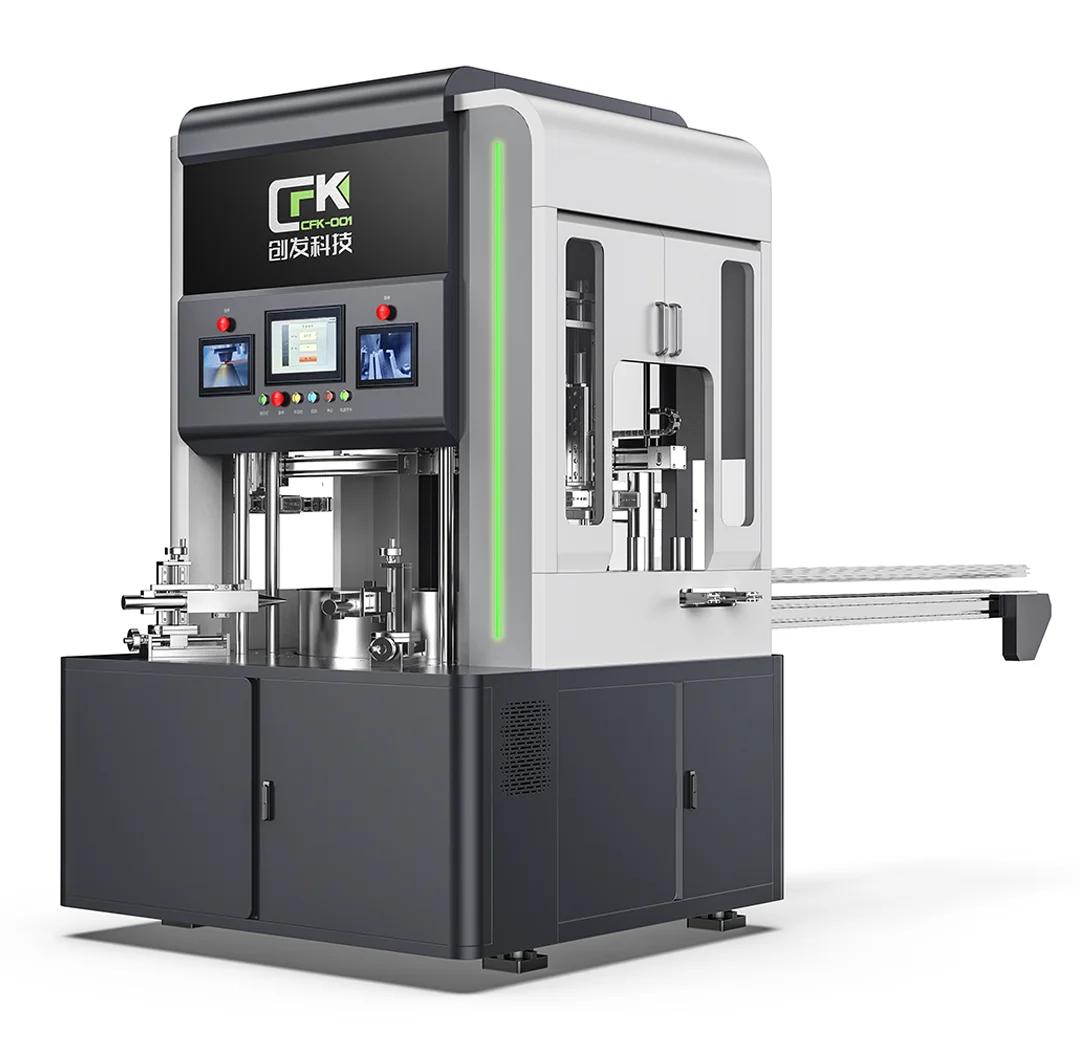
An integrated body design eliminates the fragmented appearance. A black-and-gray primary color scheme is combined with light silver-gray panels and green accent lines. Clean, decisive lines and well-balanced proportions create a stable and sophisticated appearance, combining the rugged character of industrial equipment with a more refined, contemporary aesthetic.
2. Increased Market Competitiveness
Through the “Three-Good Design” approach, the Shuizheid industrial design team redefined the product's visual identity. The enhanced sense of technology and professionalism better aligns with the market's growing demand for high-end industrial equipment, helping the product establish stronger visual differentiation and attract greater customer attention.
3. Alignment with Contemporary Aesthetics
Refined corner treatments, curved surfaces, and intersecting diagonal lines create a more dynamic and sophisticated visual language. The overall clean and powerful styling follows contemporary industrial design trends, meeting expectations for attractive and refined equipment while communicating the brand's design capability and technical expertise.
4. Stronger Brand Recognition
Clearly defined brand display areas and distinctive visual elements transform the equipment into a carrier of corporate identity. The design creates recognizable visual cues in the market, helping communicate and enhance the brand's value.
The results and value of the redesign can be summarized across four dimensions: exterior quality, market competitiveness, brand value, and user experience.
1. Exterior Quality: Advancing Industrial Aesthetics
The integrated body design eliminates the fragmented appearance. A black-and-gray primary color scheme, combined with light silver-gray panels and teal-green accent lines, creates clean lines and balanced proportions. The equipment is transformed from the “rough form” of a conventional industrial tool into a refined industrial product that combines technological sophistication with visual quality, achieving a significant improvement in perceived value.
2. Market Competitiveness: Breaking Through Homogeneous Competition
In an industrial equipment market characterized by increasing product homogeneity, a highly distinctive exterior design creates a visual competitive barrier. The redesigned equipment becomes more attractive in scenarios such as tendering, exhibitions, and customer visits, helping the company move from price-based competition toward value-based competition and supporting market expansion.
3. Brand Value: Strengthening Brand Image & Communication
The clearly defined brand identity — “Caiyun Machinery CY-HT100” — together with distinctive visual elements such as the teal-green accent lines and branded graphic details, turns the equipment into a mobile brand communication platform. Whether installed in factories or displayed at industry exhibitions, the equipment continuously communicates the brand's design capability + technical expertise, helping the company evolve from an equipment supplier toward a benchmark for industrial design.
4. User Experience: Upgrading Both Function and Perception
From a human-machine interaction perspective, the integrated touchscreen interface and LED status lighting make operation more intuitive and convenient. At the same time, the refined exterior improves the overall visual quality of the working environment. The value of the equipment therefore extends beyond “tool usage” to encompass both corporate image and employee experience, strengthening users' recognition of and connection with the brand.