CASE STUDY
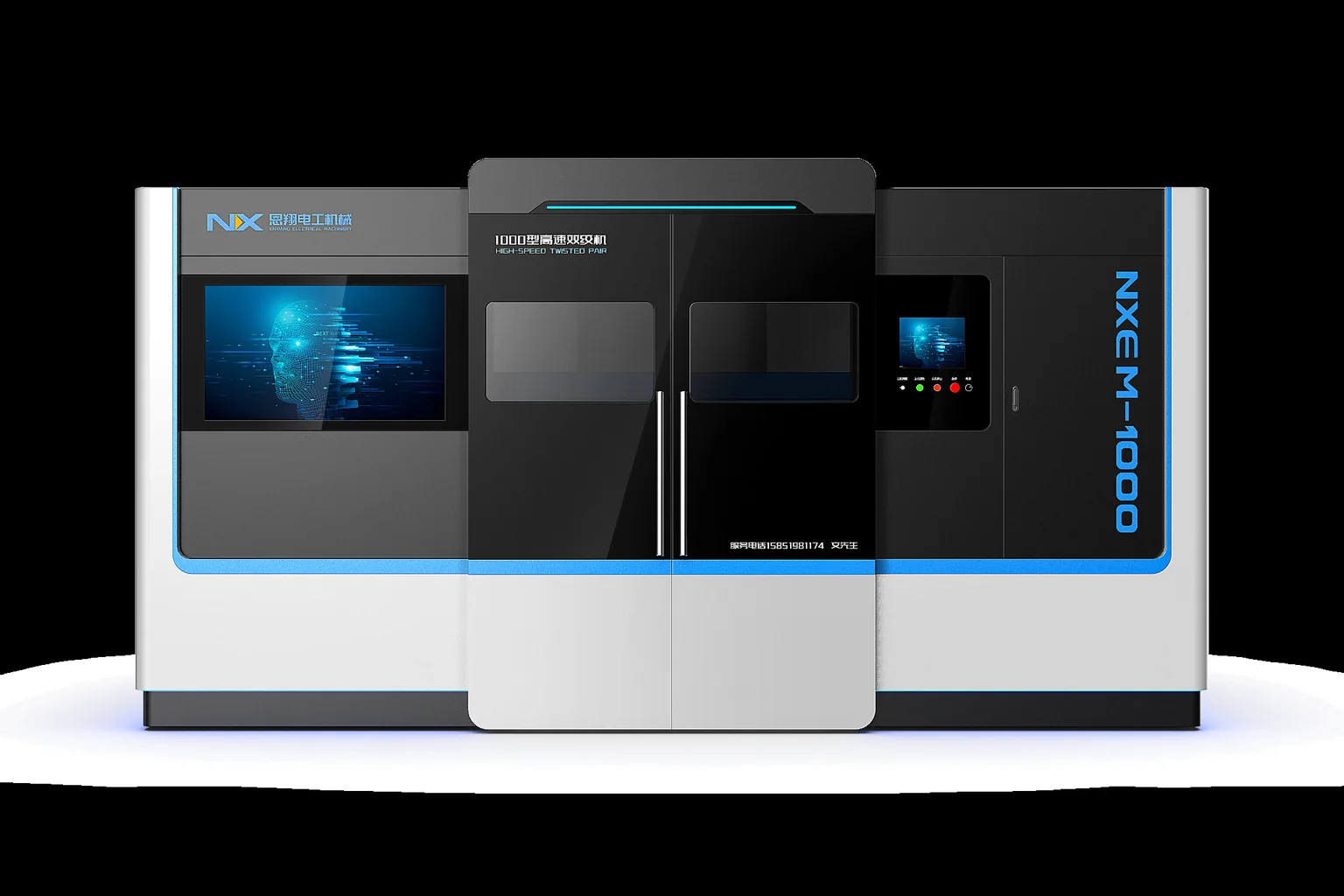
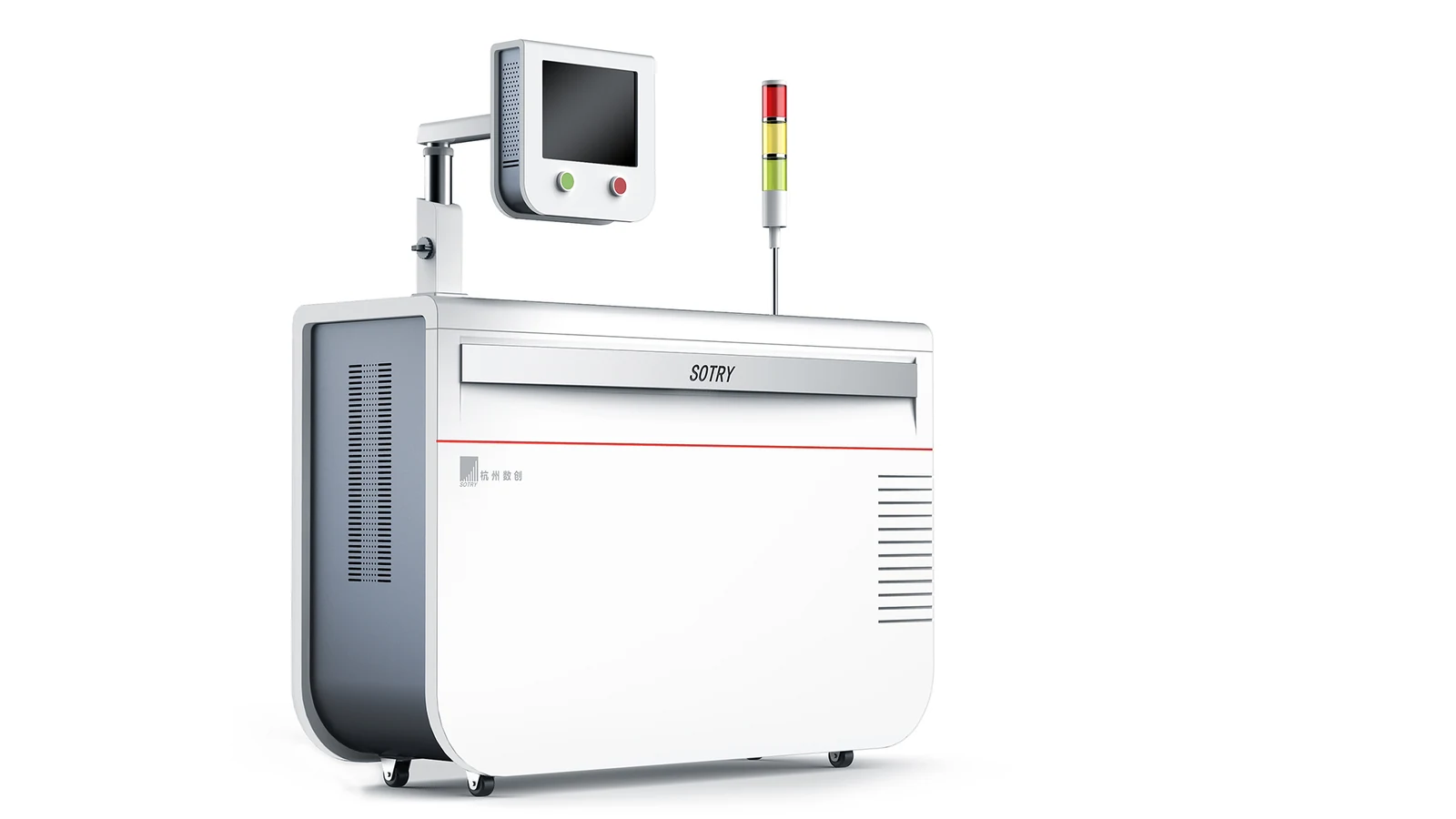
A Skin Stamping and Cutting Machine device redesigned to improve product identity, user experience, and manufacturing quality through systematic industrial design.
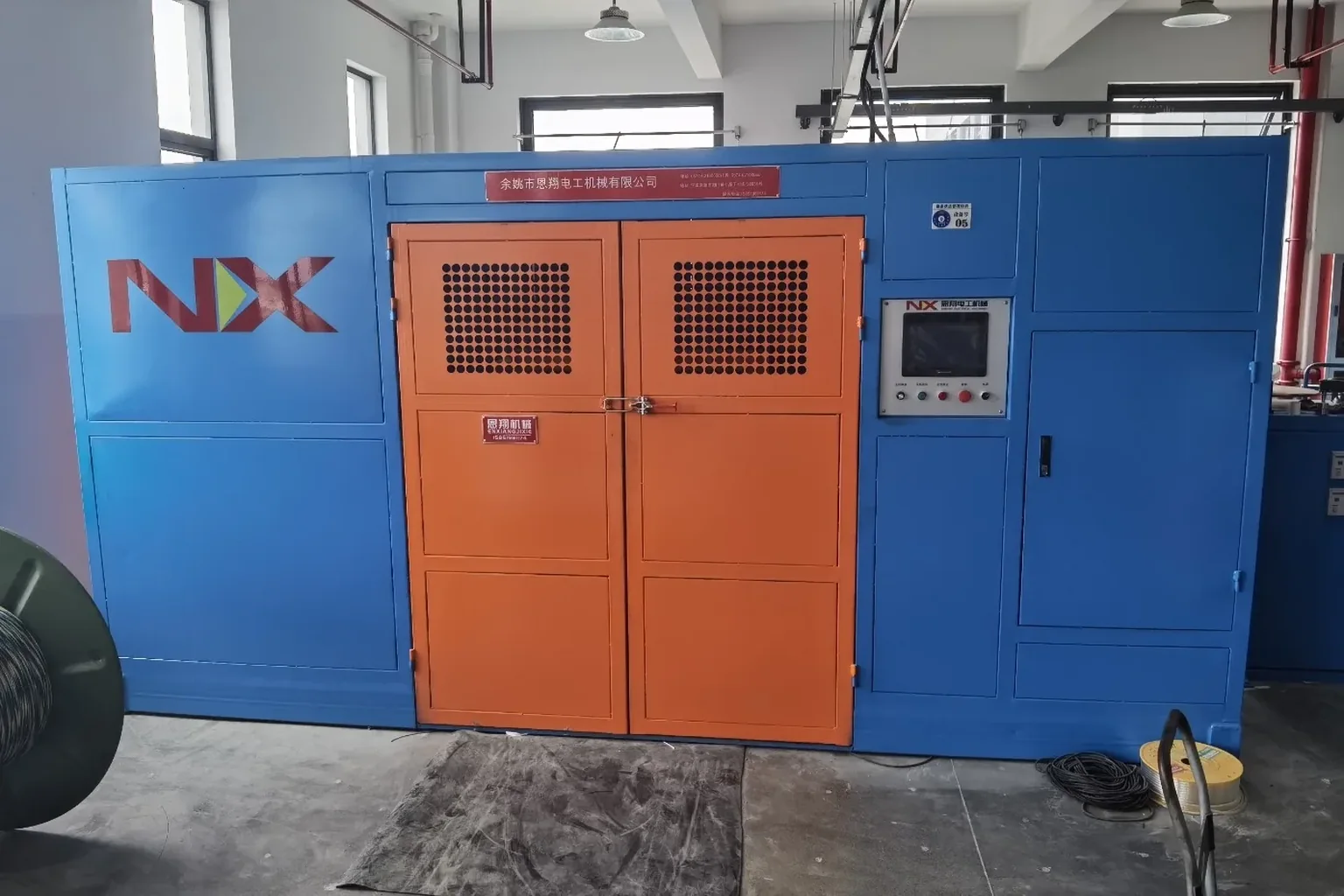
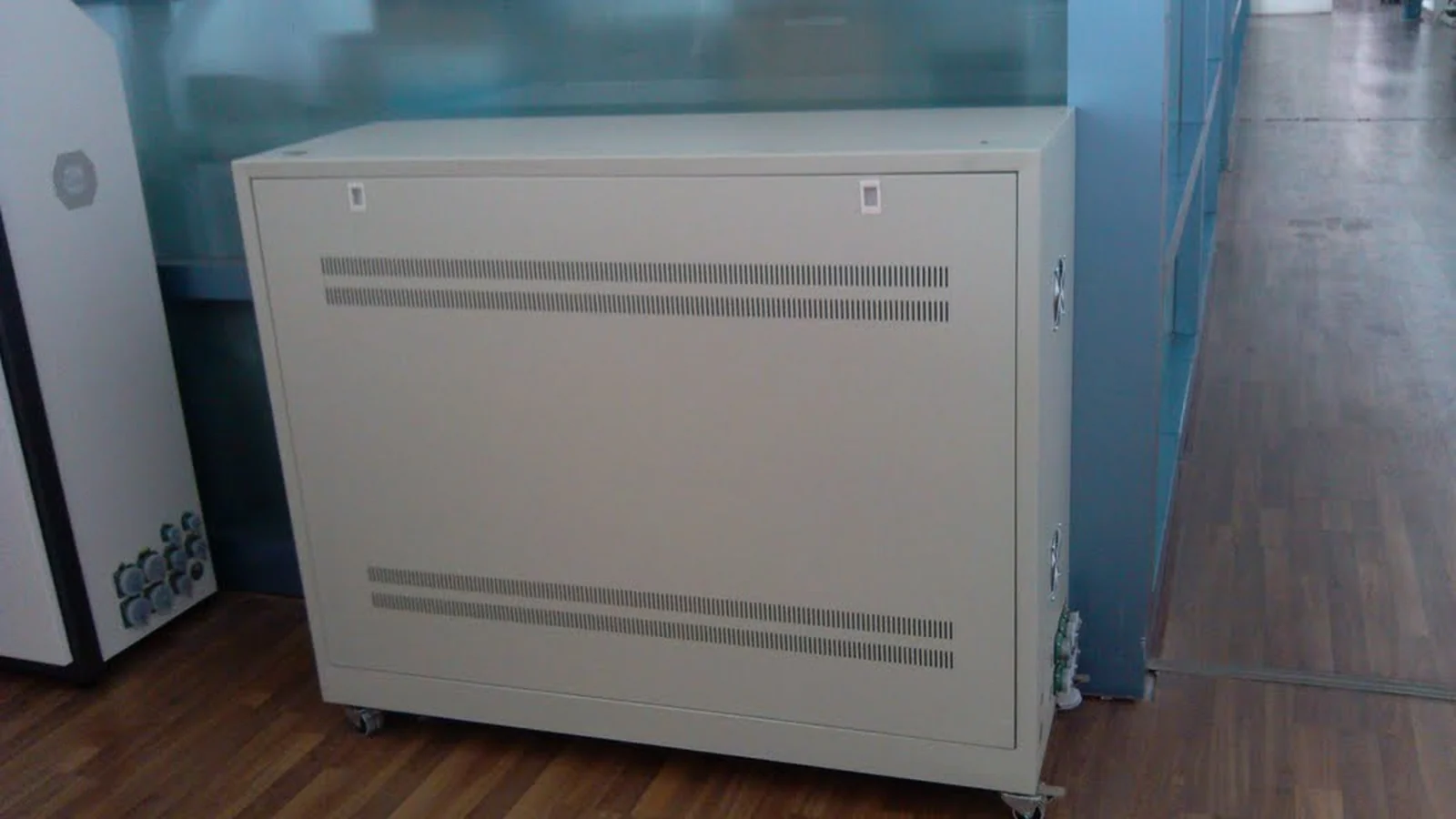
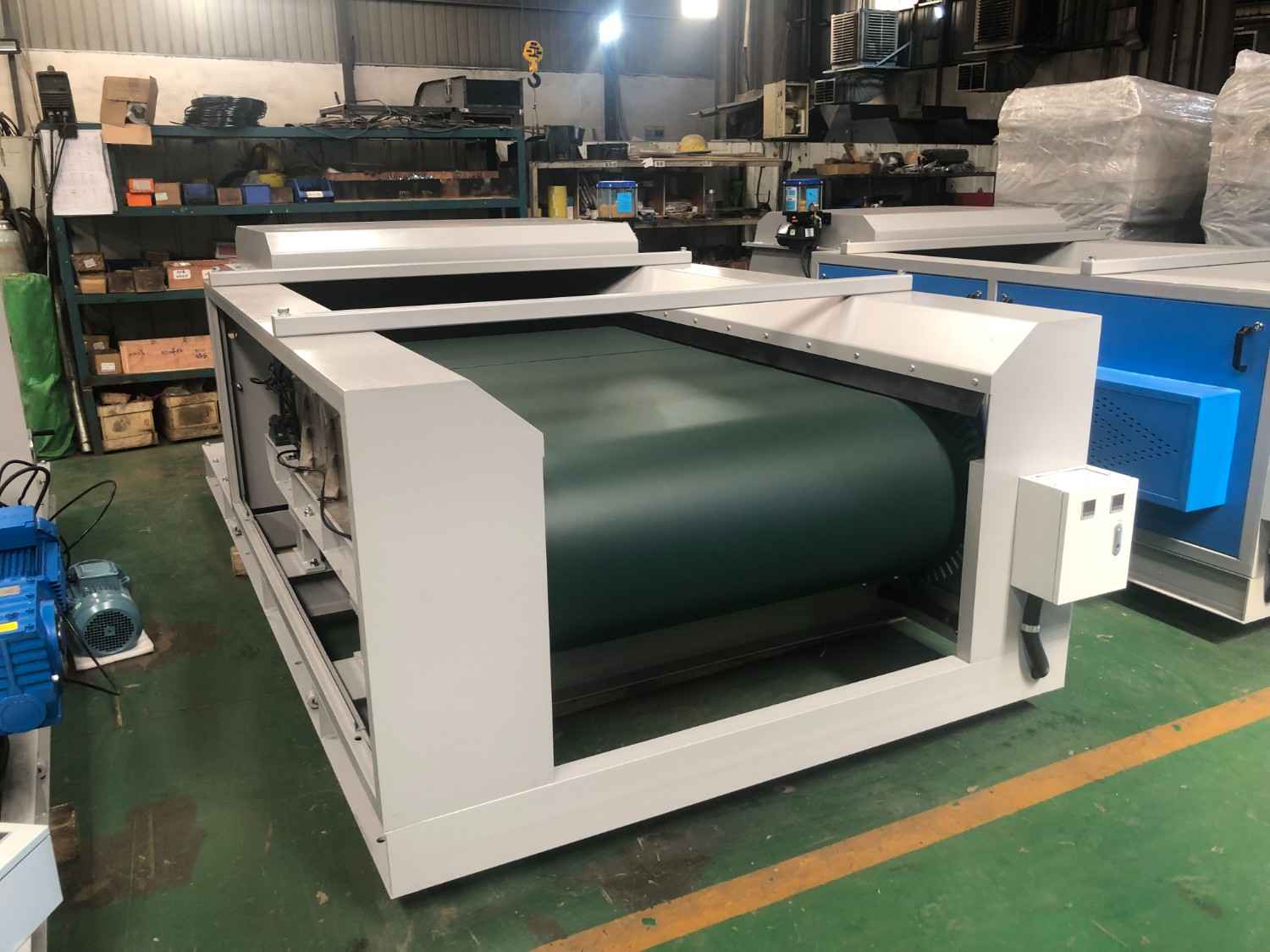
The client’s original equipment had achieved functional requirements and production objectives, but the product expression was limited by its existing appearance structure.
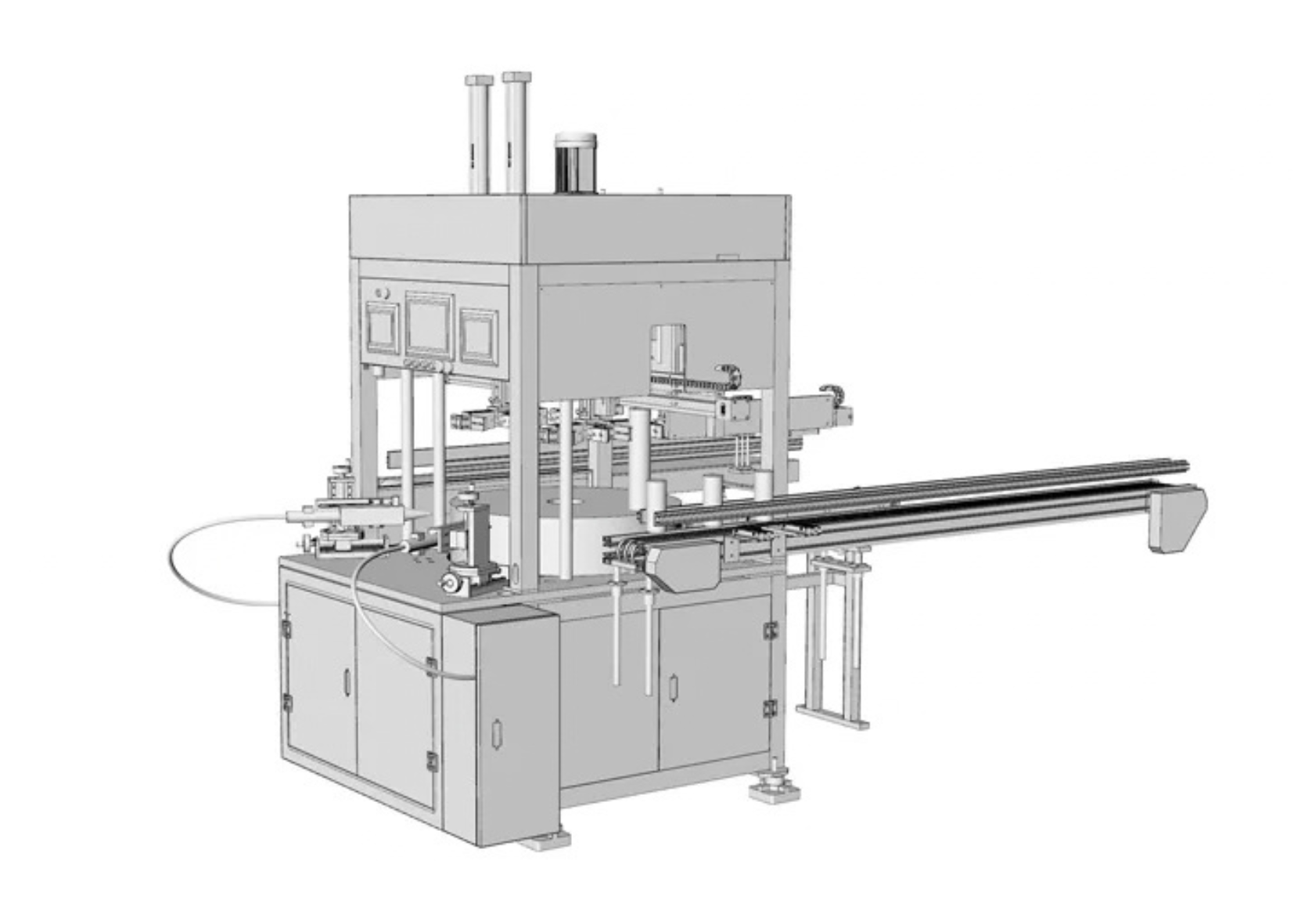
As a professional industrial machine, the equipment contained complex functional modules, mechanical structures, and electrical systems. However, these elements were not effectively organized into a unified product identity.
The original design presented several challenges:
Although the machine was capable of performing its industrial tasks, its appearance did not fully communicate the company’s engineering capability, manufacturing quality, and professional positioning.
Based on the EQPIDM, we focused on transforming the equipment from a functional machine into a complete industrial product with clear identity, improved experience, and stronger brand value.
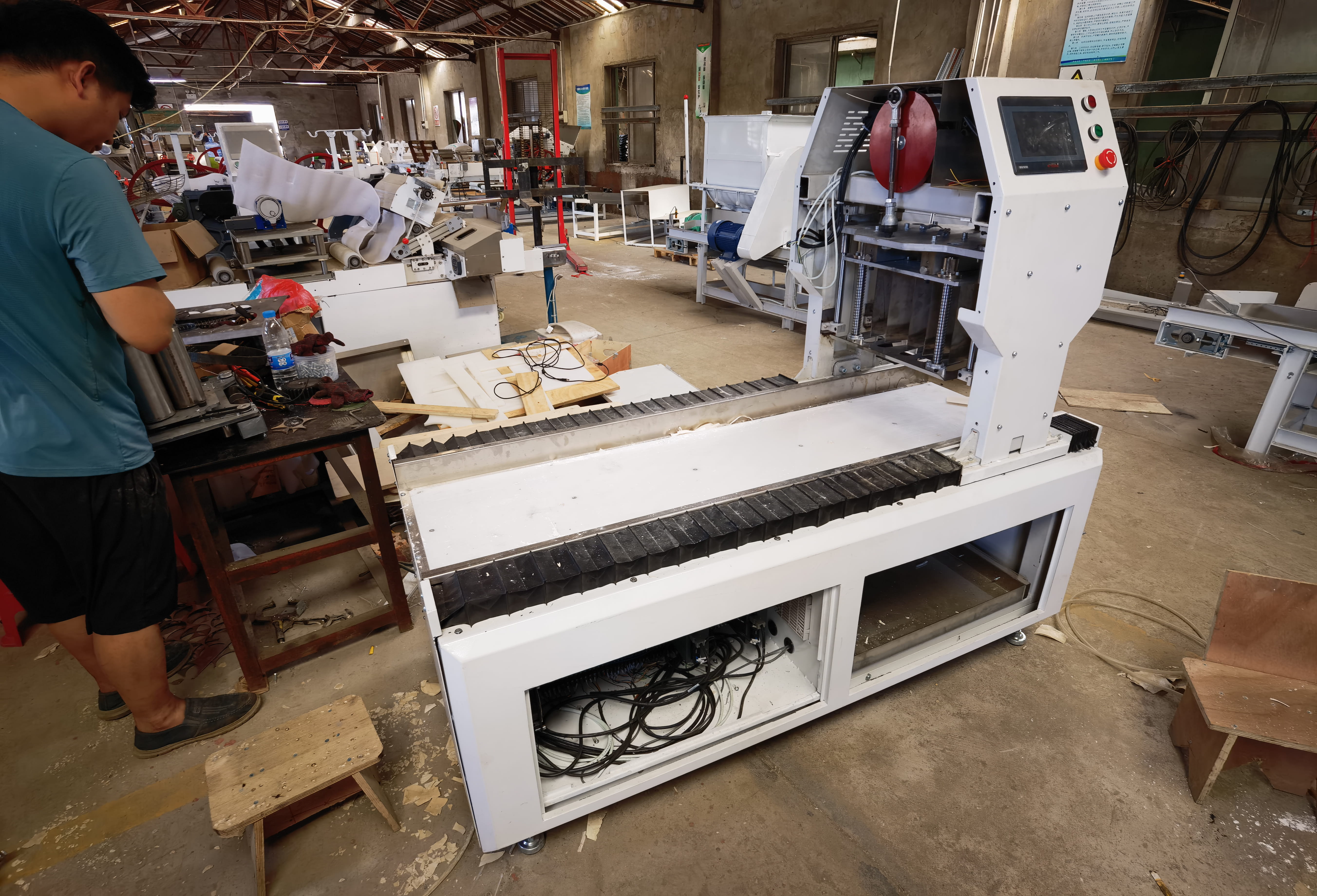
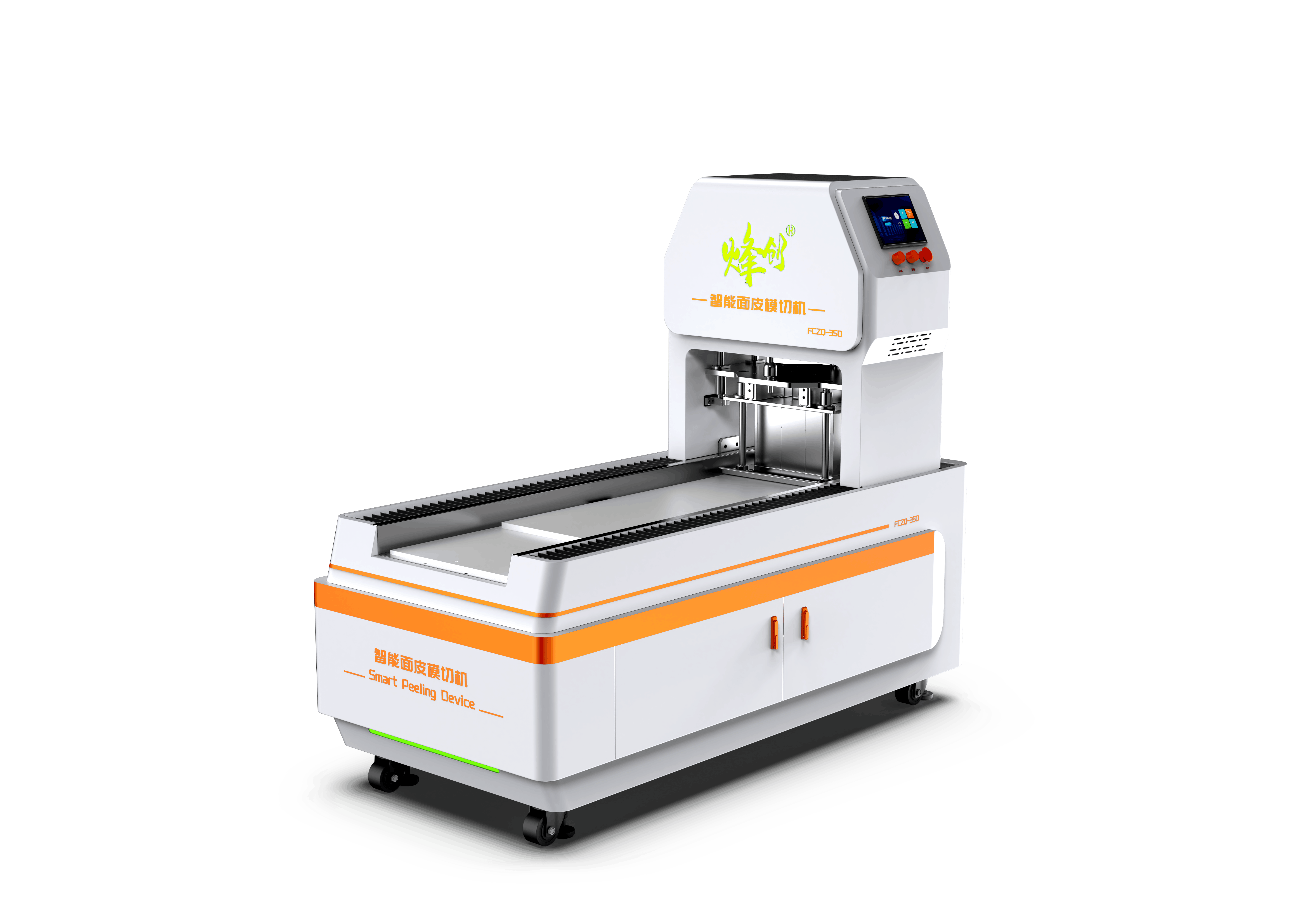
The original equipment was mainly organized around functional requirements, resulting in a fragmented visual appearance.
Through systematic design analysis, we reorganized the overall product architecture:
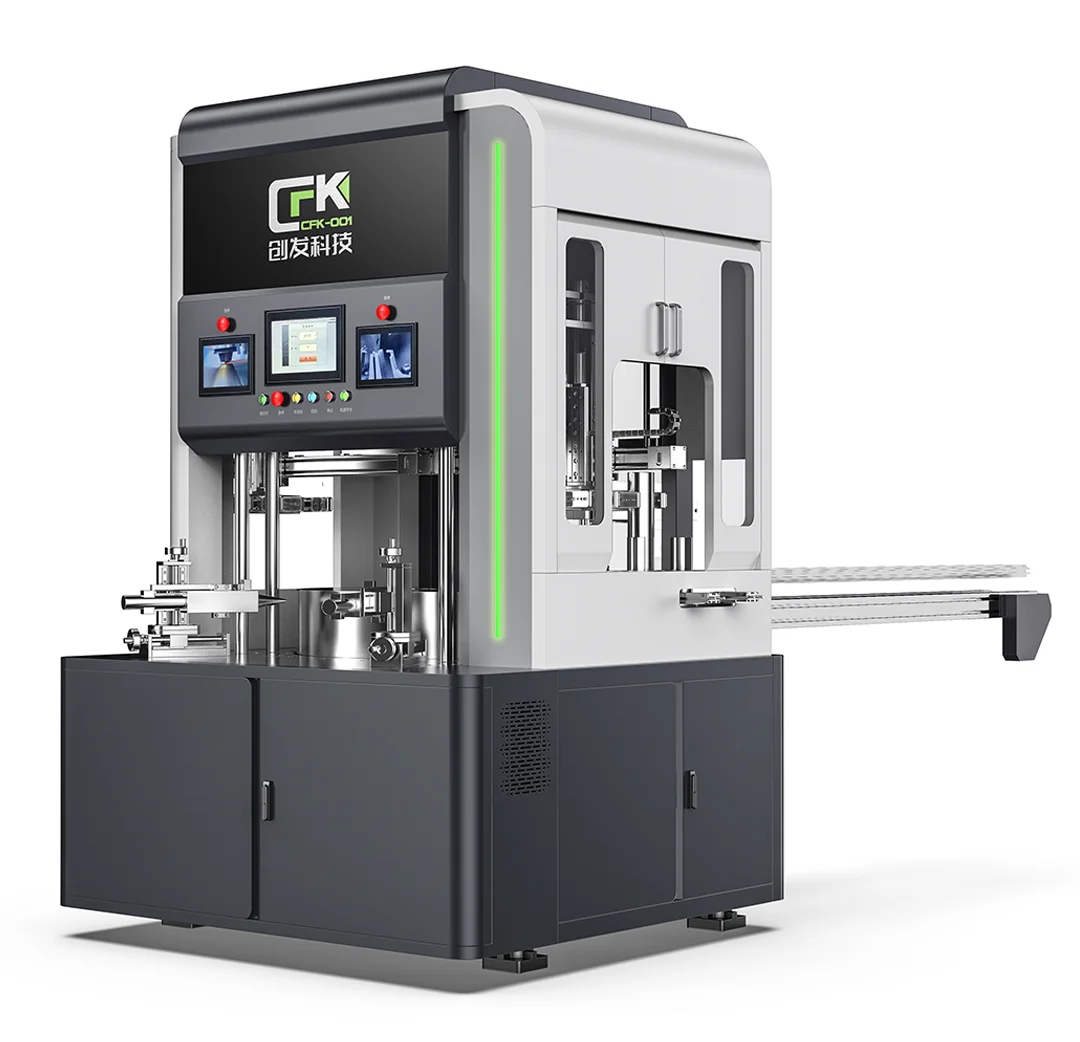
The redesigned equipment presents a stronger and more professional identity, allowing users to recognize the product value beyond its basic functions.
In industrial equipment, appearance is not only about aesthetics — it is also a direct reflection of engineering capability and manufacturing standards.
The redesign optimized:
The simplified and refined exterior reduces visual complexity while enhancing precision, reliability, and premium industrial perception.
The equipment now communicates a stronger impression of:
Professional · Precise · Reliable · Efficient
The original equipment lacked a clear visual connection between operation, processing area, and machine structure.
The redesign improved user understanding through:
The equipment becomes easier to understand and operate, reducing unnecessary cognitive effort during daily use.
The design process considered real manufacturing conditions from the beginning.
By balancing visual goals with engineering requirements, we optimized:
The final solution maintains design quality while ensuring practical manufacturing implementation.
Through systematic industrial design intervention, the equipment achieved improvements across appearance, experience, and brand expression.
The redesigned equipment no longer functions only as a production tool.
It becomes a visible representation of the company’s:
By transforming internal capabilities into a clear product expression, the equipment helps customers better understand and trust the value behind the brand.
Design Philosophy
A successful industrial equipment redesign is not simply about making a machine look better.
It is about transforming engineering capability into a product experience that customers can see, understand, and trust.