CASE STUDY
A high-speed twisted pair machine is redesigned with a unified enclosure architecture, clearer functional zones, restrained CMF and a stronger equipment identity while respecting the existing engineering layout.
EQPID redesigned the exterior of the 1000 High-Speed Twisted Pair Machine for Yuyao Enxiang Electrical Machinery Co., Ltd., transforming a conventional engineering-led enclosure into a more integrated and recognizable industrial product.
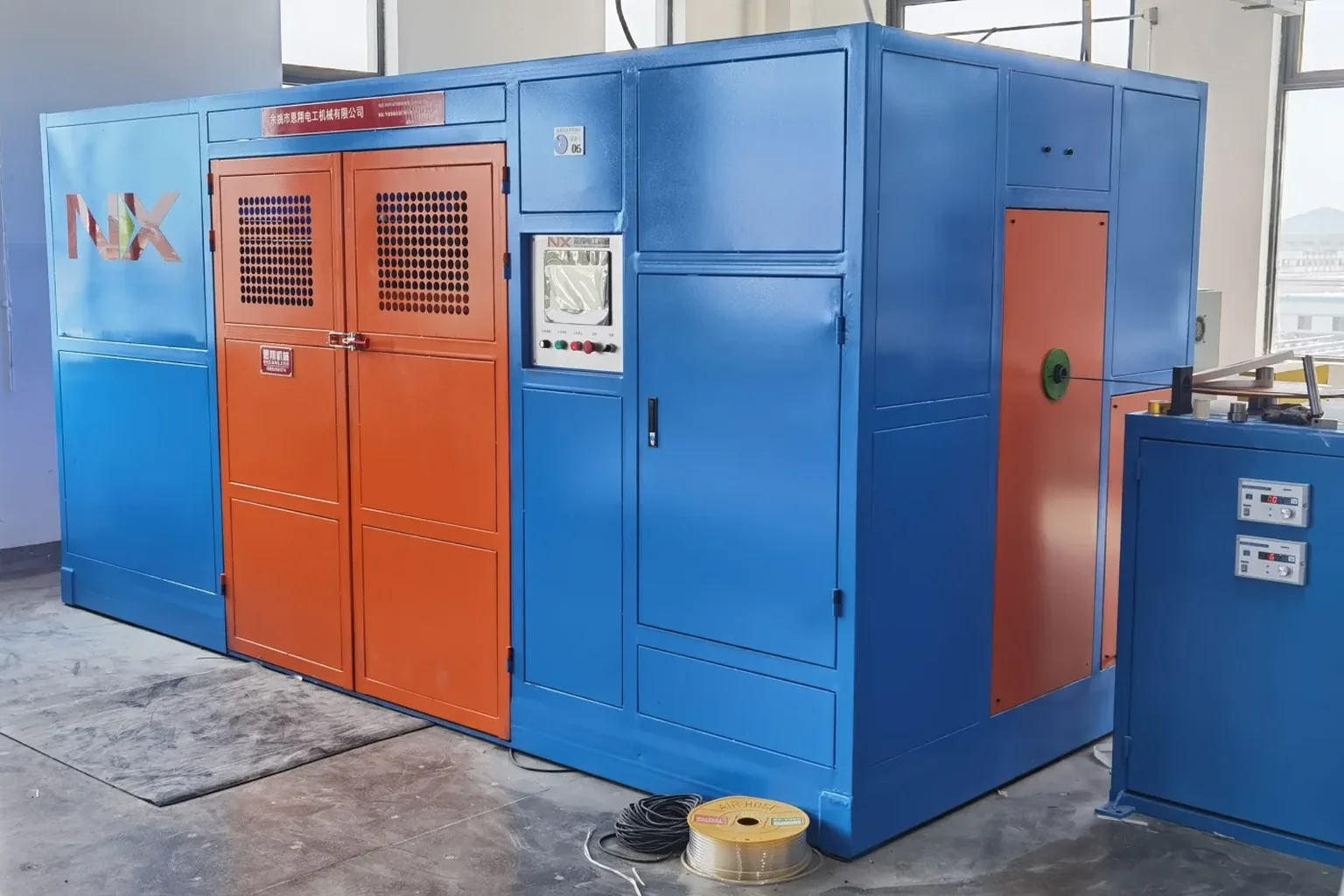
The original machine already had an established mechanical architecture and operating logic. However, its blue-and-orange enclosure, numerous panel divisions and independently expressed functional modules created a visually fragmented appearance. The exterior did not fully communicate the professional engineering and manufacturing capability behind the equipment.
The redesign focused on reorganizing the machine’s visual hierarchy without departing from its real operating, maintenance and manufacturing requirements. Overall form, functional zones, CMF, product information and brand expression were brought into one coherent equipment language.
For wire and cable production machinery, performance, stability and production efficiency remain fundamental. At the same time, large industrial equipment is also a visible representation of a manufacturer’s engineering capability, production standards and professional image.
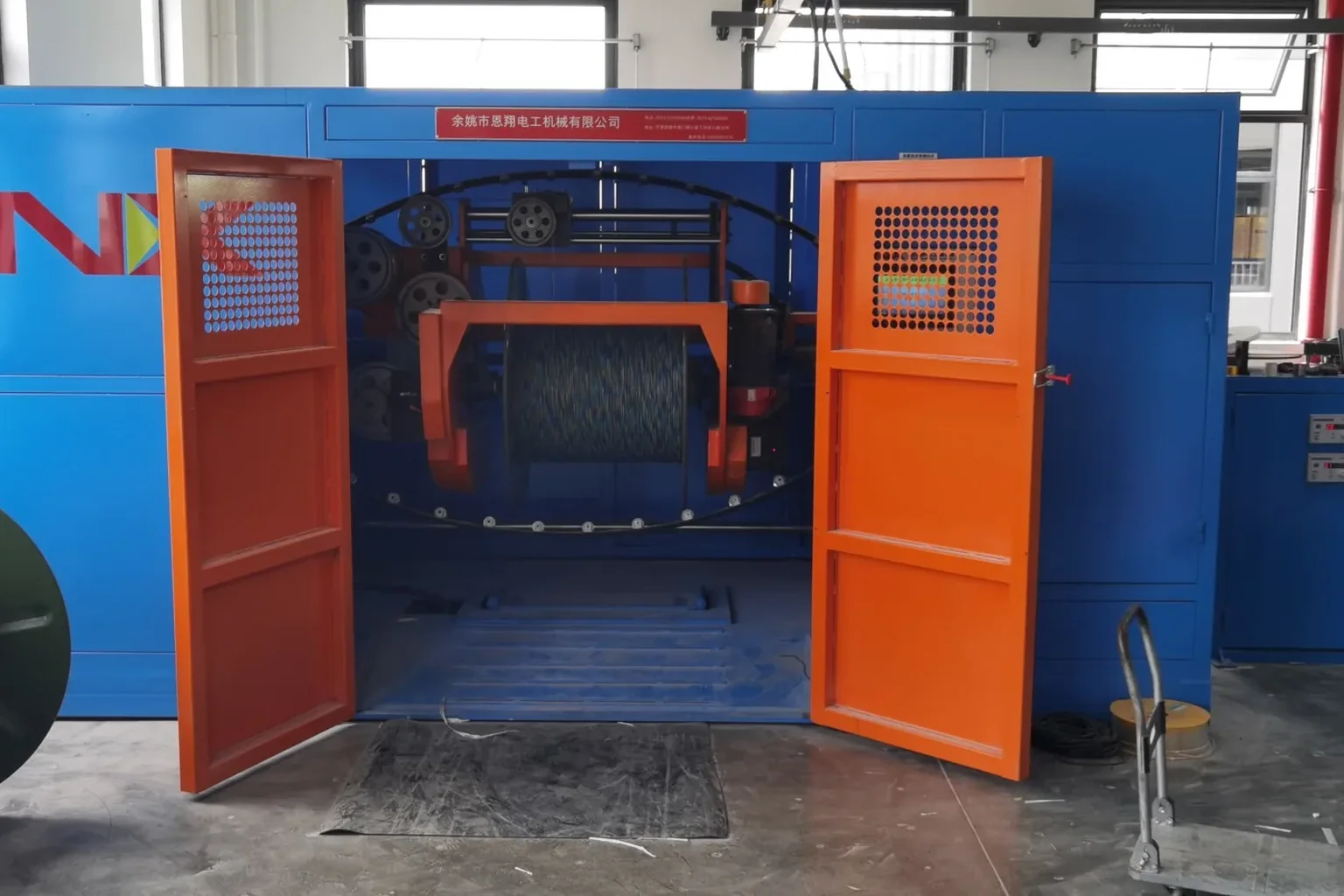
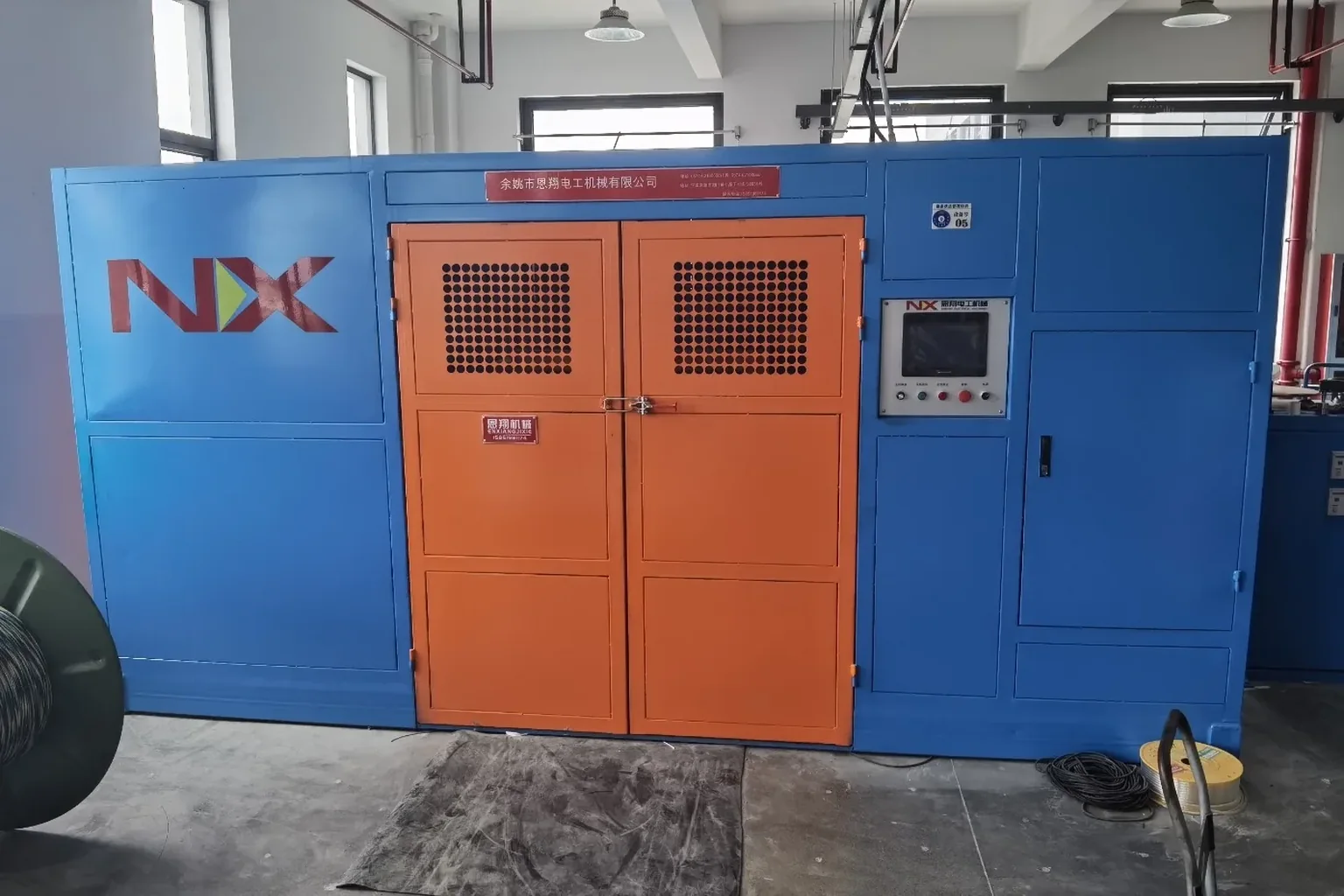
The original machine used a large blue sheet-metal enclosure with orange central access doors. The structure was direct and functional, but strong color contrast, multiple panel seams and separately expressed modules made the machine read more as an assembled engineering system than as a complete industrial product.
The design challenge was therefore not simply to make the machine look newer. It was to establish a clearer product order while respecting the existing equipment architecture.
Following EQPID’s principles of Good to Use, Good to Look At, and Good to Manufacture, the redesign establishes a new exterior system around the existing engineering architecture.
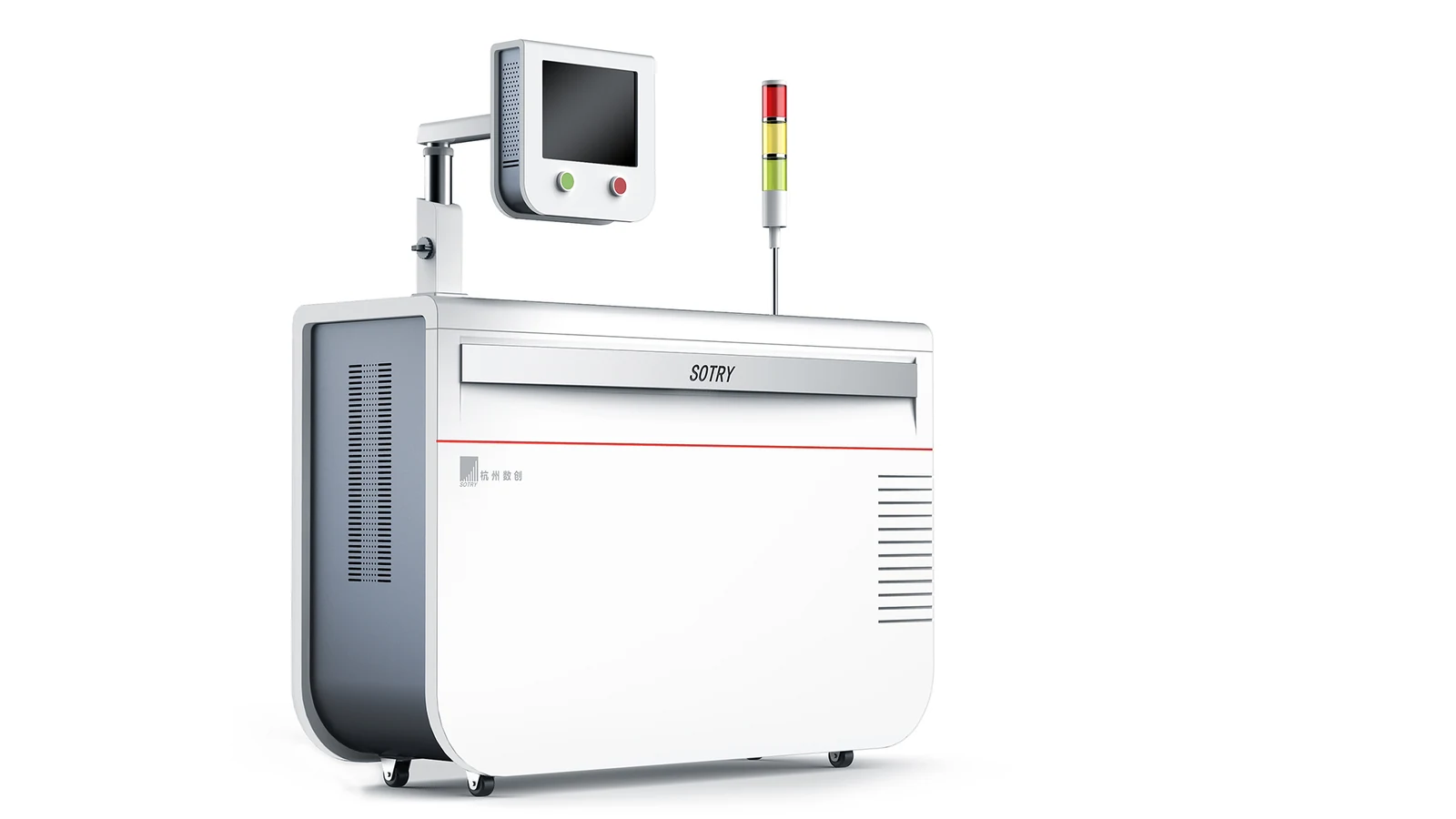
The machine uses a restrained composition of a light-colored main body, a dark functional zone and controlled blue accents. The light lower enclosure creates a stable visual base, while the dark upper area concentrates observation, operation, product information and brand communication into a continuous functional layer.
The central double-door module becomes the primary visual focus. Its projected volume, upper feature element, viewing windows and vertical handles emphasize both the main access point and the core working area. On both sides, displays, controls and product information are incorporated into the same visual system, replacing the previous impression of separate modules.
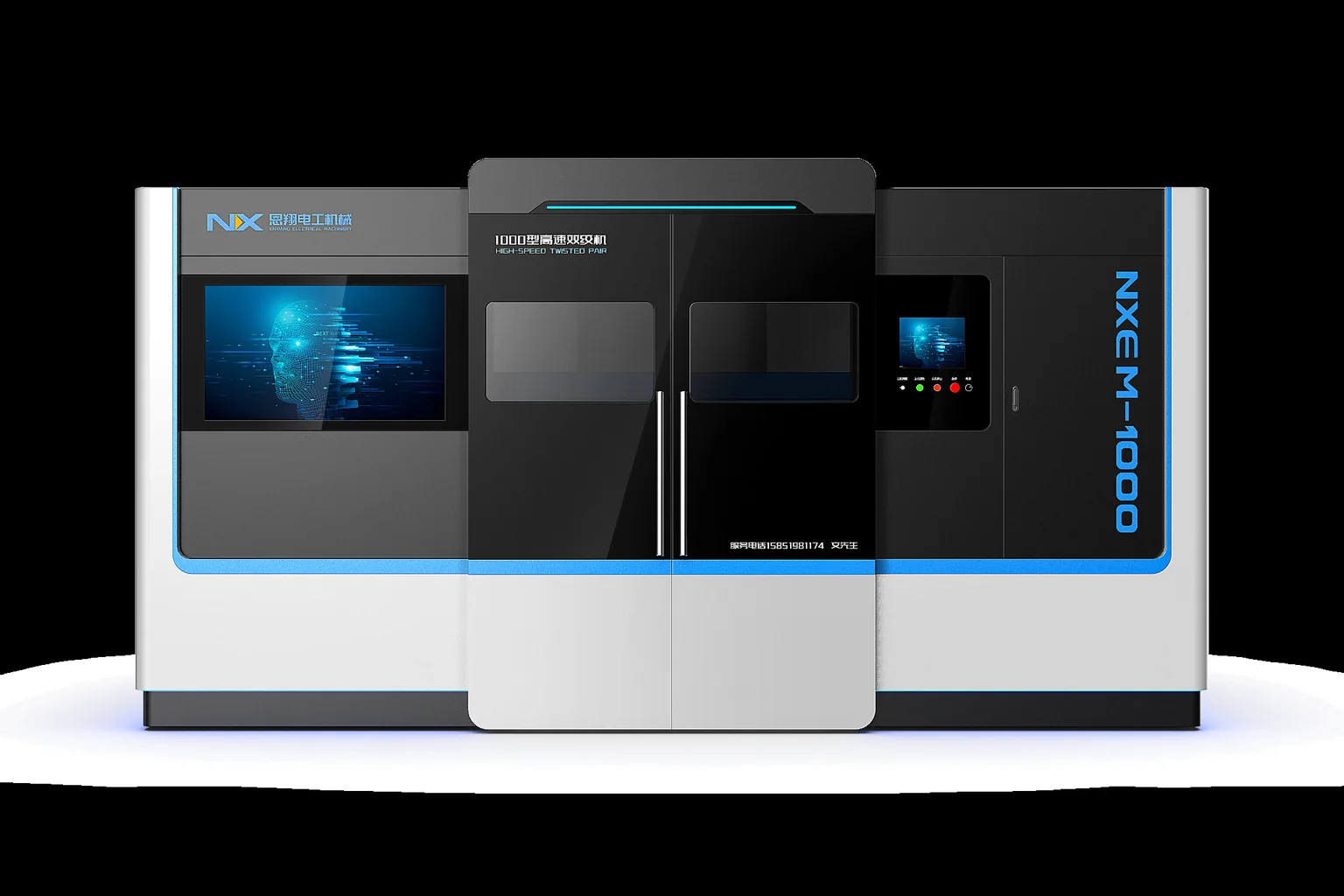
Rather than treating every sheet-metal panel as an independent styling element, the redesign considers the complete machine as one product.
A continuous dark functional band connects observation, operation and information areas across the front. The light lower enclosure forms a stable visual foundation, reducing the fragmented appearance commonly found in large industrial equipment.
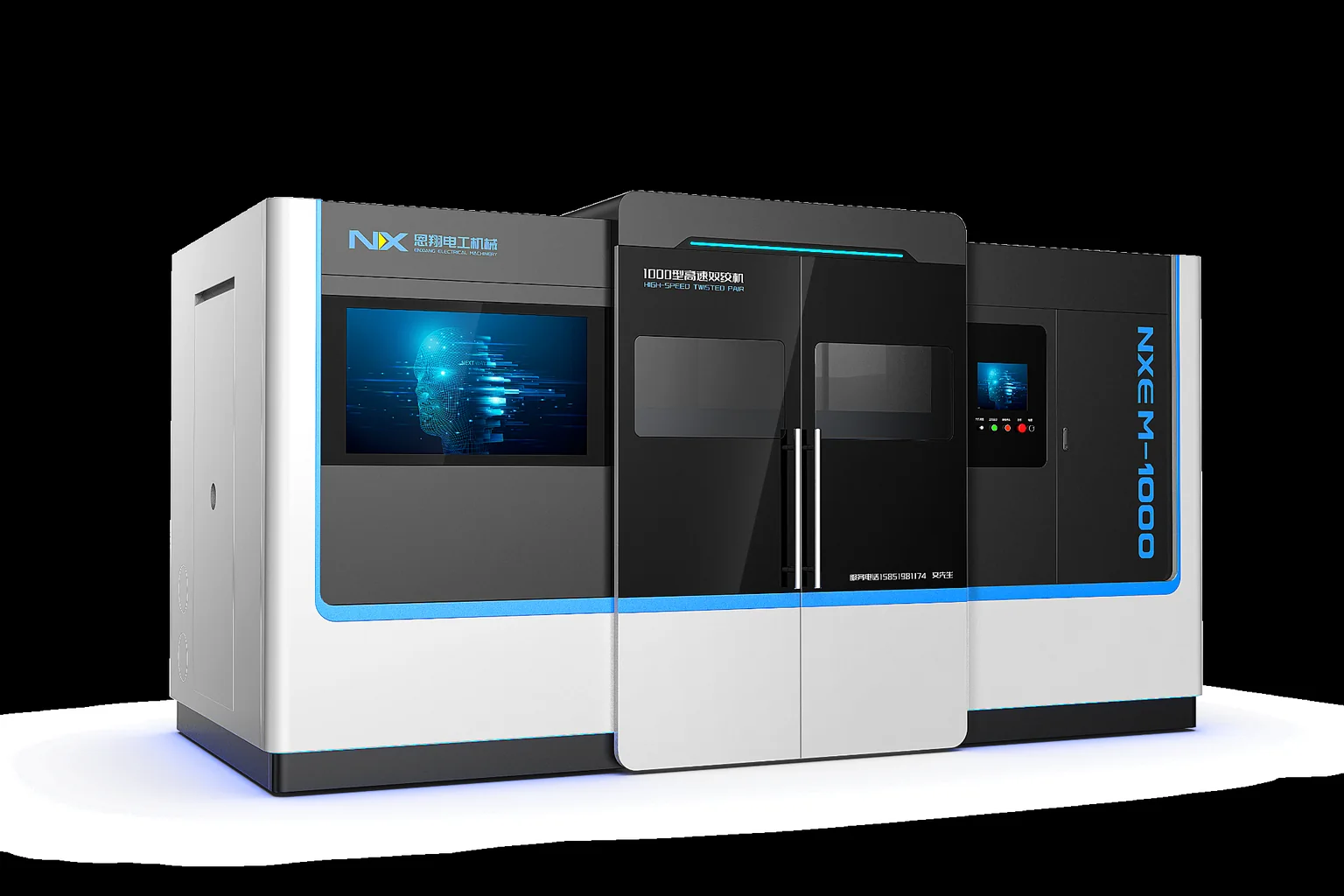
The central double-door section is both an important access area and the strongest opportunity to establish a memorable product feature.
The projected door volume, distinctive upper structure, integrated viewing windows and vertical handles create a clear visual center while keeping the design focus aligned with the machine’s functional focus.
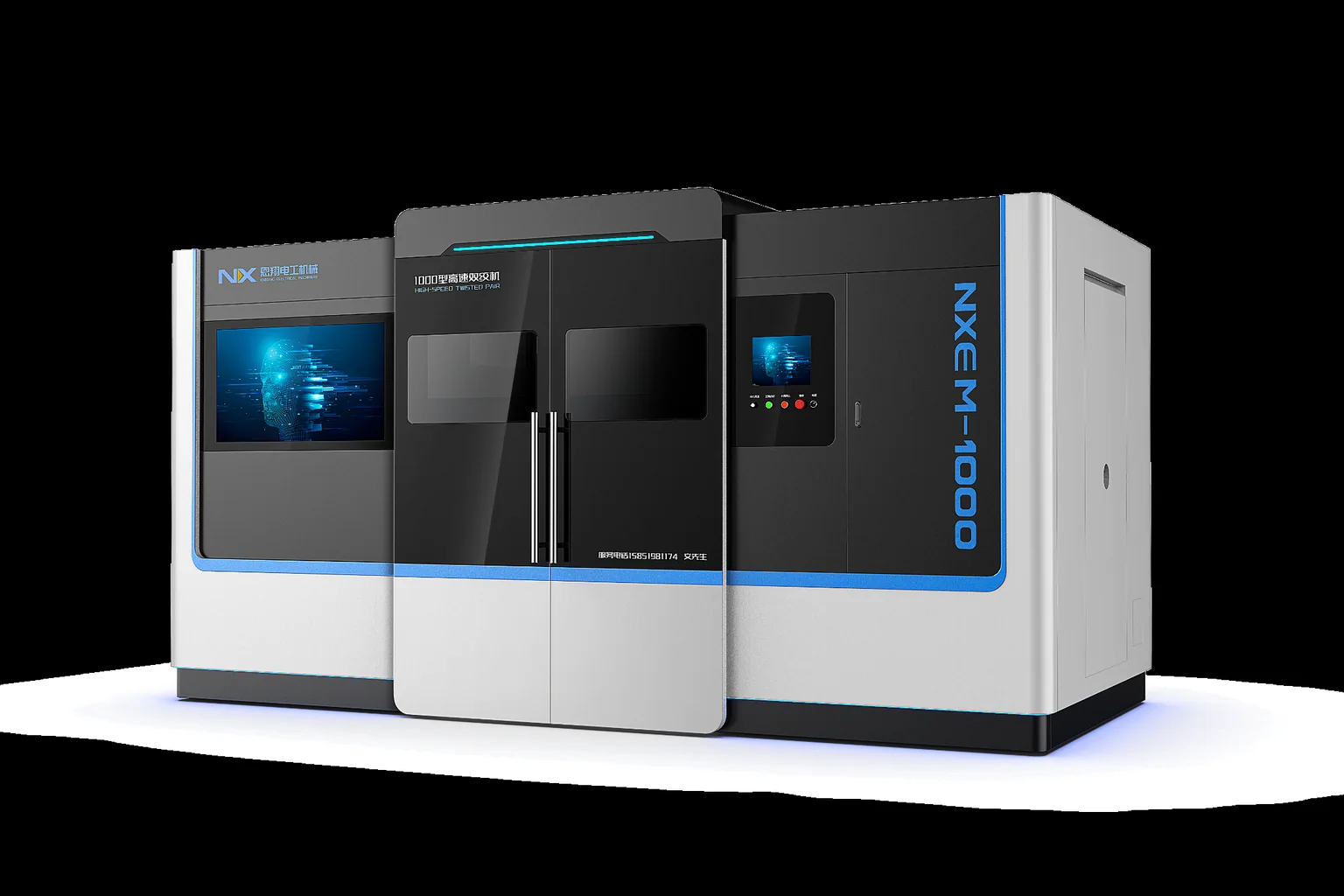
Blue is no longer used as a large-area body color. Instead, it becomes a controlled identifying accent.
A continuous blue line defines the primary functional zone, while vertical blue details and model graphics reinforce recognition across the front of the machine. The restrained palette gives the equipment a cleaner and more professional character while preserving a distinctive identity.
The control display, status buttons and observation areas are incorporated into dark functional panels with a clearer visual hierarchy.
Instead of appearing as separate components added to the enclosure, the interface becomes part of the overall product architecture, improving visual order and making the primary operator-facing areas easier to identify.
The redesign avoids unnecessary complex surfaces and decorative structures that would add manufacturing difficulty without functional value.
Product quality is created through proportion, bending relationships, controlled radii, panel divisions, layered surfaces and consistent detailing. This allows the equipment to achieve a substantial visual upgrade while remaining compatible with practical sheet-metal production.
The redesigned high-speed twisted pair machine moves away from the conventional blue-and-orange appearance of traditional engineering equipment and establishes a more integrated, contemporary and recognizable industrial product identity.
The value of the redesign is not limited to appearance. It creates a clearer relationship between brand, function, interaction and manufacturing:
Recognizable from afar.
Refined up close.
Clear and intuitive in operation.
The project demonstrates how industrial equipment design can translate engineering capability and manufacturing quality into product value that customers can directly see and understand.
Client: Yuyao Enxiang Electrical Machinery Co., Ltd.
Product: 1000 High-Speed Twisted Pair Machine
Design Services: Exterior Design / CMF Design
Design: EQPID