CASE STUDY
A large battery production line is transformed into a unified industrial product through integrated enclosures, continuous visual language, coordinated CMF and status lighting that communicates machine conditions at a distance.
EQPID redesigned the exterior of a battery production line for Nanping Times, focusing on the visual integration of a large-scale continuous production system.
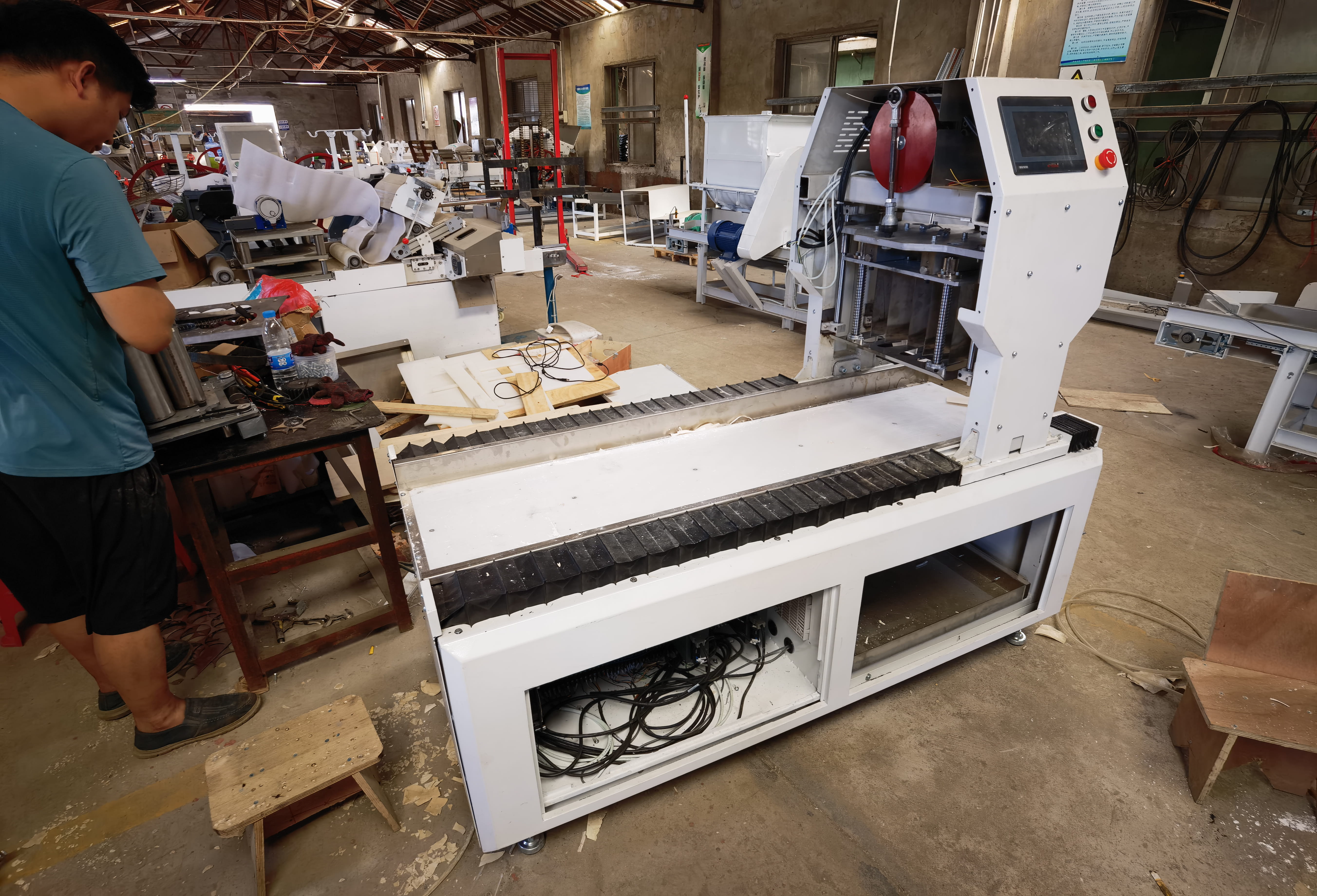
The original equipment had already established its core production functions and mechanical architecture. However, the long production line was still dominated by exposed frames, independent modules and functional components, making the system appear more like an engineering installation than a complete industrial product.
The redesign introduced a unified enclosure architecture, a consistent CMF system and a continuous product language across the entire line. Instead of treating each section as an independent machine, the design organized the equipment as one complete production system.
Large-scale production lines present a different design challenge from standalone machines.
Their visual quality is determined not only by individual panels or enclosures, but also by whether multiple modules, operating areas and structural sections can form a coherent system across a long physical distance.
Before the redesign, the equipment had clear engineering logic but limited visual continuity. Frames, mechanical components and individual modules remained visually independent, resulting in a fragmented overall appearance.
The challenge was therefore not to redesign one machine enclosure, but to establish a product language capable of organizing the entire production line.
Rather than styling individual machine sections independently, EQPID treated the entire production line as one product system.
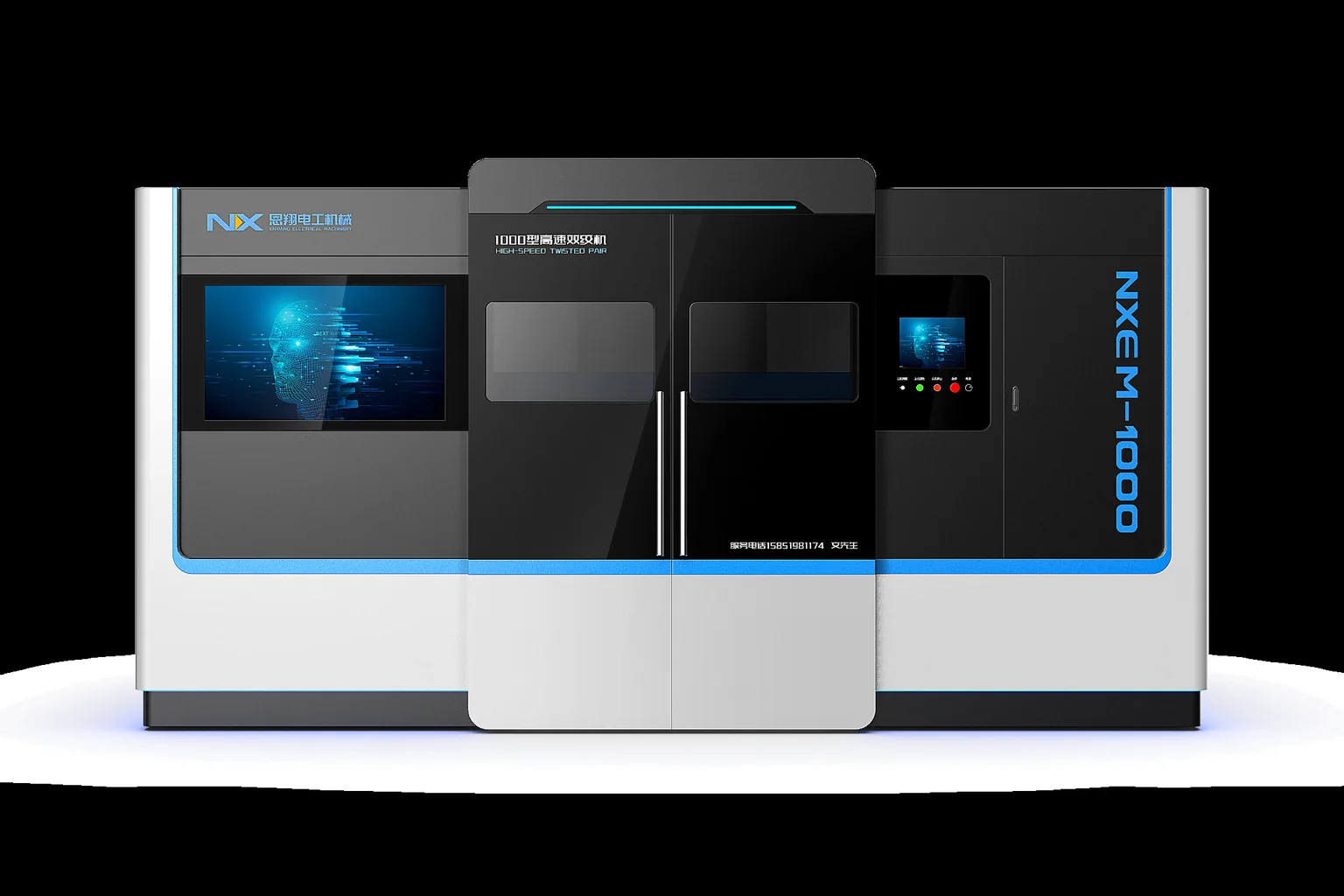
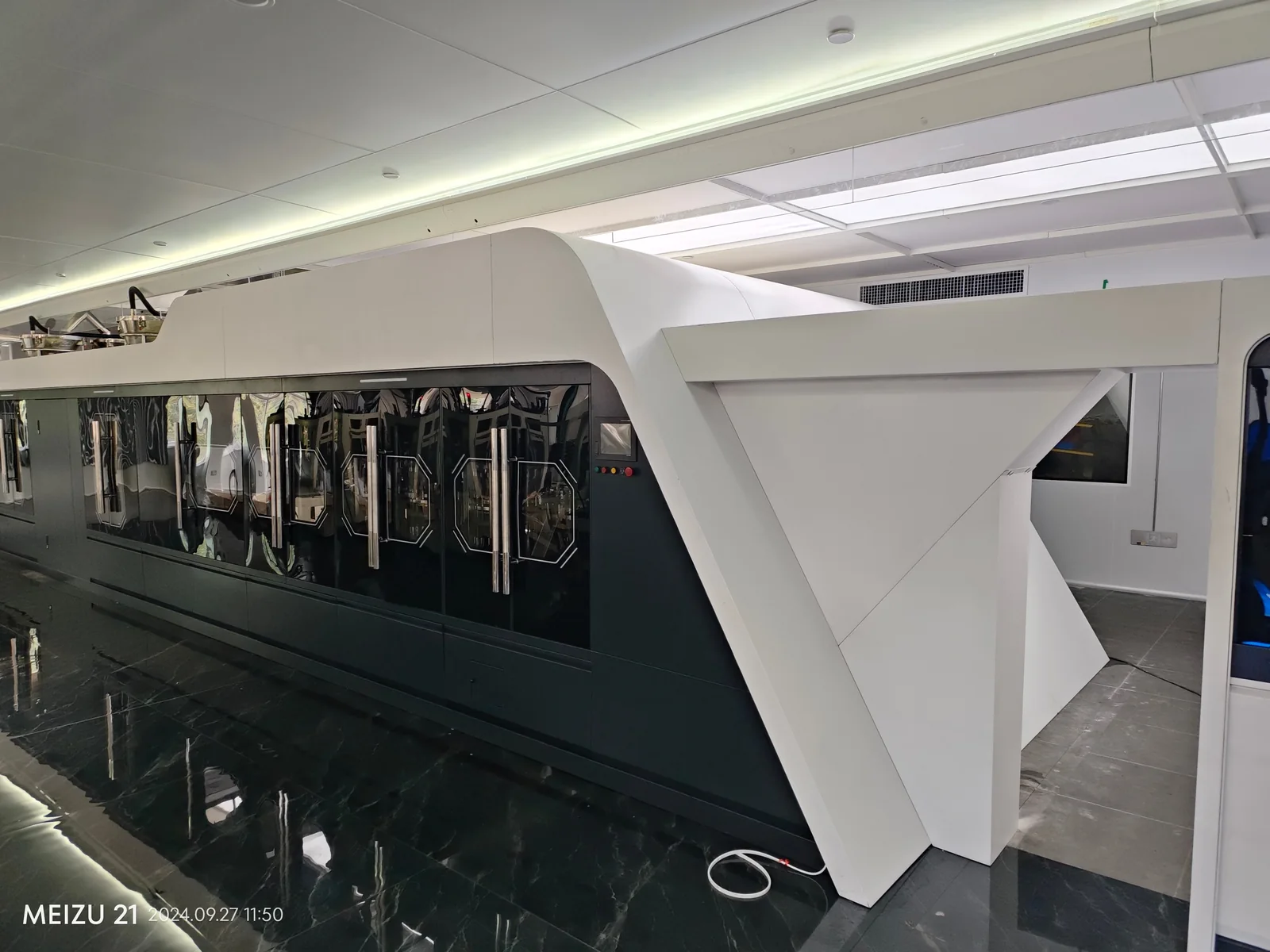
A continuous horizontal visual language was introduced along the equipment. Large light-colored enclosure surfaces define the main body, while dark observation areas form a repeated functional band throughout the line.
At key transition points, inclined frames and geometric structures interrupt the long horizontal body and create recognizable visual nodes.
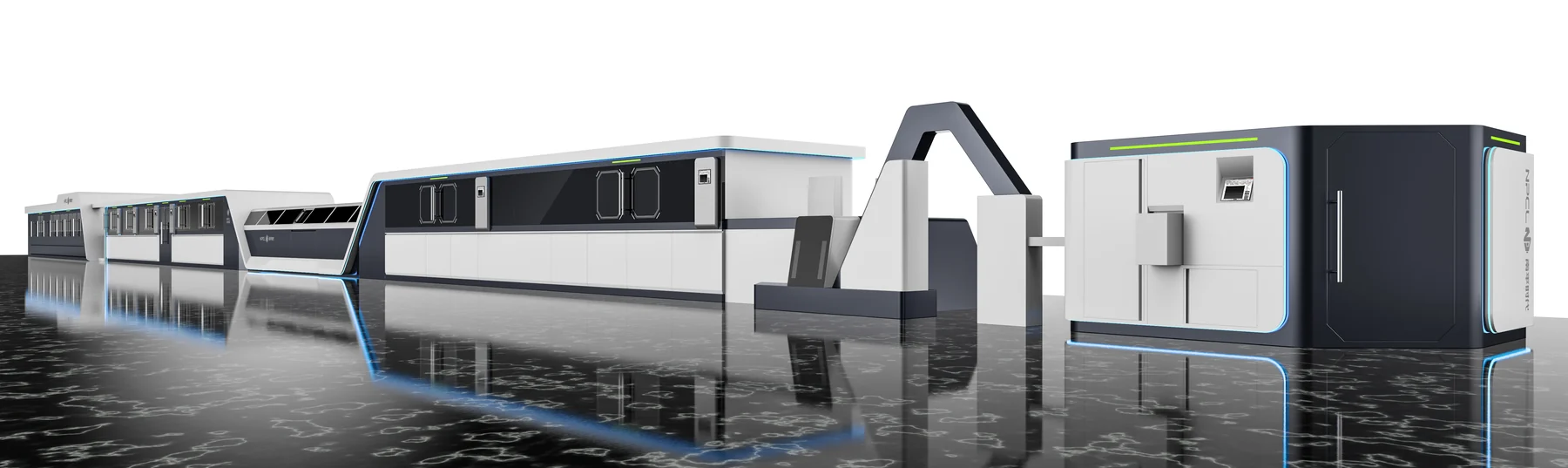
An integrated status light strip runs through selected sections of the equipment. It functions both as a visual identity element and as a machine-status interface. Under normal operating conditions, the light strip appears blue. When an abnormal condition occurs but the equipment can continue operating, it changes to yellow. In the event of an equipment fault, it turns red.
This allows machine status to be recognized quickly from a distance without requiring the operator to first check the control interface.
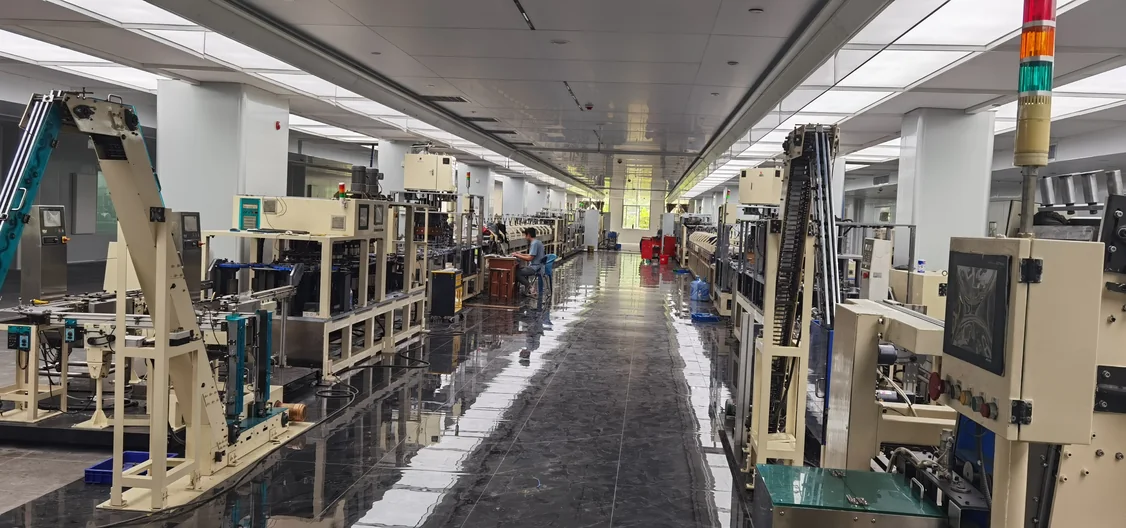

The redesigned enclosure connects previously independent machine sections into a continuous exterior system.
Instead of allowing every frame, cabinet and functional module to become an independent visual object, the design establishes a clear hierarchy between the main body, observation areas, service zones and structural transitions.
As a result, the production line is perceived first as one complete industrial product, rather than simply a collection of technical modules.
Because of the extreme length of the production line, horizontal continuity became one of the most important design tools.
Continuous upper surfaces, observation-window bands and horizontal divisions guide the eye along the complete equipment line.
The integrated status light strip further strengthens this continuity while also carrying operational information. Under normal conditions, the blue lighting creates a continuous visual signature across the equipment. When the machine status changes, the same visual element becomes an immediate information interface through color.
Dark observation areas were integrated into the enclosure as part of the overall product language rather than treated as isolated windows.
Repeated window geometry creates rhythm along the production line while maintaining visibility of the internal process. Solid enclosure areas visually contain components that do not need to remain exposed, creating a clearer distinction between observation zones and enclosed functional areas.
Large inclined structures appear at key junctions of the production line, breaking up the long horizontal body and creating recognizable visual landmarks.
The CMF system uses a restrained combination of light surfaces, dark gray and black functional areas, together with an integrated status-lighting system.
The light strip plays three roles simultaneously: it reinforces the visual continuity of the production line, strengthens product recognition, and communicates machine status.
By integrating status information directly into the exterior architecture, the lighting becomes part of the machine interface rather than an added decorative feature.
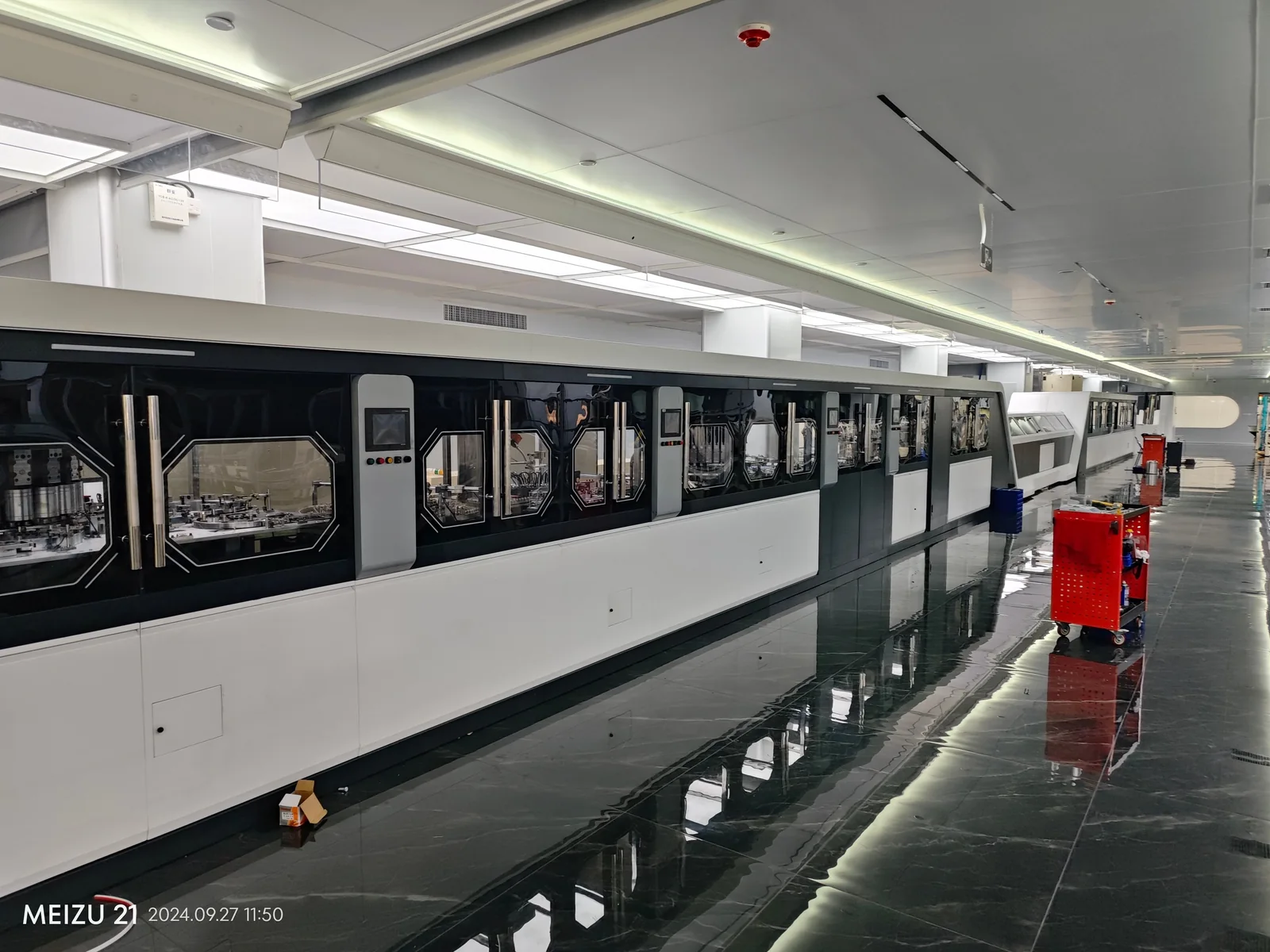
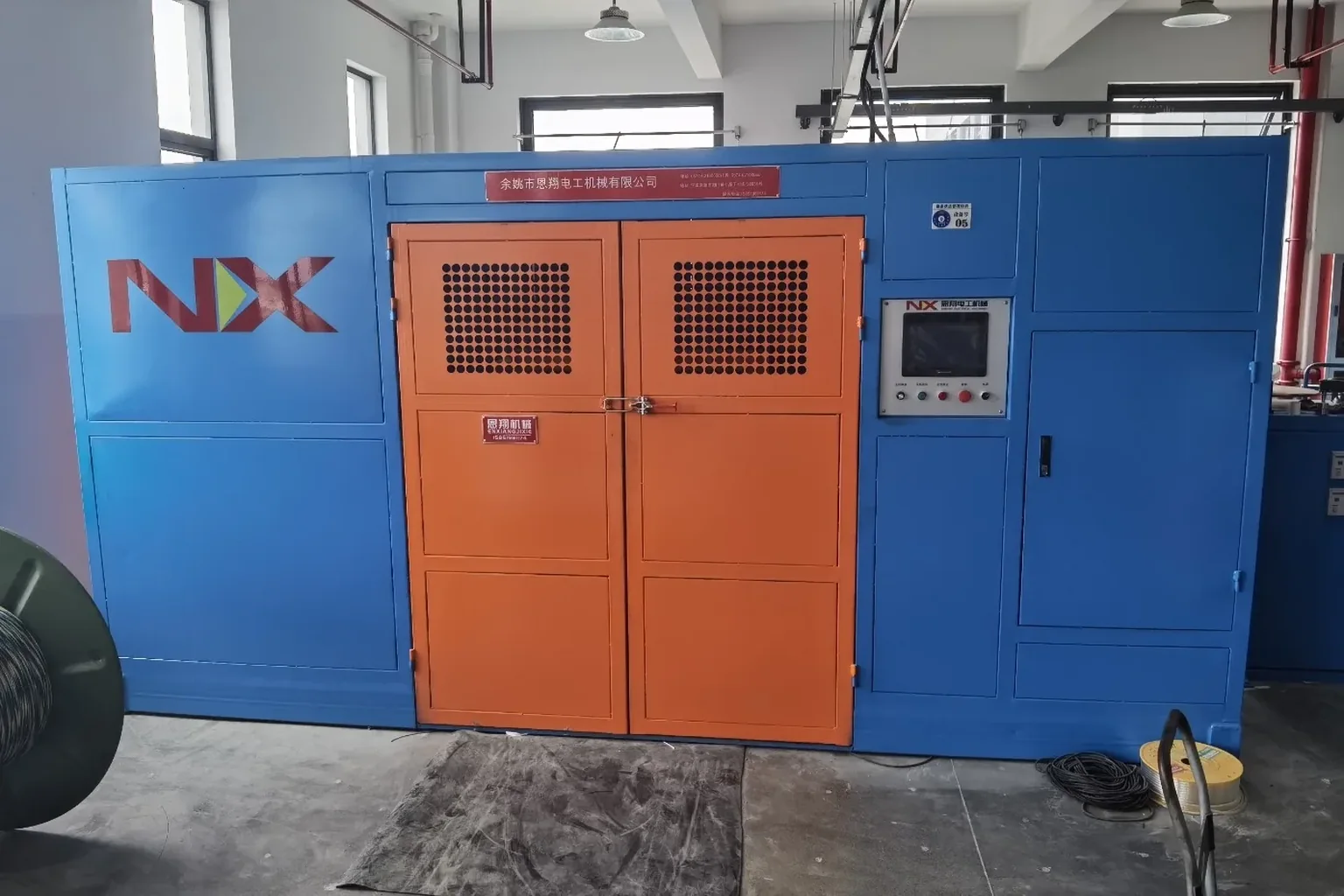
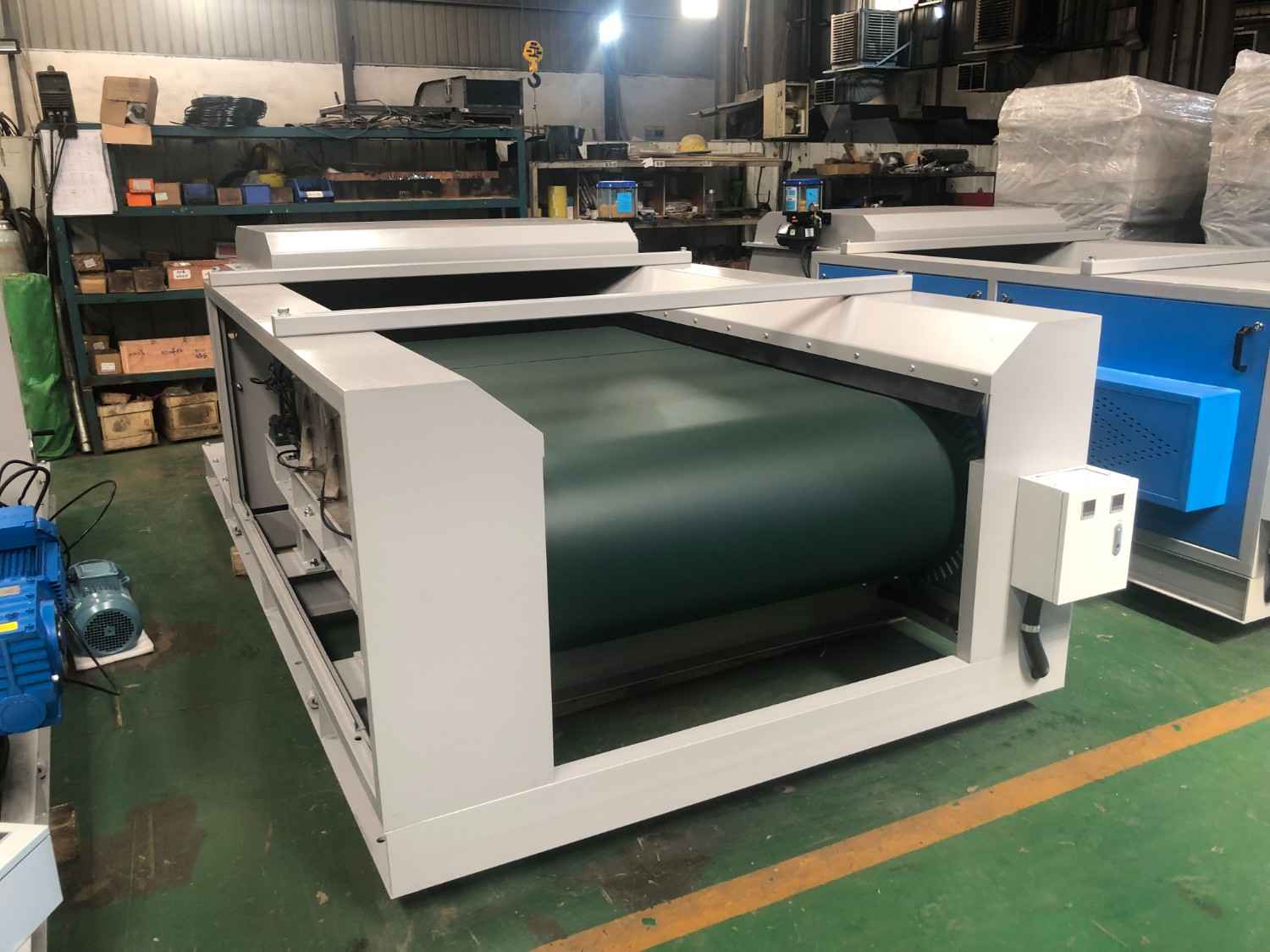
The completed equipment retains the principal relationships established in the original design, including the light-and-dark enclosure hierarchy, continuous observation bands, inclined transition structures and overall product proportions.
The status light strip was also incorporated into the manufactured equipment. In the available photographs, however, the lighting system was not illuminated, so the blue operating-state effect visible in the design renderings does not appear in the photographs.

When active, the lighting system communicates machine status through color: blue for normal operation, yellow for an abnormal but still operable condition, and red for a fault.
This combination of visual identity and operational feedback demonstrates how exterior design can also contribute to human-machine interaction in large-scale industrial equipment.
The project transformed a long, engineering-driven production line into a more integrated and recognizable industrial product.
The improvement is not limited to appearance. A consistent exterior system creates clearer relationships between individual modules and allows a complex production line to communicate a stronger sense of product completion.
For the manufacturer, the equipment becomes a more effective carrier of engineering capability, manufacturing quality and product identity during customer visits, project presentations and equipment delivery.
The project demonstrates that industrial design for large production systems is not about styling individual machines independently. It is about establishing one coherent visual and product order across the entire system.