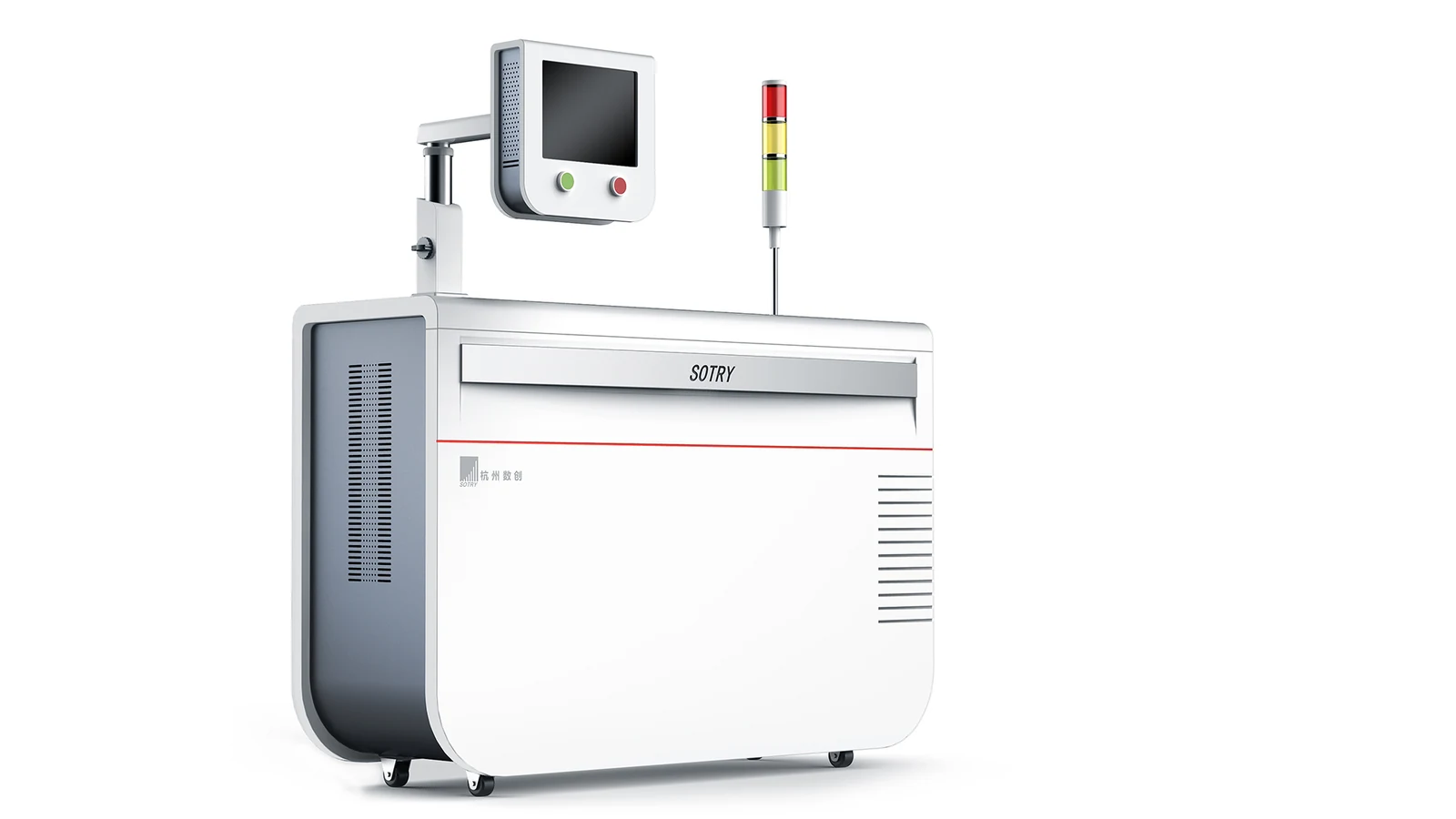
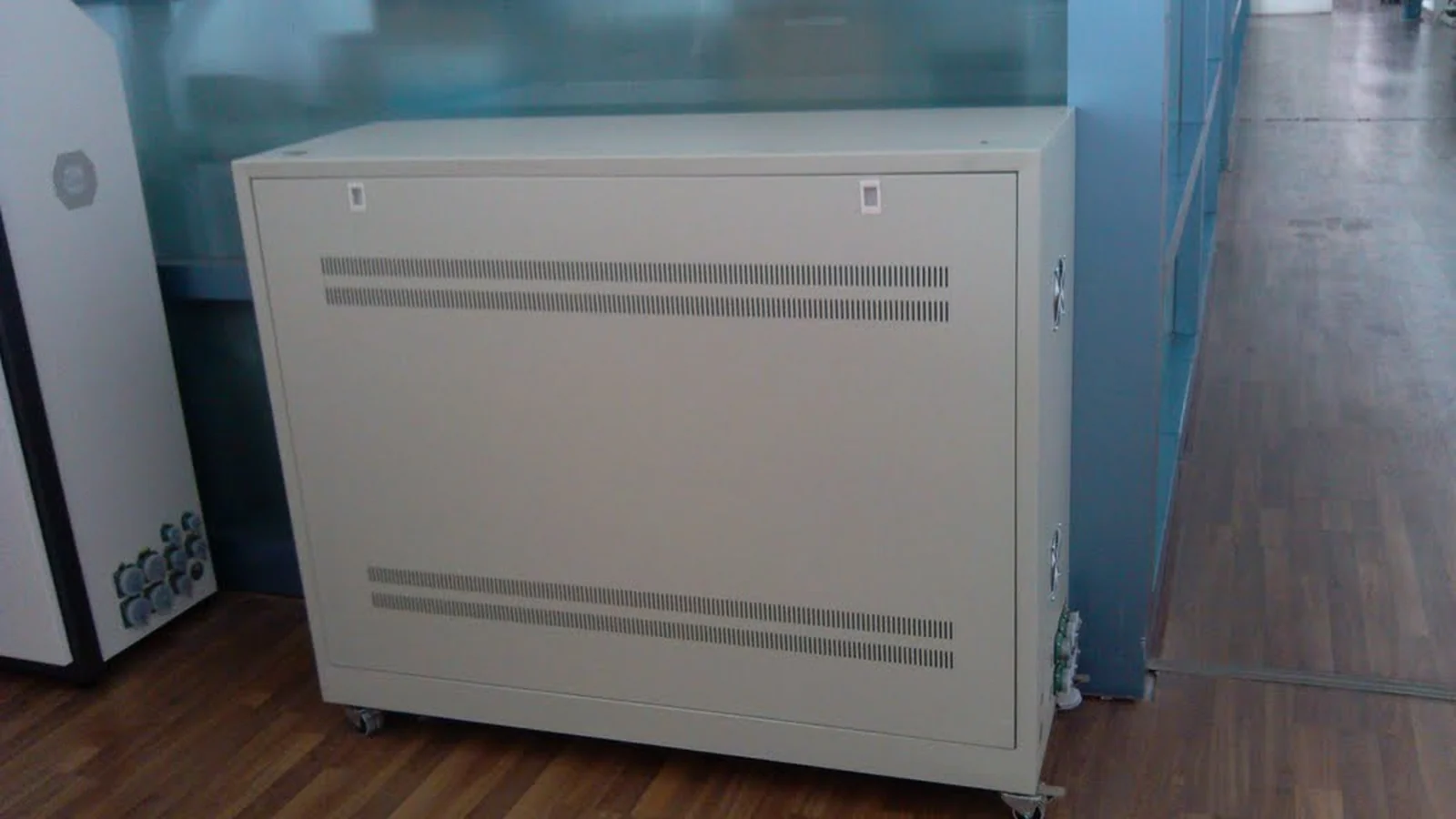
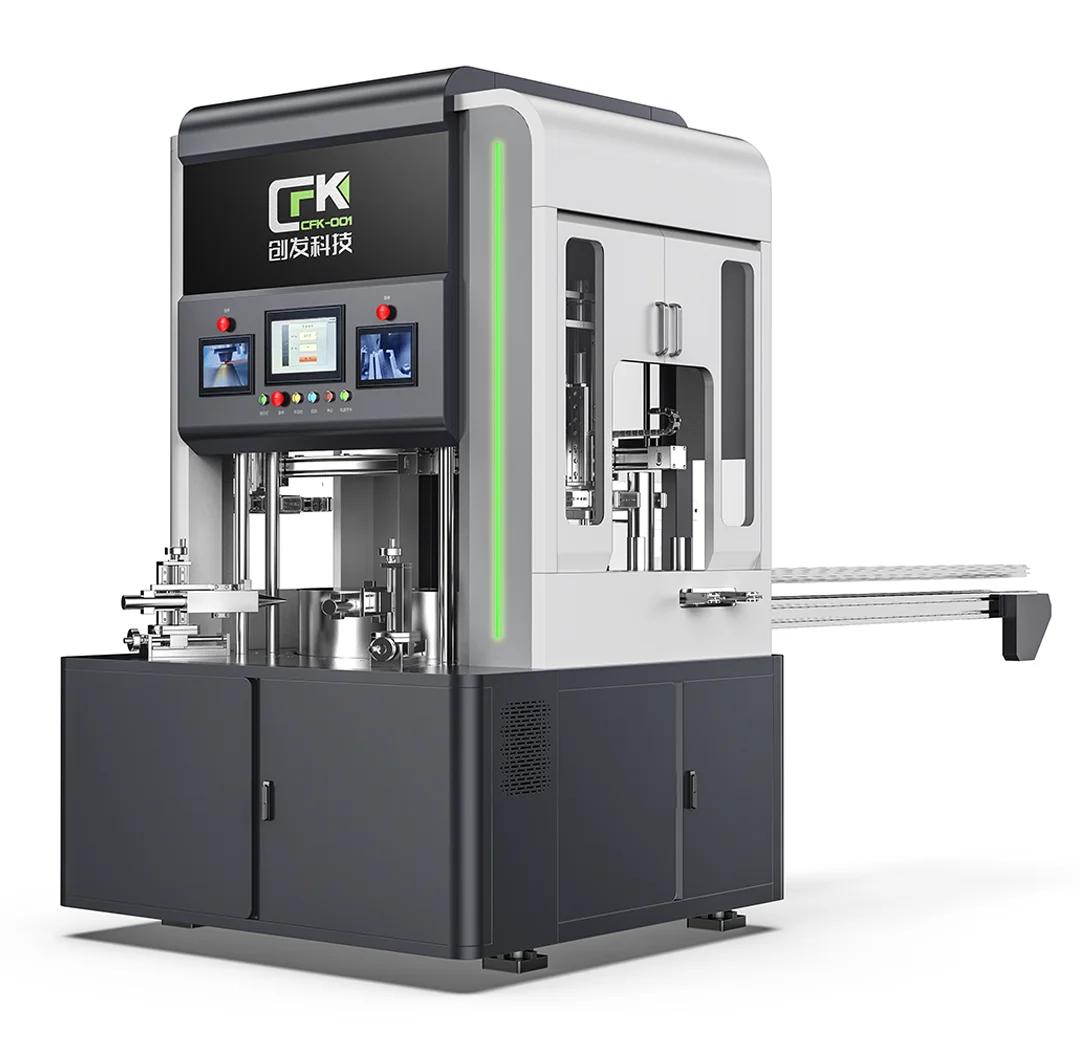
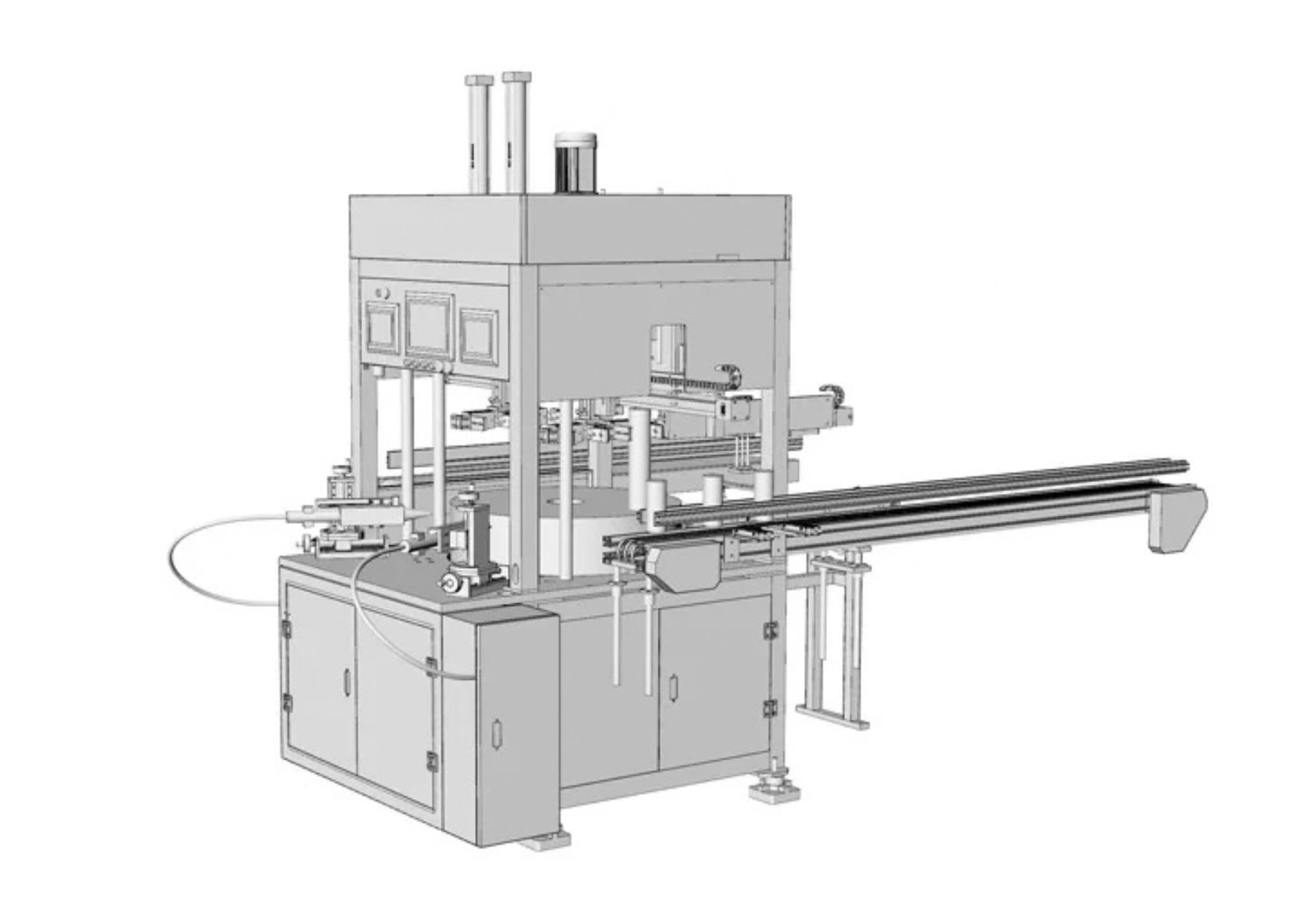
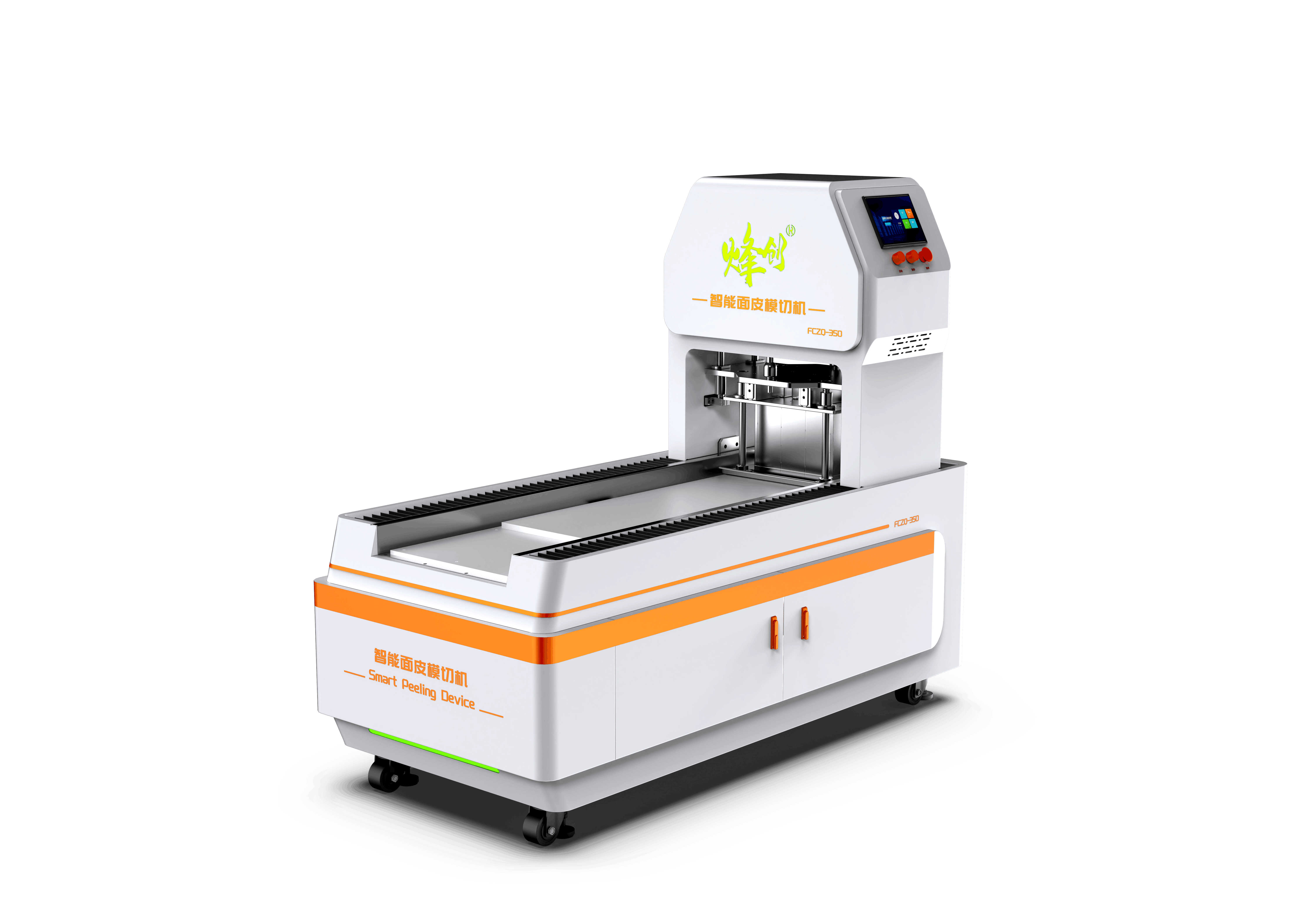
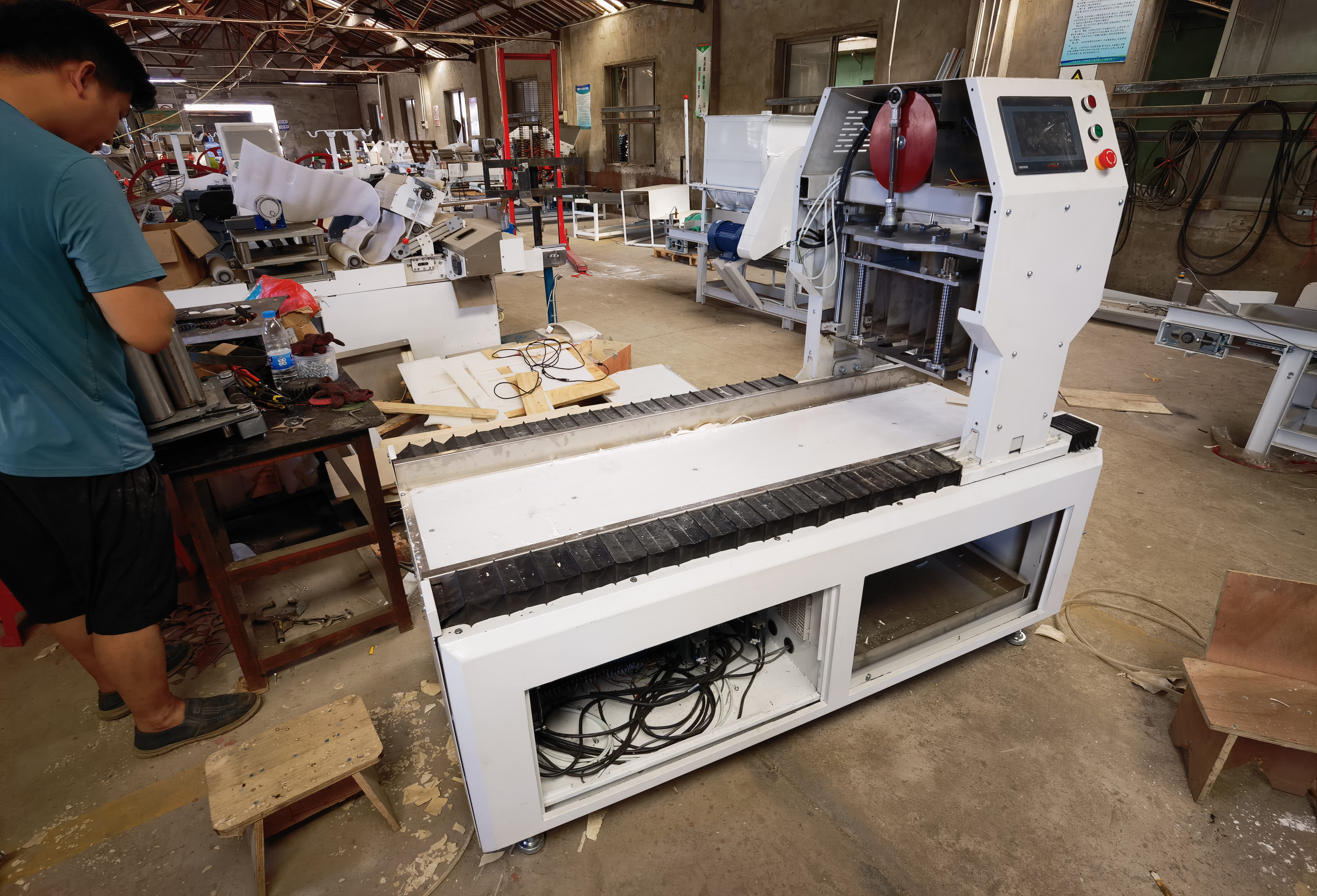
The client’s existing equipment presented several key design challenges:
1. Lack of Form Integration
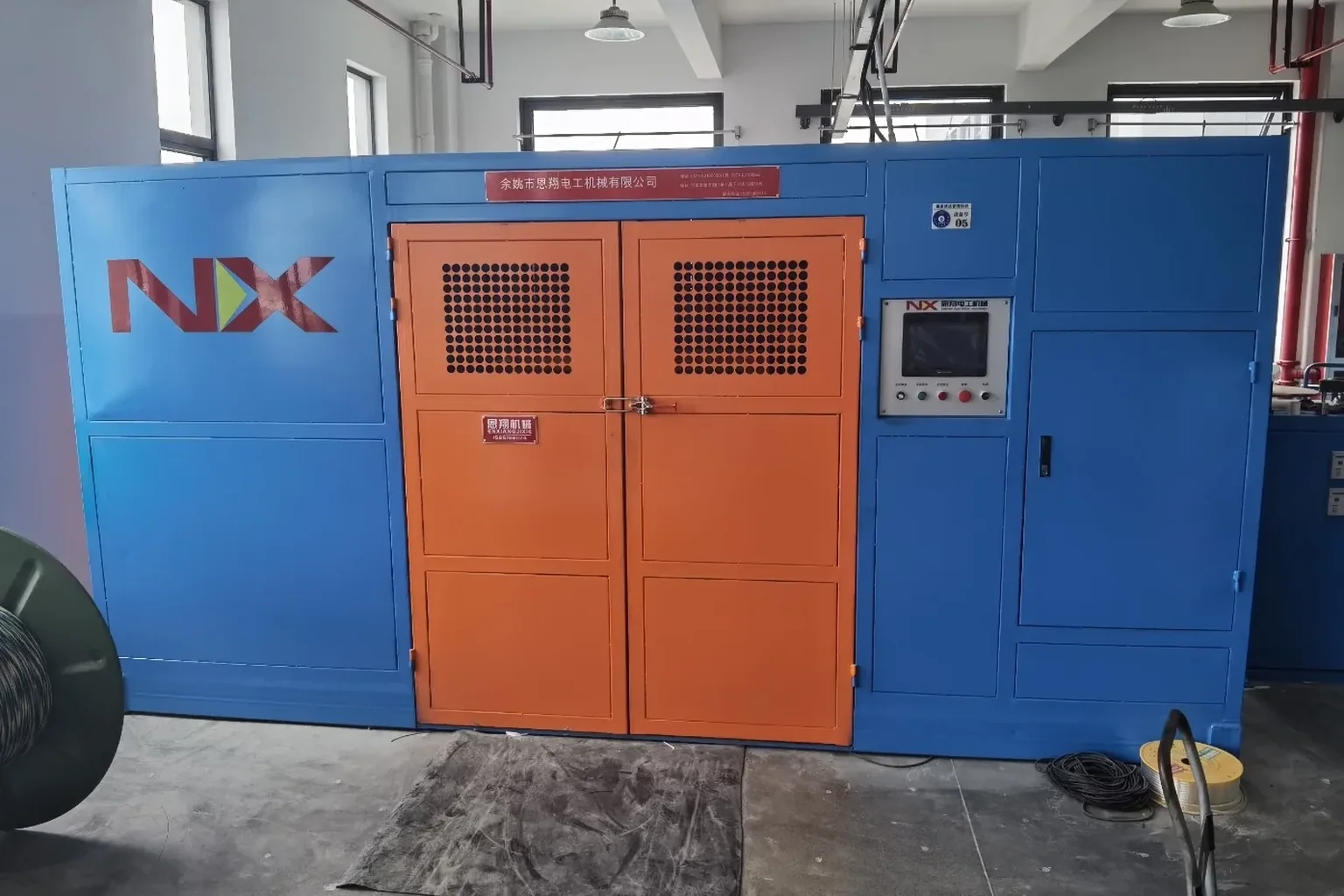
The functional modules, such as the machine frame and control cabinet, appeared visually independent with little design connection between them. The rigid and inconsistent lines made the overall structure feel fragmented and loosely organized, lacking a unified visual rhythm.
2. Visual Clutter
The equipment used multiple colors—including blue, red, and yellow—without a cohesive color strategy. Exposed piping and components further contributed to a scattered and disorganized appearance.
3. Coarse Industrial Aesthetic
The exterior lacked an integrated design language, resulting in a strong sense of assembled components. Basic surface finishes and heavy visual forms also made the equipment appear dated and cumbersome.
4. Inconsistent Signage
Safety warnings and operating instructions were distributed inconsistently across the equipment, with some areas lacking clear and unified information presentation.
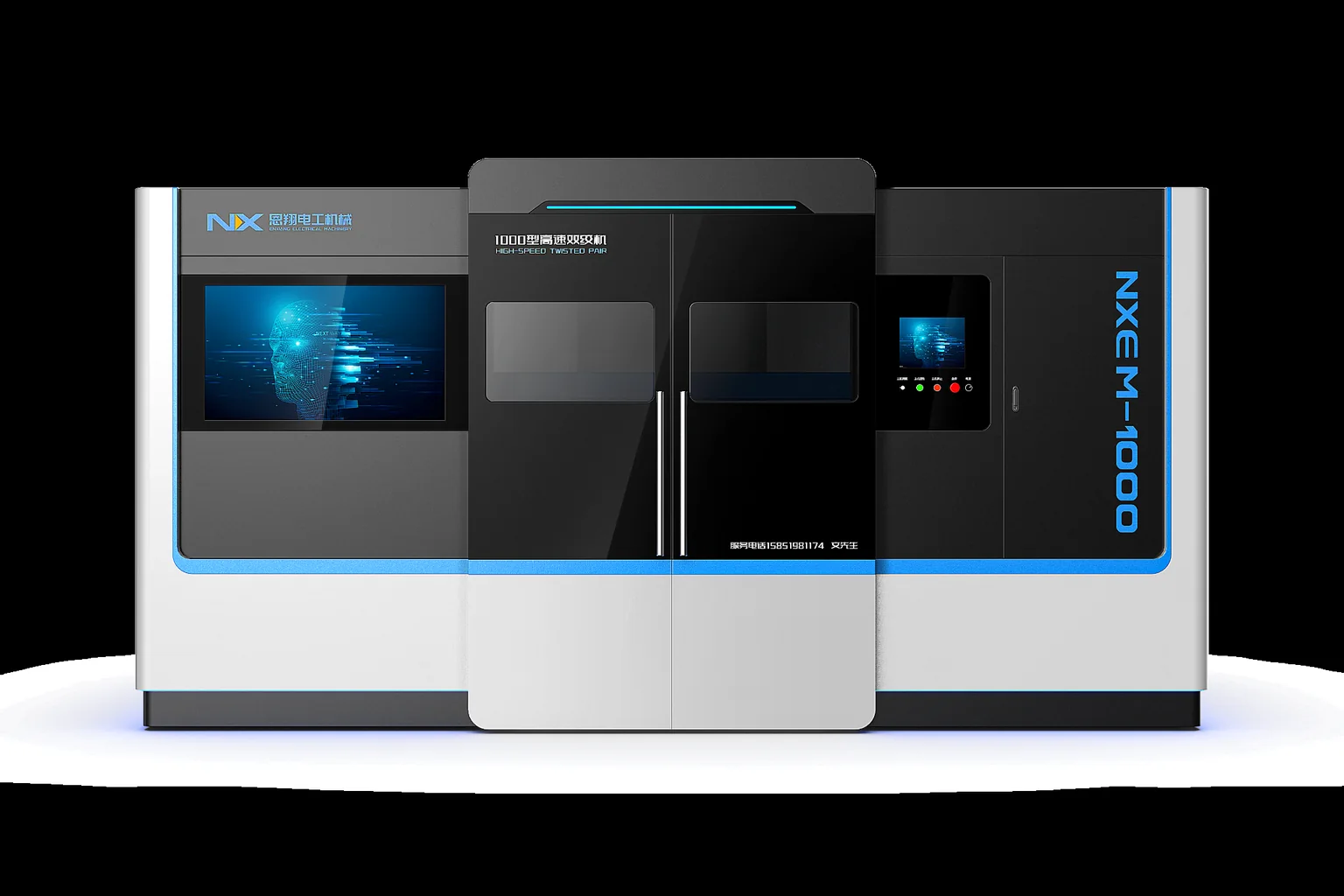
The Shuizhe Design team developed a comprehensive appearance upgrade for the firebrick packaging line. By focusing on Unified Form, a Structured Color System, Refined Details, and an Organized Signage System, the fragmented original equipment was transformed into a modern industrial system with stronger visual continuity, coordinated colors, refined quality, and clearer information.
1. Unified Visual Rhythm
Integrated the forms of individual modules and connected the structure through clean, flowing lines, strengthening overall visual continuity.
2. Structured Color System
Introduced a low-saturation industrial color palette with selective functional color accents. Exposed piping was reorganized and concealed wherever possible to create a cleaner appearance.
3. Refined Surface & Detail Quality
Optimized surface finishing processes and introduced transitional design elements between modules, reducing the visual impression of rough assembly and improving overall refinement.
4. Organized Signage System
Standardized the design and placement of safety warnings and operating instructions, creating a clearer and more consistent information system.

Once the firebrick packaging line was brought into production, the final equipment closely matched the original renderings. The blue-and-white color scheme, complemented by carefully placed yellow accents, was faithfully translated into the physical product.
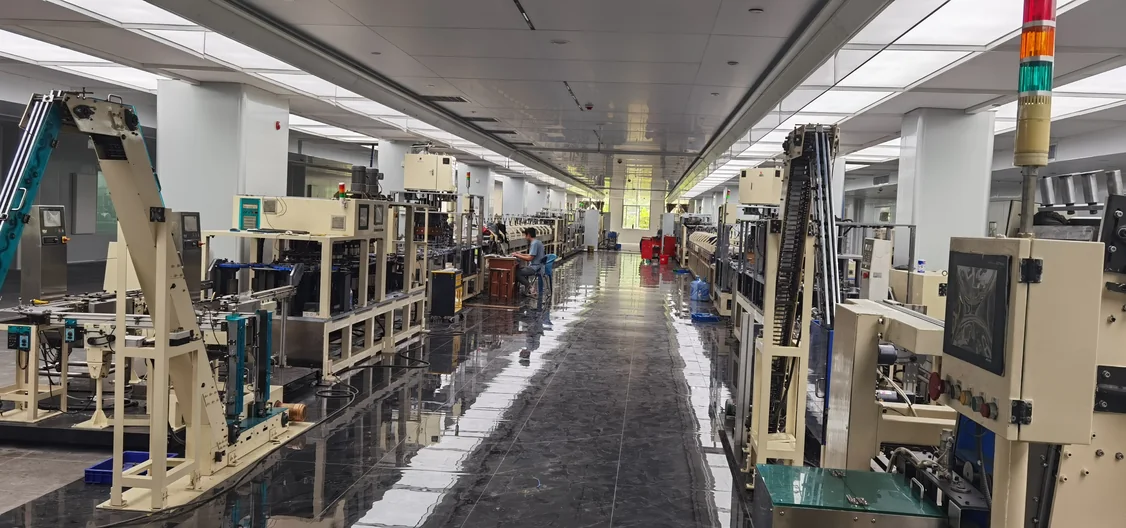
The integrated form and clean, streamlined lines now blend naturally into the workshop environment. The client’s positive response during on-site acceptance provided direct validation of the high-fidelity realization of the design concept, as well as strong recognition of the Shuizhe industrial design team.
Today, the equipment operates reliably while elevating the visual quality of the production environment. Consistent branding and a more organized operating experience have also helped establish a stronger market impression of the equipment as a product where functionality and visual appeal work together.
The positive market response further demonstrates the value of the redesign: it is not simply an equipment refresh, but a dual enhancement of the professionalism of the production environment and the overall brand image.
The impact of the redesign can be summarized across four key areas:
1. Upgraded Visual Identity
The fragmented original equipment was transformed into an integrated form with a consistent white-and-blue color palette and flowing lines. This significantly enhanced the overall industrial aesthetic of the workshop while reinforcing a sense of professionalism.
2. Improved Operating Experience
A more organized signage system and modular layout reduced visual distractions and contributed to a clearer, more efficient operating environment.
3. Stronger Brand Recognition
The “UKEYER” brand identity was consistently integrated throughout the equipment, establishing a distinctive visual signature and transforming the machine from a functional tool into a tangible carrier of the brand.
4. Enhanced Perceived Value
The refined exterior gives the equipment both practical and presentational value. It fits naturally into modern production environments while strengthening customer confidence in the quality and professionalism of the equipment.