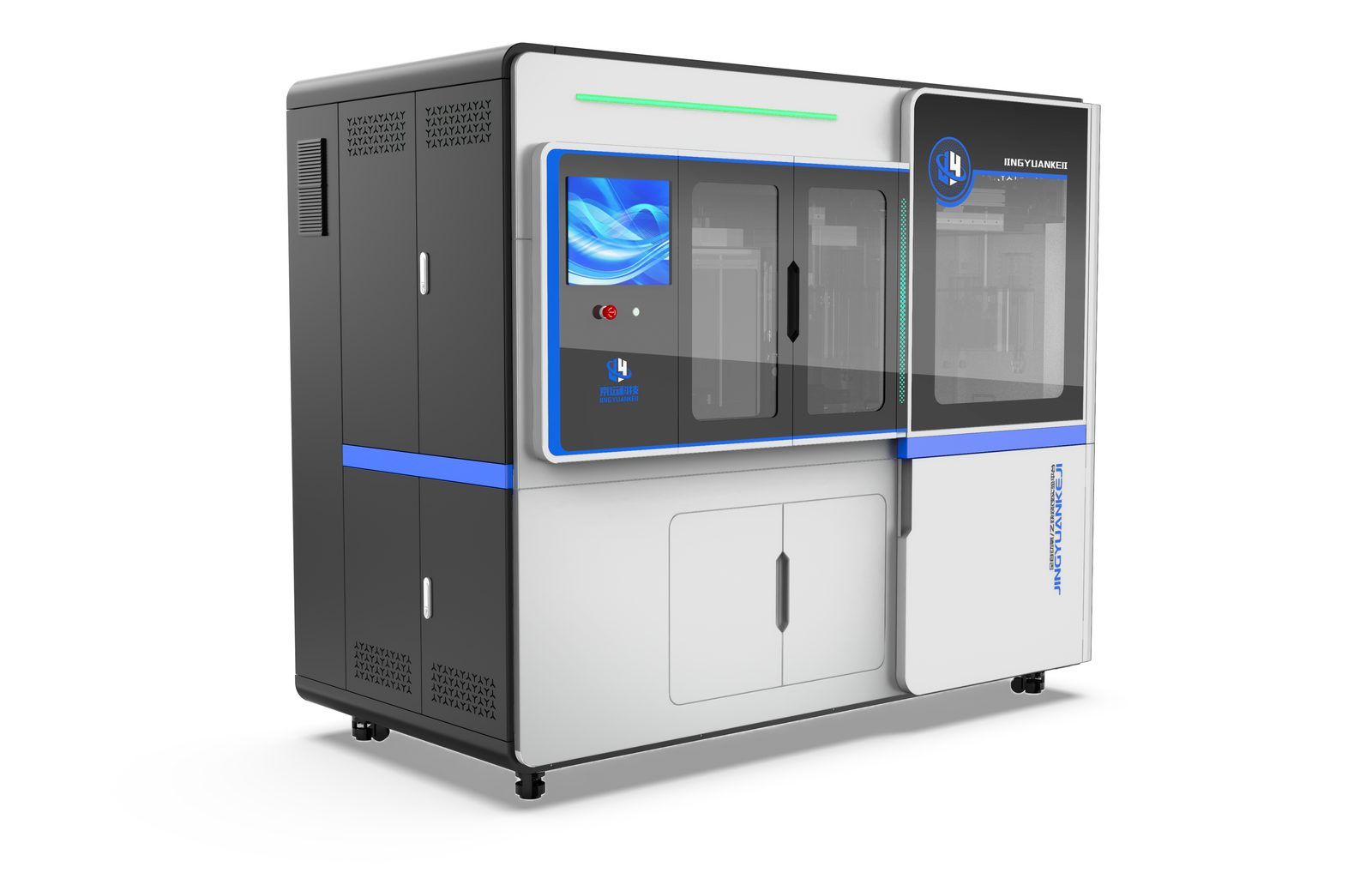
CASE STUDY
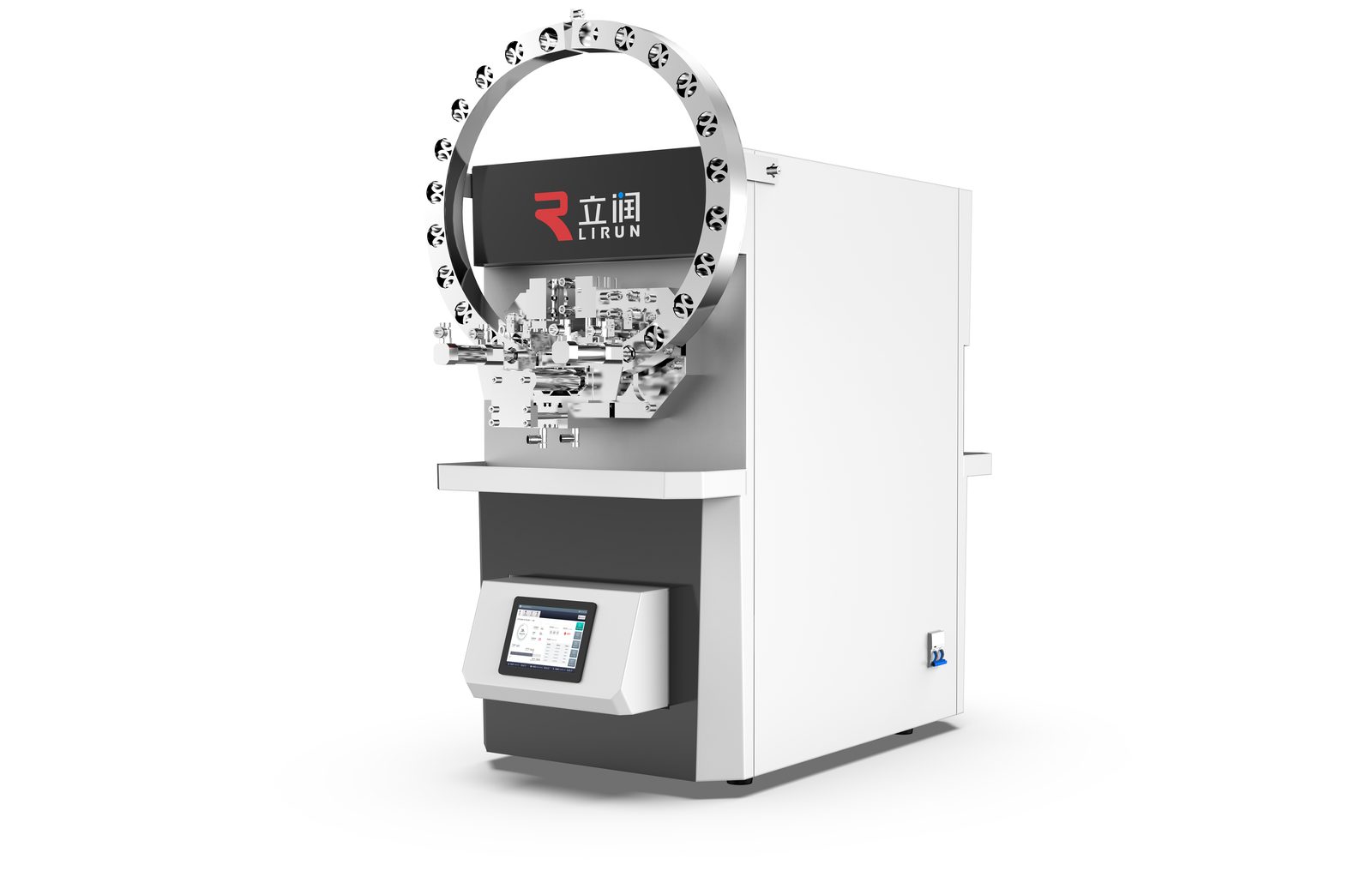
Exterior upgrade for the tube combustion furnace of a carbon-sulfur analyzer: an annular heat-dissipation ring on top, a cantilevered tilted touchscreen, and a charcoal functional bay on the front face — three details that make the machine look like the instrument it is.
The tube combustion furnace of a carbon-sulfur analyzer is the quiet workhorse of the laboratory: combustion tubes above a thousand degrees, sample after sample, day after day, wrapped in a plain grey shell nobody looks at twice. When an electromechanical equipment manufacturer came to us, the brief was specific: the machine's capability had moved forward, but its appearance was still stuck in a previous era. This time we will not lecture on big principles — we will simply talk through three details.

The most easily overlooked problem with this machine is heat. While the furnace works, cooling is a constant necessity — previously hidden behind a few rows of grilles on the back panel, unseen and unconsidered. In the redesign, the heat dissipation is reorganized into a metal ring that wraps around the top of the body: evenly spaced openings on a unified annular frame. It carries the airflow, and it has become the most recognizable single gesture of the whole machine.
A functional element does not need to be disguised as decoration; it can grow into order itself. A clean gap between the ring and the body keeps the top legible from any angle. From a distance, the ring reads as part of the silhouette; up close, the rhythm of the openings stands up to scrutiny.

Before the redesign, the control panel was a small screen hanging off the side of the body. To check a parameter, the operator had to lean sideways, lower the head, step closer — dozens of samples a day made this a very real burden.
After the redesign, a tilted touchscreen is cantilevered out from the lower front of the body, its height and angle set for a standing operator's line of sight: no bending, no crouching — temperature, flow and status are right in front of you the moment you look up. The moment of zero-distance contact is the real examination for any machine. Cognitive design lowers the cost of understanding a device: what can be operated, where the heat is, when to wait — all of it should be obvious at a glance, not recovered from a manual.

The original front face exposed two quartz combustion tubes directly, with tubing, cables and a sample shelf jumbled together. Every function was present — but the relationships between them were chaos.
In the redesign, the combustion tubes, observation windows and loading area are gathered into a single charcoal-grey functional bay: black recedes visually so the white body stays intact, while everything that needs to be watched, operated or serviced concentrates into one clearly defined zone. Here the exterior itself becomes an explanation — without a single arrow, the boundaries between the operating area, the observation area and the maintenance area stand up on their own.

Three details come down to one thing: making the image of this machine worthy of the work it does. In the grey-box era, the customer saw a piece of equipment; now they see an instrument they can trust.
For the technician who uses it every day, the change is plain: parameters visible at eye level, an operating surface within arm's reach, and a high-temperature zone you never have to skirt around. Whether a machine is good, the people who run it get the final word. The next time the furnace climbs to temperature, we hope the person standing in front of it finds it effortless — and finds it dignified.
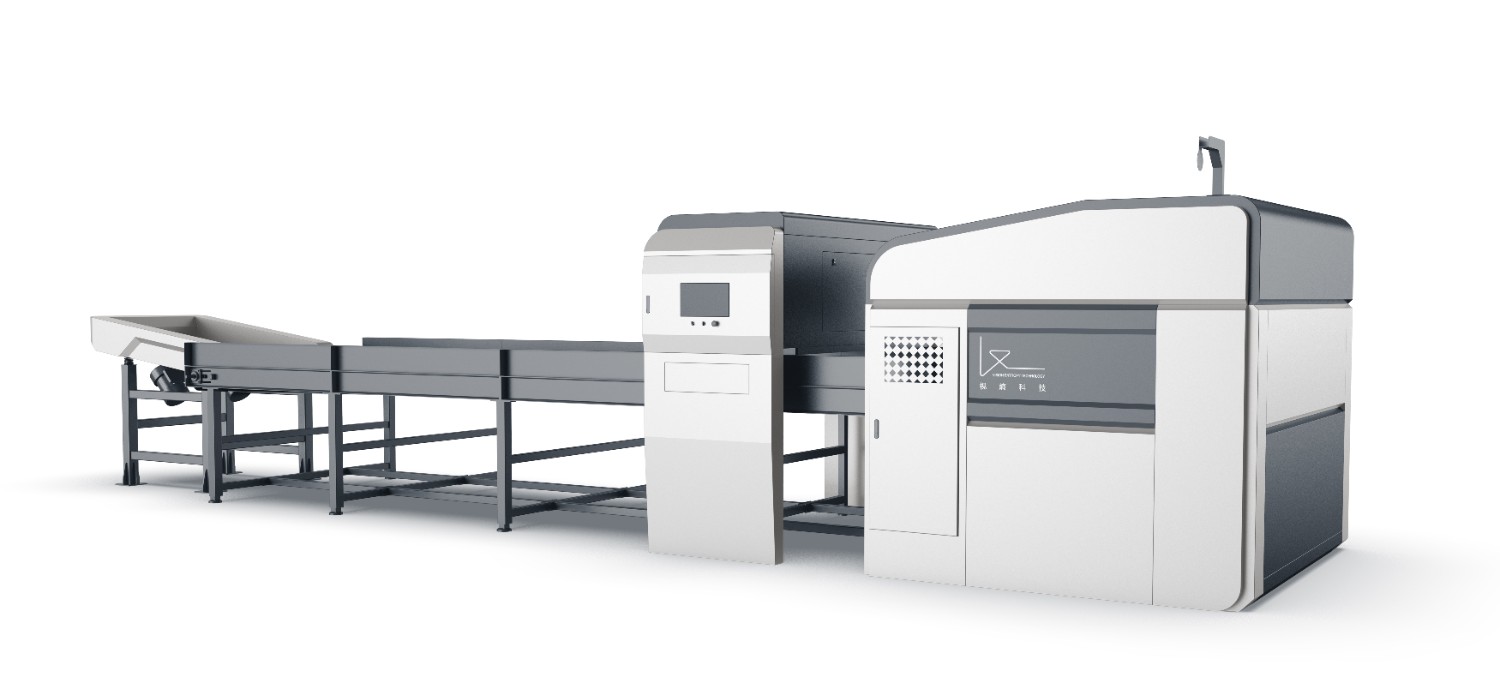
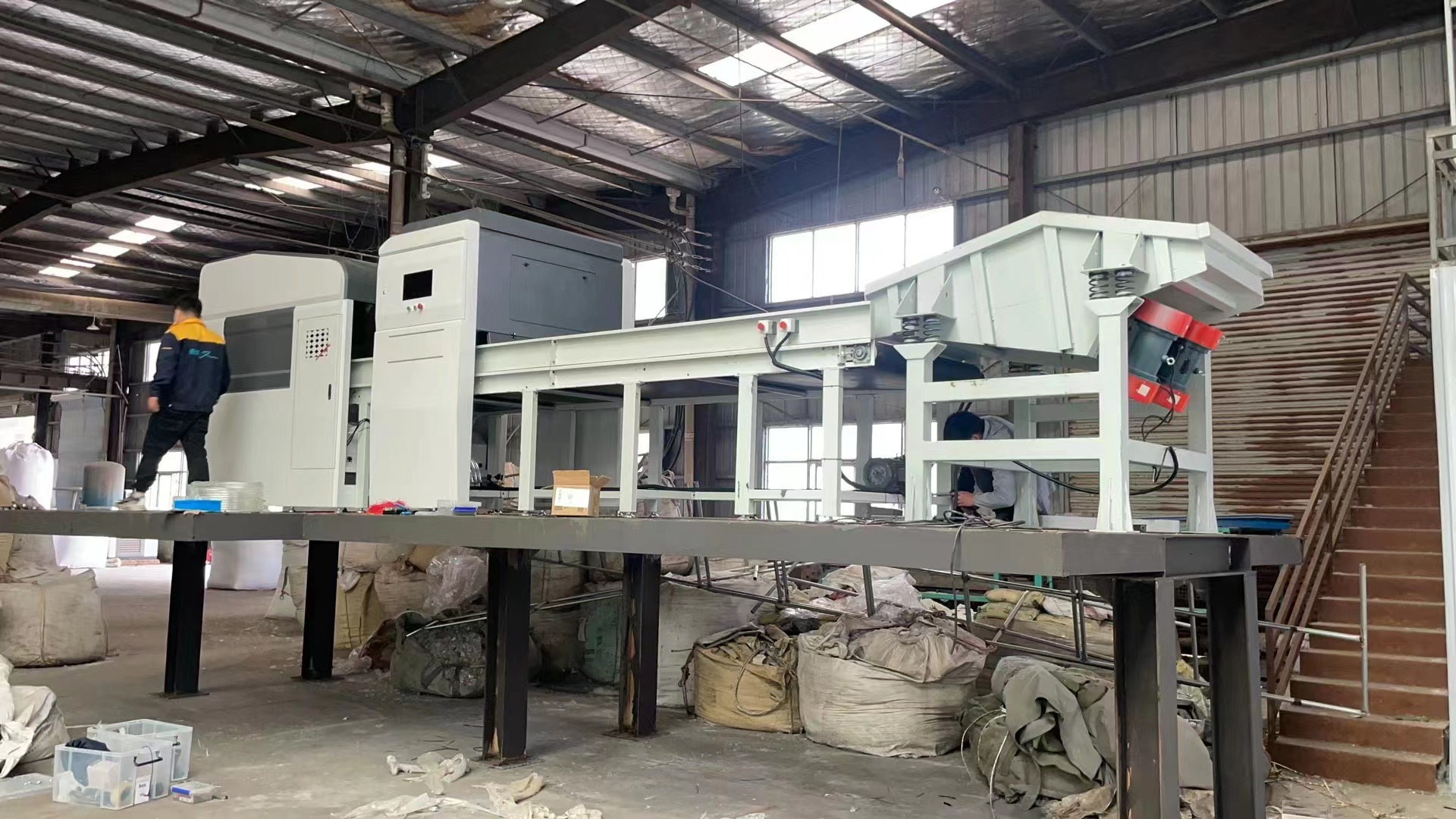
By optimizing the product structure, visual identity, functional organization, and interaction experience, the redesign enhances product recognition, perceived quality, and brand expression while maintaining engineering practicality.
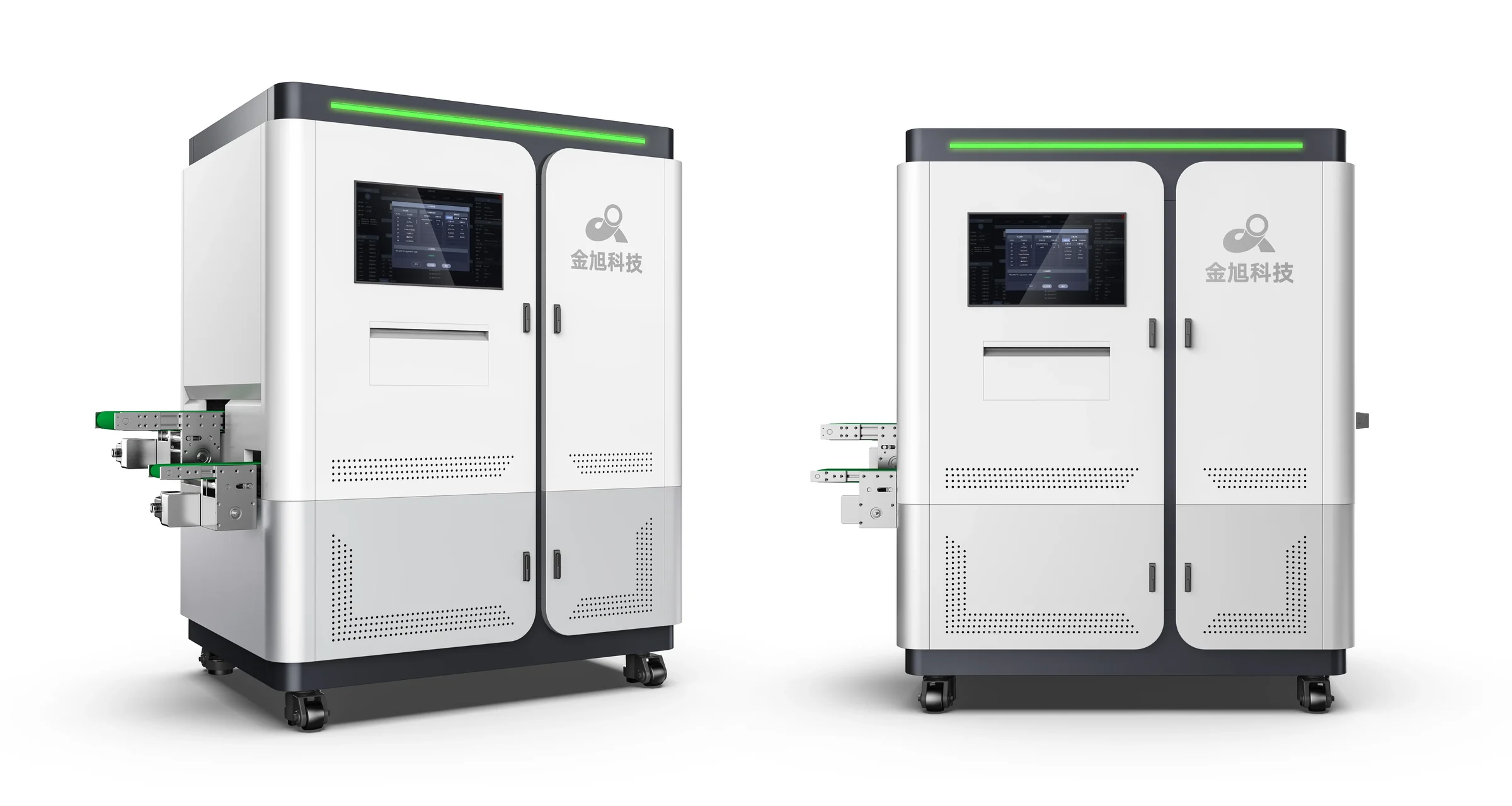
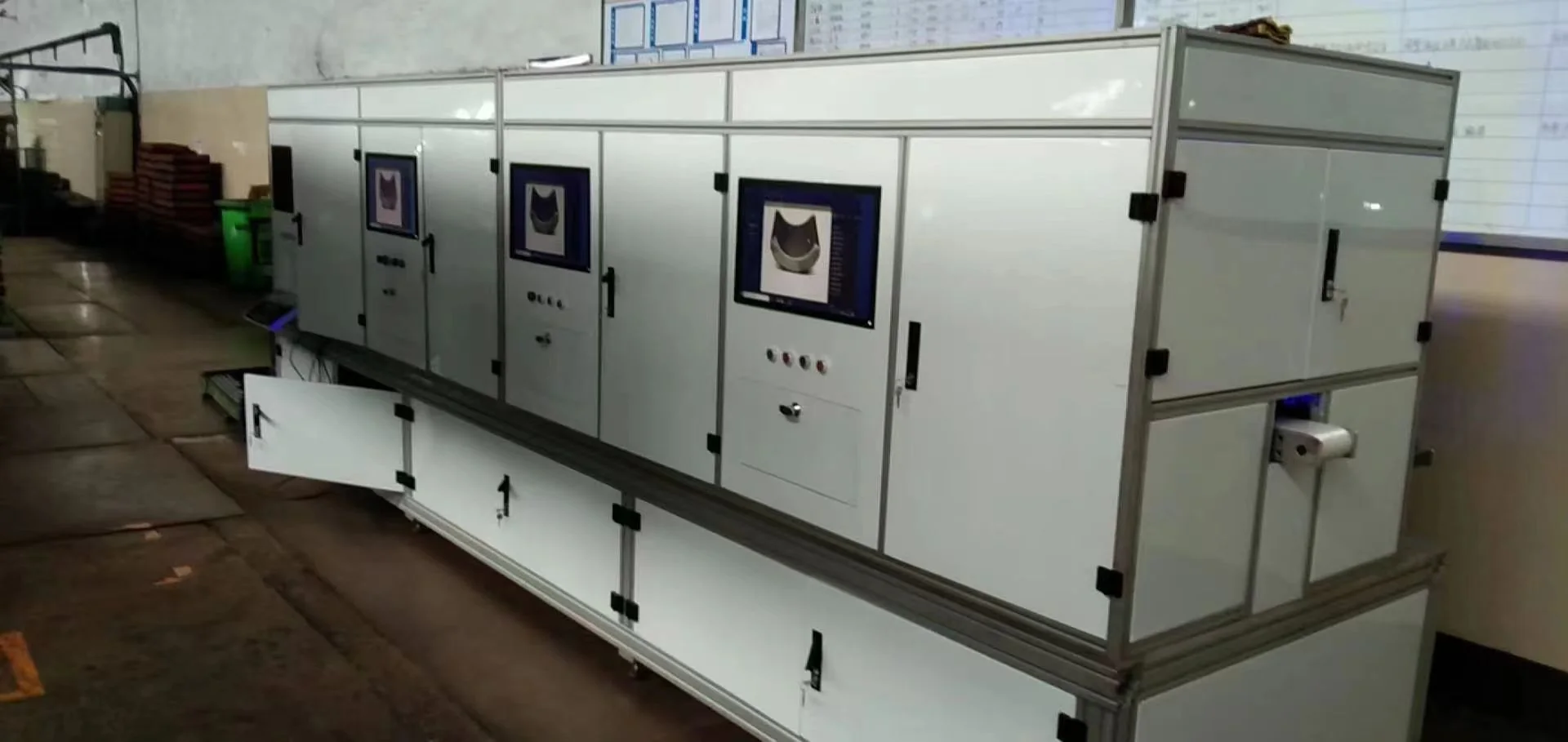
EQPID transformed an engineering-led inspection machine into a more integrated industrial product by reorganizing its overall proportion, functional zones, operator interface, CMF and sheet-metal enclosure architecture.

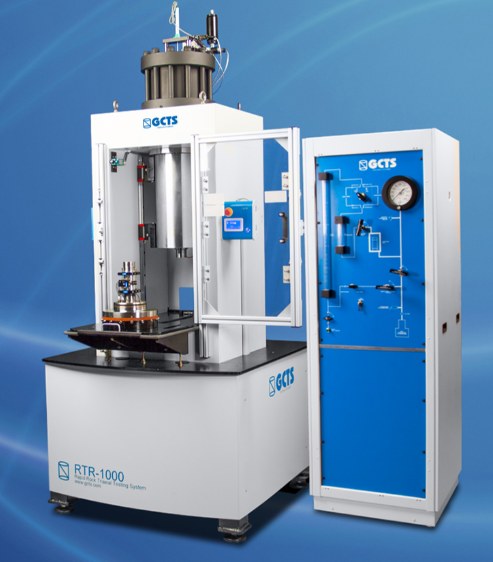
EQPID redesigned a regular triaxial mechanical testing system, transforming an exposed engineering instrument into a tower-form laboratory product with an integrated safety enclosure, observation window, clear brand identity and a flexible CMF system.