CASE STUDY
An exposed engineering mechanism enclosed as a clean laboratory instrument: zoned layout, visible process windows and a single blue thread across the body.
Laboratory equipment rarely begins with a styled rendering. This one began as a bare engineering model. The mechanical layout was complete and rational: control cabinet, motion stage, process chamber, pump unit. Yet nothing about it read as an instrument. The exterior programme's task was to enclose that structure into a product that looks at home in a laboratory, while every function interface and service opening survived intact.
Exposed mechanisms accumulate visually: cabinets, actuators, pumps and frames stack into a pile of parts. Yet an ablation instrument lives beside analysts and sample-prep benches, where users expect cleanliness, reliability and visibility. The design had to convert engineering layout into the presence of a precision instrument.

A light grey-white base carries the laboratory's sense of cleanliness; deep charcoal upper enclosures ground the machine and merge with the dark glazing. A blue thread, from the panel frame to a horizontal band along the flank, runs the length of the body as the strongest identifier. The language stays restrained: quiet, clean, present.
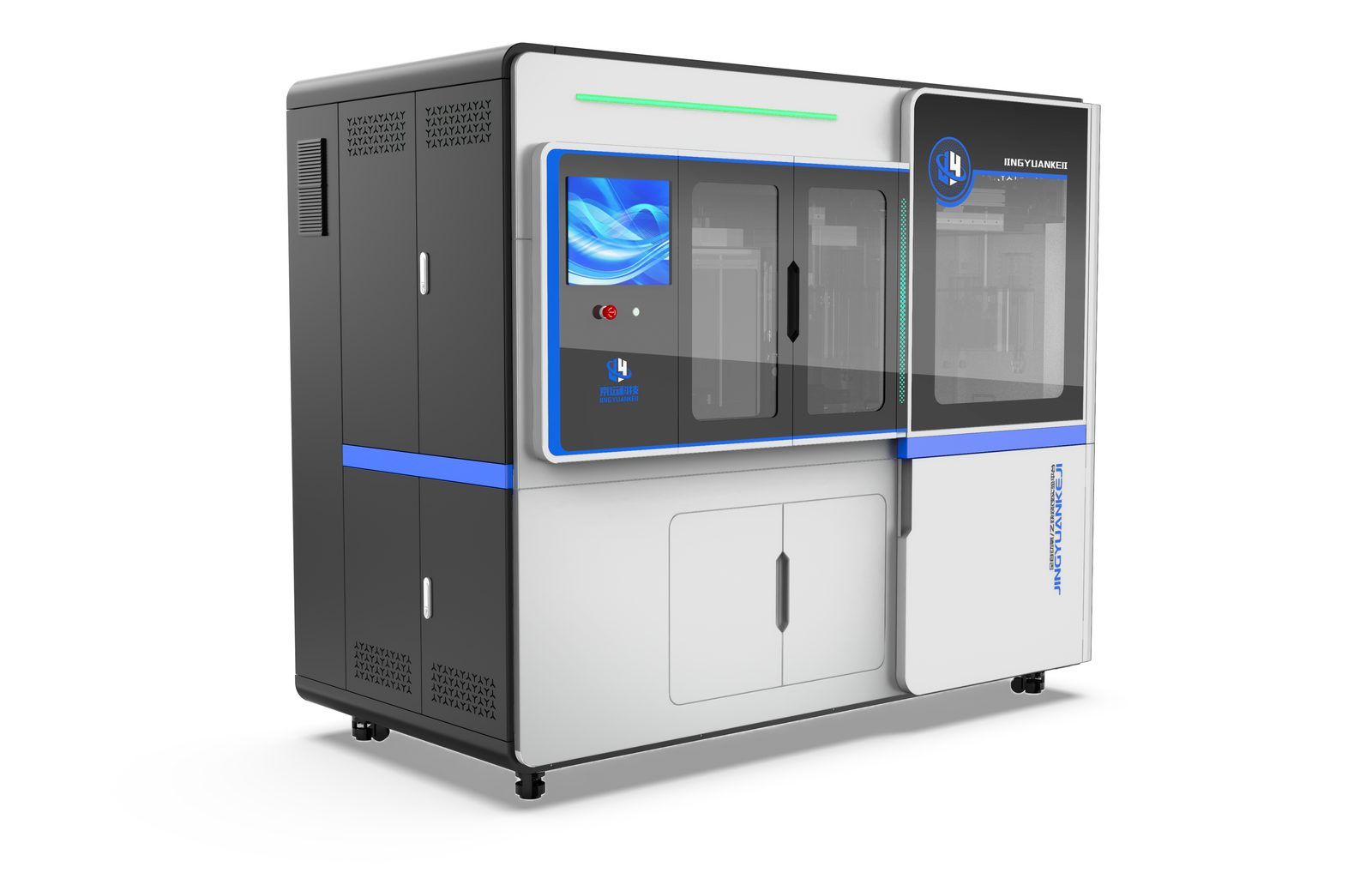
The reference model below shows the starting point: a fully exposed mechanical structure with direct engineering expression. The proposal keeps the same functional layout and reorganises every panel line and enclosure into one coherent instrument form.
The proposal delivers a complete instrument identity with a zoned enclosure system ready for sheet-metal development: panel divisions follow fabrication logic, service and maintenance openings are preserved, and the design intent can move directly into engineering evaluation — expression that survives contact with fabrication.
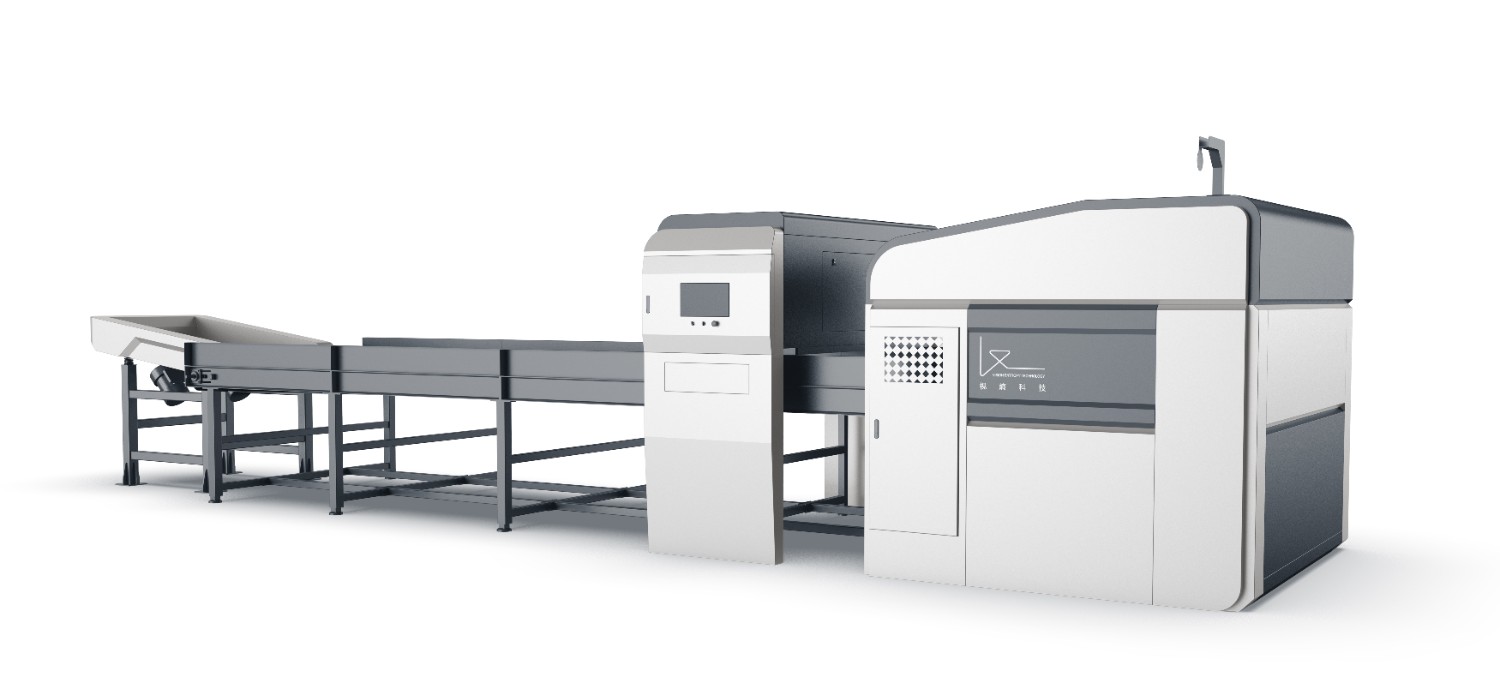
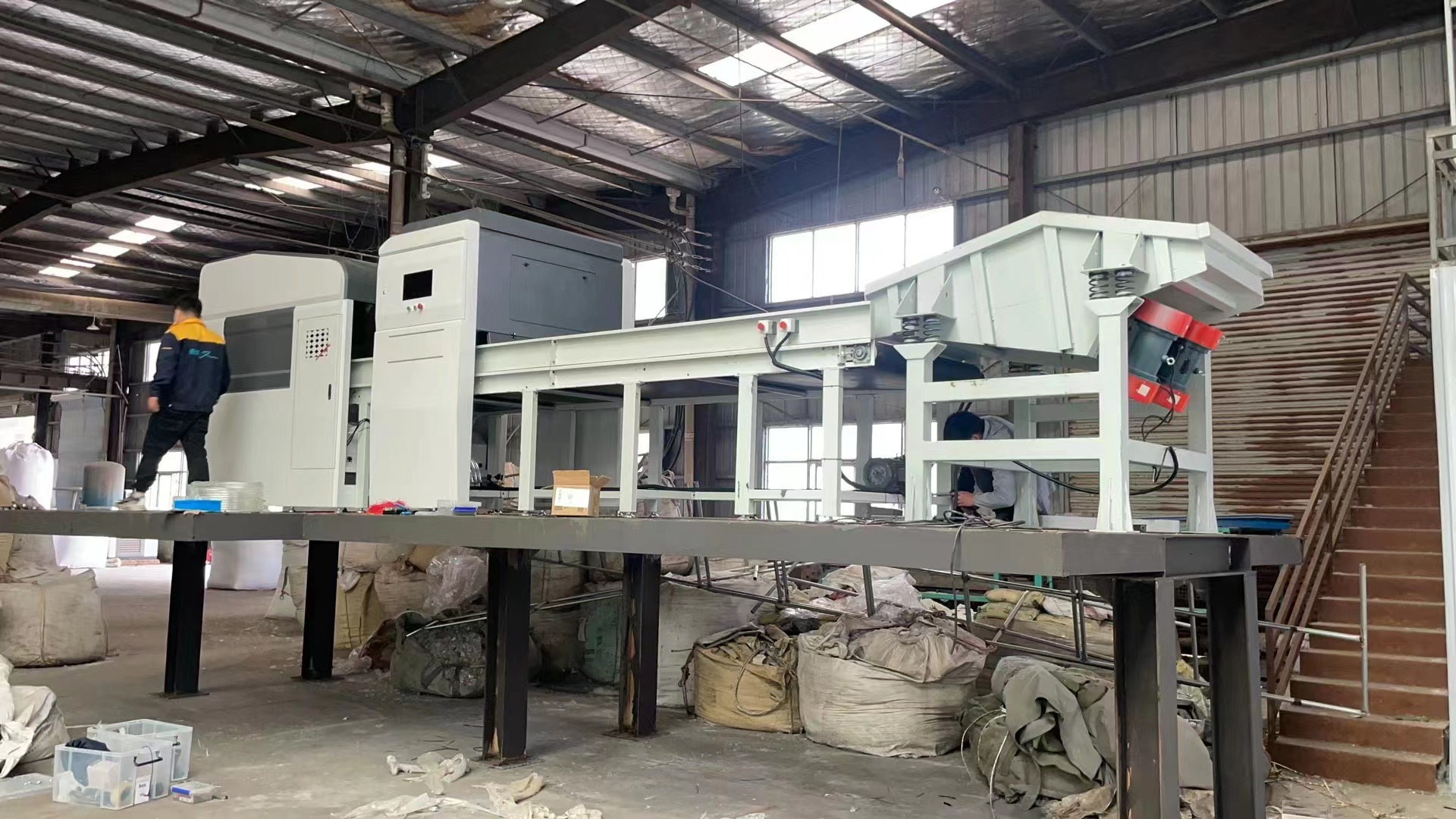
By optimizing the product structure, visual identity, functional organization, and interaction experience, the redesign enhances product recognition, perceived quality, and brand expression while maintaining engineering practicality.
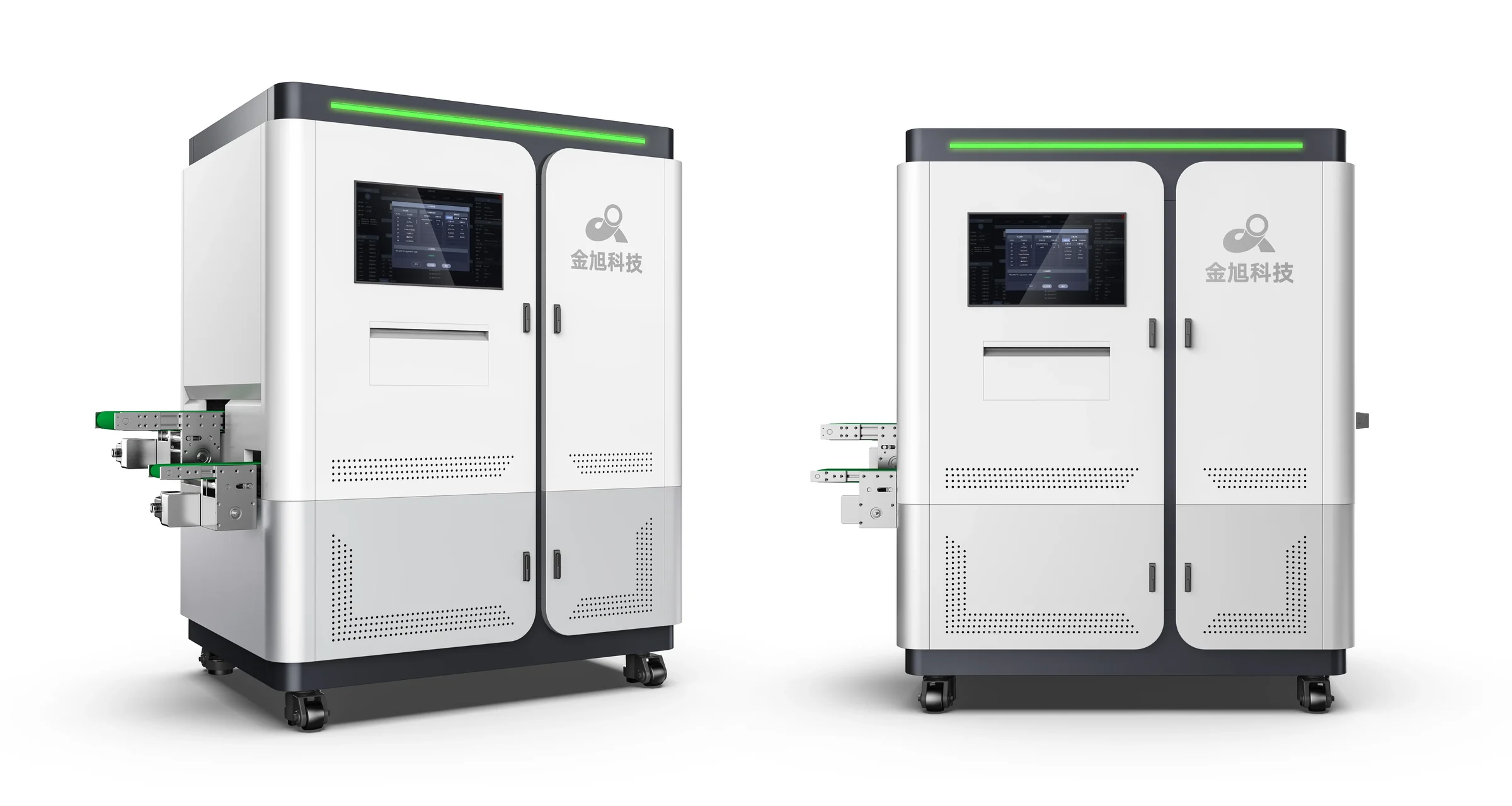
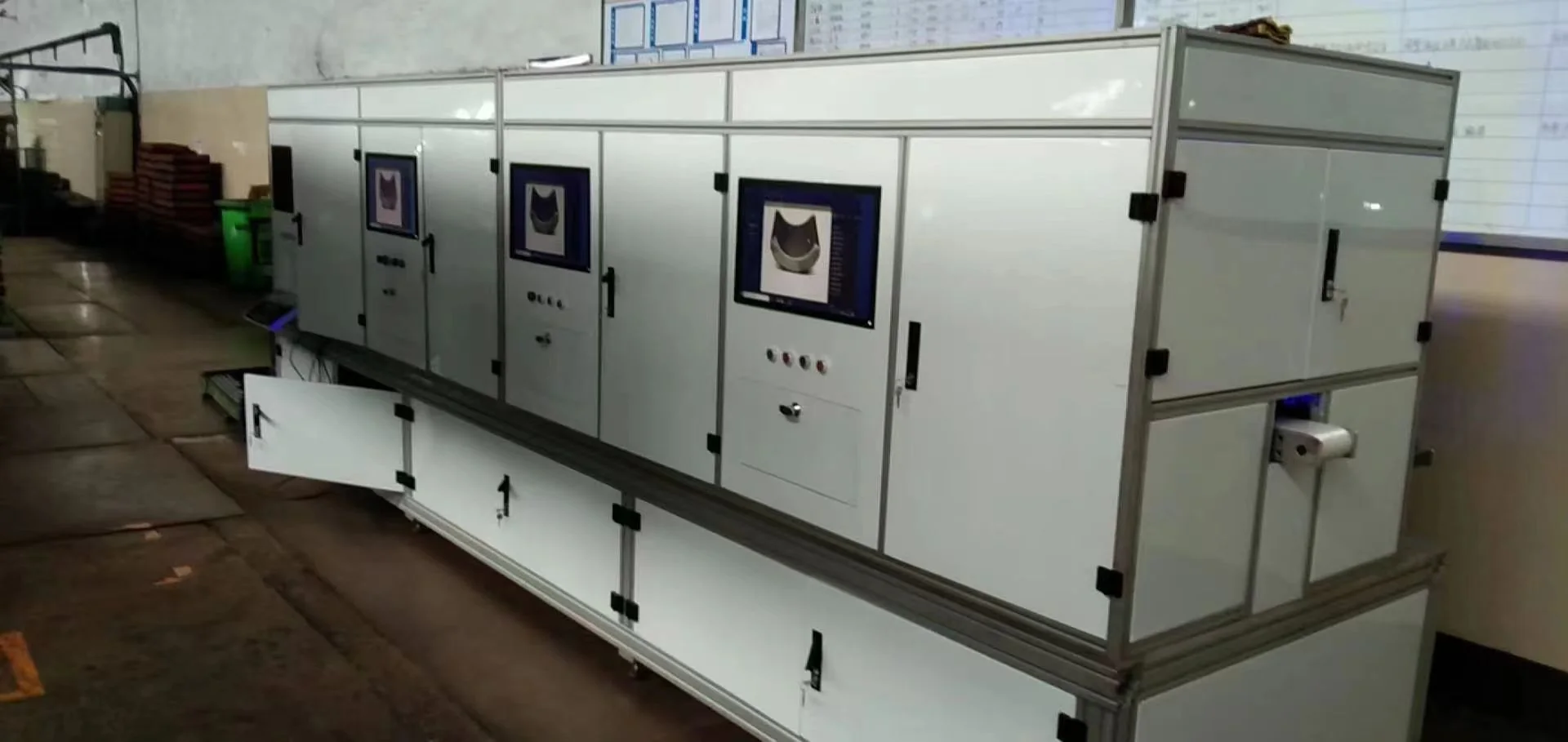
EQPID transformed an engineering-led inspection machine into a more integrated industrial product by reorganizing its overall proportion, functional zones, operator interface, CMF and sheet-metal enclosure architecture.

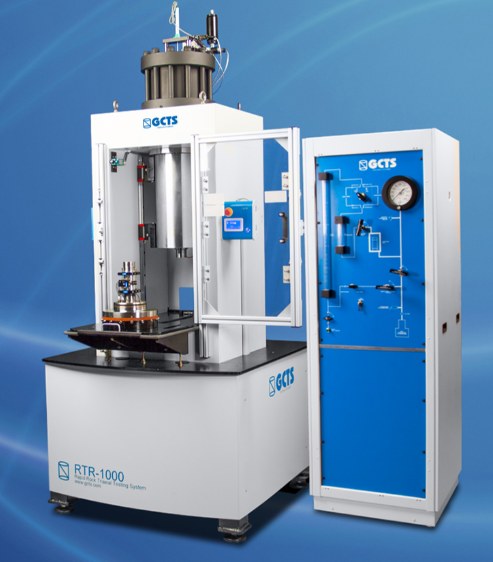
EQPID redesigned a regular triaxial mechanical testing system, transforming an exposed engineering instrument into a tower-form laboratory product with an integrated safety enclosure, observation window, clear brand identity and a flexible CMF system.

Two CMF directions on one shared structure for the GPX Steel-A automatic ferrous sample milling machine: a quiet laboratory-white scheme and a charcoal-and-red main scheme, balancing brand recognition with site adaptation.


Exterior upgrade for the tube combustion furnace of a carbon-sulfur analyzer: an annular heat-dissipation ring on top, a cantilevered tilted touchscreen, and a charcoal functional bay on the front face — three details that make the machine look like the instrument it is.