CASE STUDY
EQPID redesigned a regular triaxial mechanical testing system, transforming an exposed engineering instrument into a tower-form laboratory product with an integrated safety enclosure, observation window, clear brand identity and a flexible CMF system.
A conventional triaxial testing system, rebuilt as a laboratory product. For the TCTS-1000, the redesign moved an exposed, function-complete instrument into a single tower-form enclosure — safer to operate, easier to recognize, and ready to grow into a product family.
The original instrument followed a classic laboratory configuration: an exposed loading frame with a central pressure chamber, an open specimen platform, and a separate blue control cabinet carrying valves, gauges and tubing.
Every function was in place. But the system read as a collection of engineering components rather than a single laboratory product — and it carried none of the client’s own brand.
Three problems defined the brief:
The redesign reorganizes the system into a single vertical tower. The pressure chamber sits behind a large observation window that keeps the specimen in full view — turning the safety enclosure into a visual centerpiece instead of a cover.

The TCTS-1000 tower form: dark brand header, orange identity strip, and a four-variant CMF system on one product architecture.
A dark top header carries the brand; a vertical orange strip with the TCTS-1000 lettering gives the tower a clear direction of reading. The base is resolved as a graphite plinth with ventilation cutouts and concealed casters, hiding the engineering details of the floor interface.
The CMF system — white primary surfaces, graphite structural zones, controlled orange accents — is deliberately organized as variants, so one architecture can serve different laboratory environments and positioning levels.
An exposed testing instrument became a tower-form laboratory product: easier to recognize, safer to use, and ready to extend.
The observation window keeps the chamber visible at all times; the integrated enclosure improves safety without adding operating steps, and service access is preserved inside the tower layout.
A single tower silhouette replaces scattered components. Dark header, orange identity strip and window proportion work at laboratory distance; the restrained CMF stays credible up close.
Planar sheet-metal panels, straight bends and a standard glass window, with part divisions aligned to functional modules — fully compatible with conventional fabrication and future product extensions.
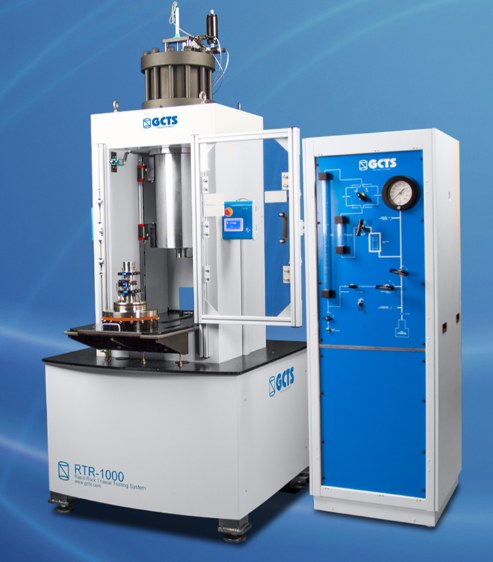
Before: an exposed engineering frame with a separate control cabinet — complete, but visually fragmented.
After: one unified tower product with an integrated enclosure, clear identity and a flexible CMF system.
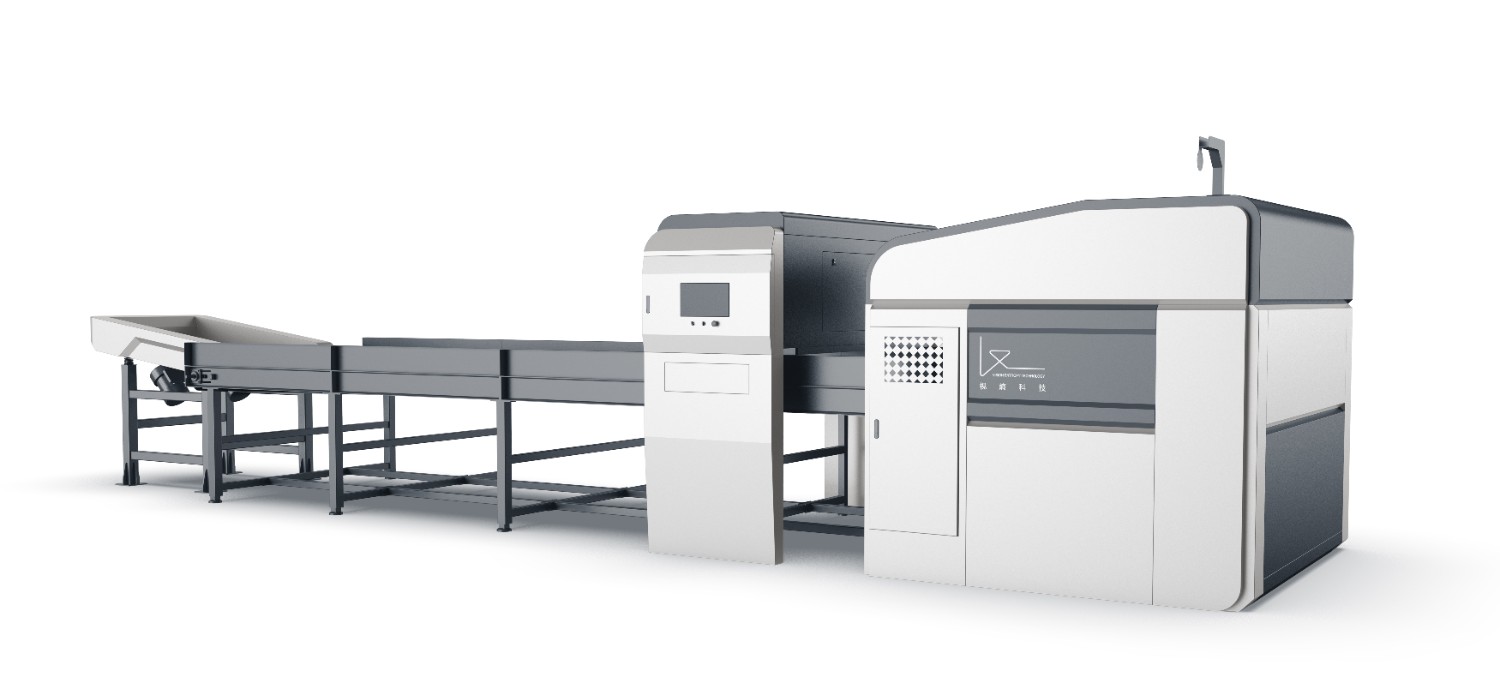
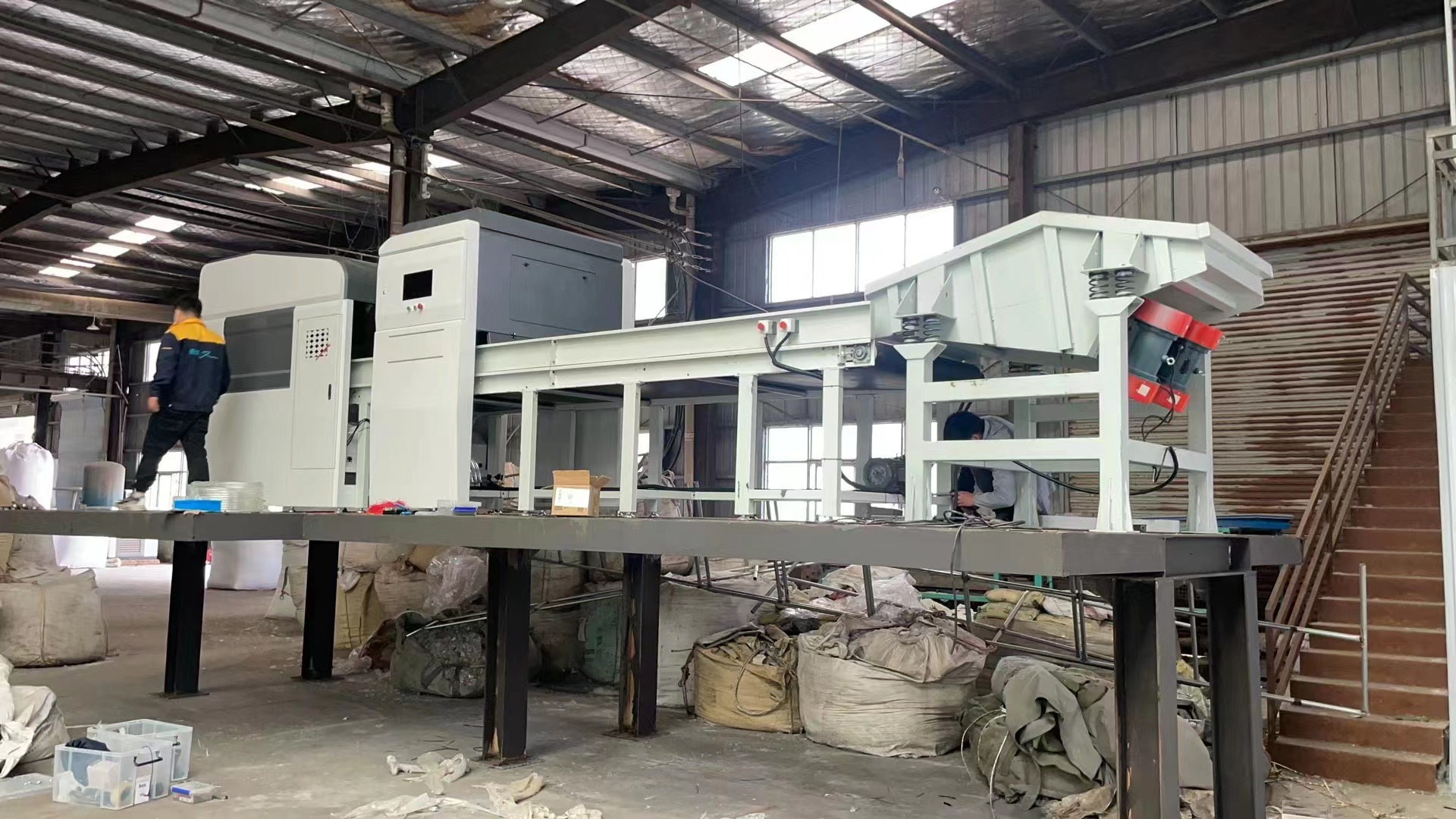
By optimizing the product structure, visual identity, functional organization, and interaction experience, the redesign enhances product recognition, perceived quality, and brand expression while maintaining engineering practicality.
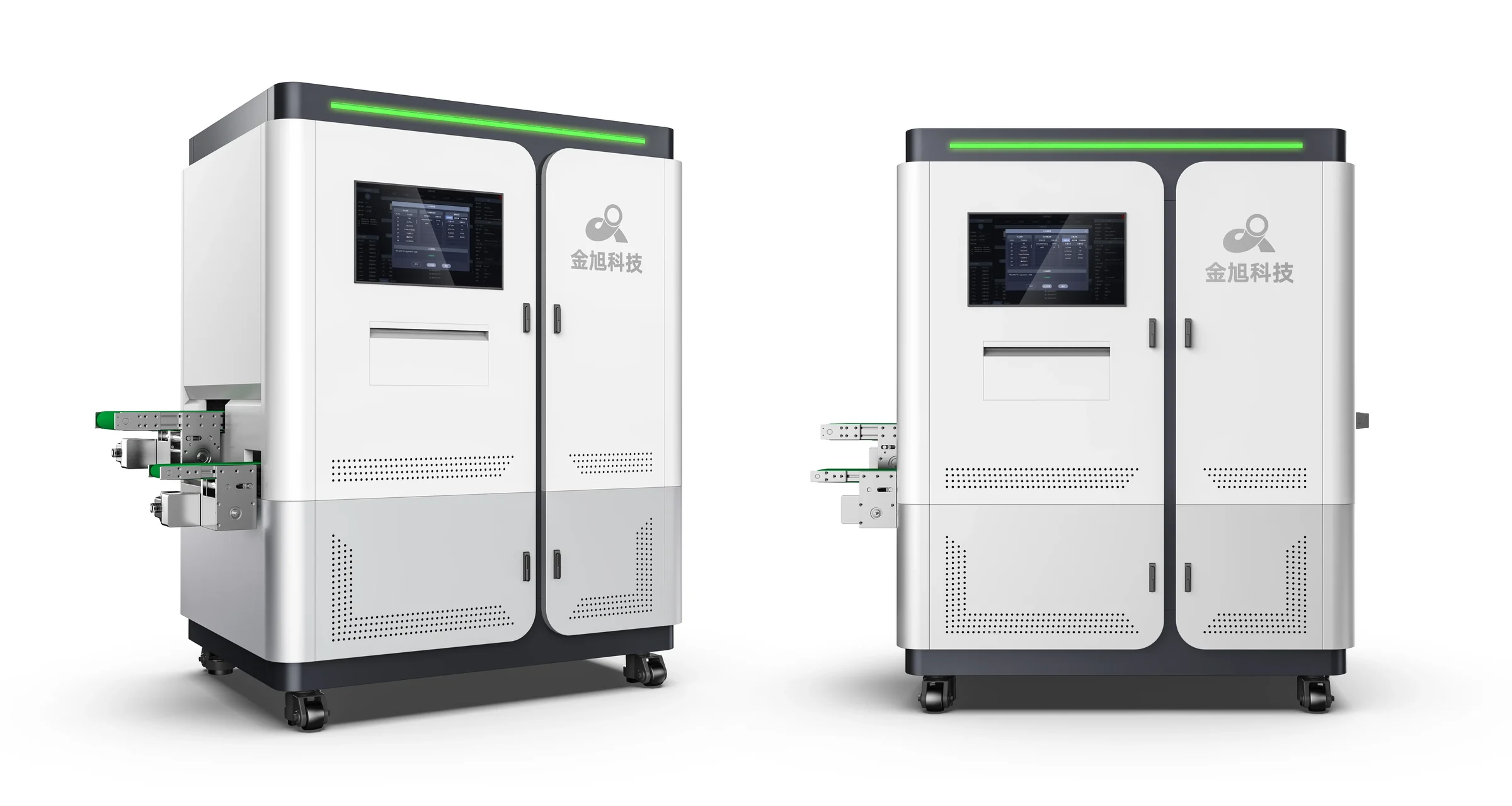
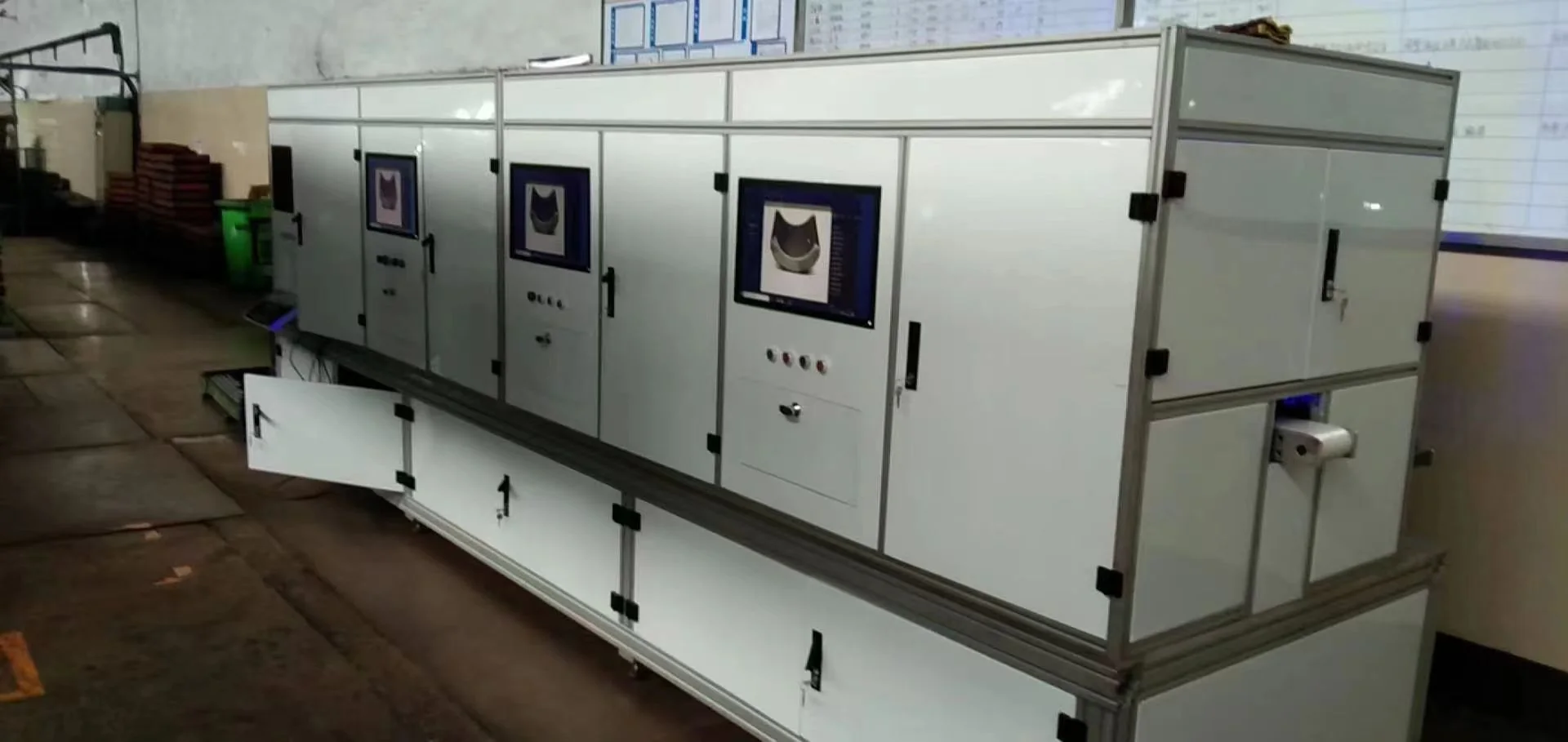
EQPID transformed an engineering-led inspection machine into a more integrated industrial product by reorganizing its overall proportion, functional zones, operator interface, CMF and sheet-metal enclosure architecture.
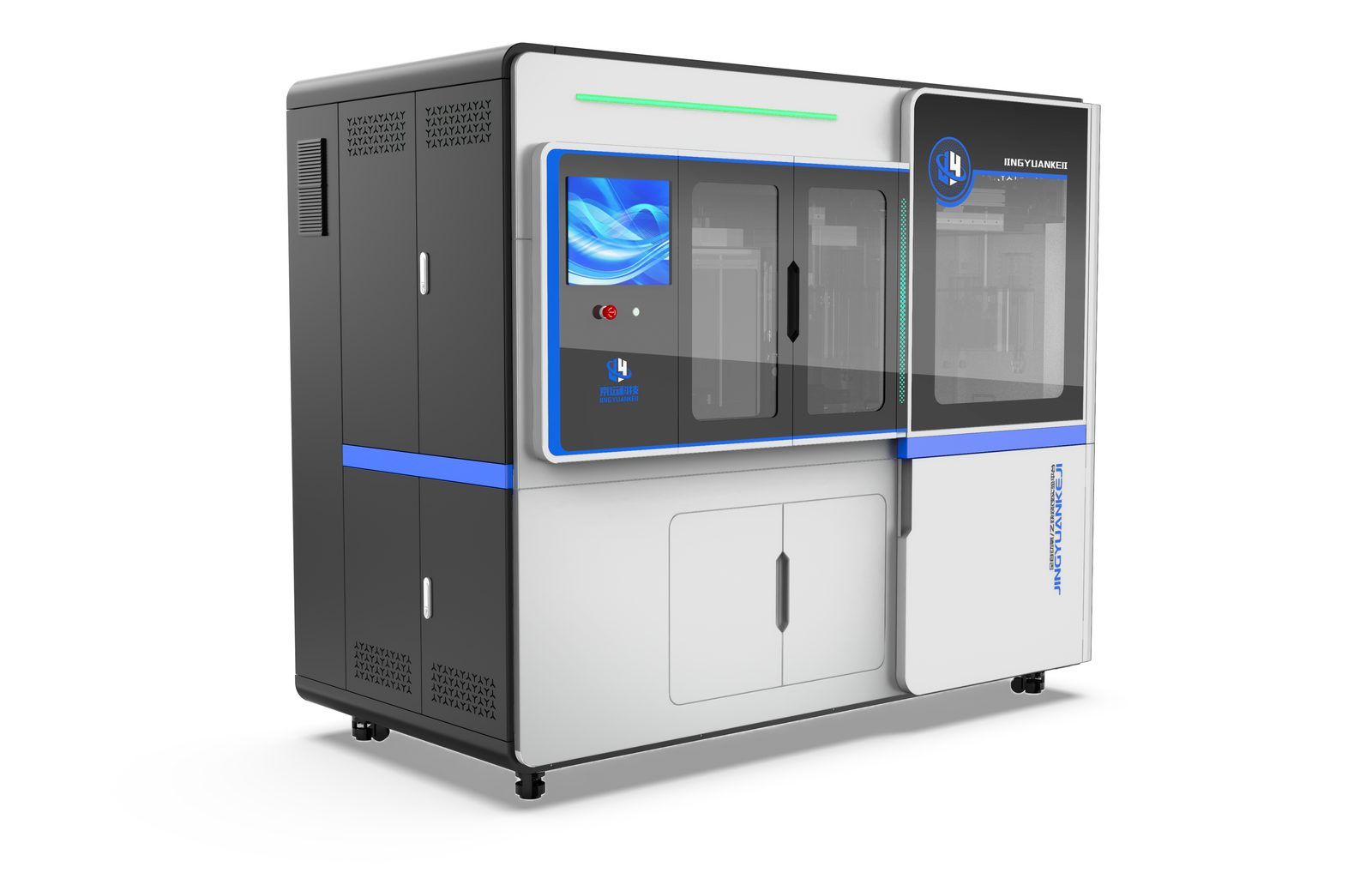

An exposed engineering mechanism enclosed as a clean laboratory instrument: zoned layout, visible process windows and a single blue thread across the body.

Two CMF directions on one shared structure for the GPX Steel-A automatic ferrous sample milling machine: a quiet laboratory-white scheme and a charcoal-and-red main scheme, balancing brand recognition with site adaptation.


Exterior upgrade for the tube combustion furnace of a carbon-sulfur analyzer: an annular heat-dissipation ring on top, a cantilevered tilted touchscreen, and a charcoal functional bay on the front face — three details that make the machine look like the instrument it is.