CASE STUDY
EQPID transformed an engineering-led inspection machine into a more integrated industrial product by reorganizing its overall proportion, functional zones, operator interface, CMF and sheet-metal enclosure architecture.
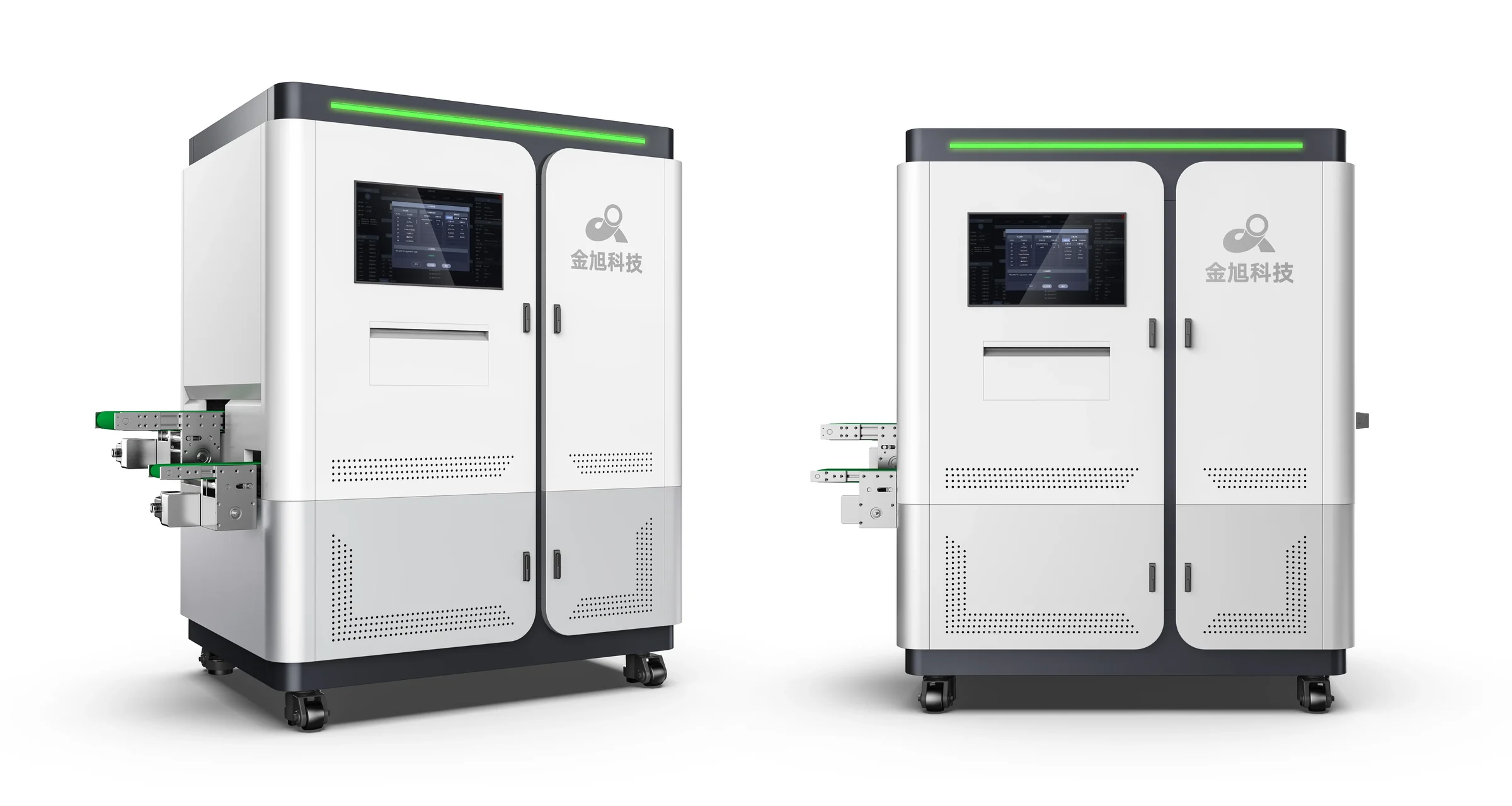
EQPID redesigned the exterior and product identity of an industrial inspection system, transforming an engineering-driven enclosure into a more coherent and professional piece of equipment.
The project focused on reorganizing overall proportions, functional zones, access panels, the operator interface, CMF and brand presentation while remaining grounded in practical manufacturing requirements.
Industrial inspection equipment often combines inspection modules, control systems, operator interfaces, maintenance access and material-handling mechanisms within a single machine.
As these functional elements accumulate, the exterior can easily become fragmented when the product is developed primarily around engineering assembly requirements.
The objective of this project was therefore not to add decorative styling, but to reorganize the relationship between engineering functions and the product exterior so that the machine could communicate a clearer and more complete product identity.
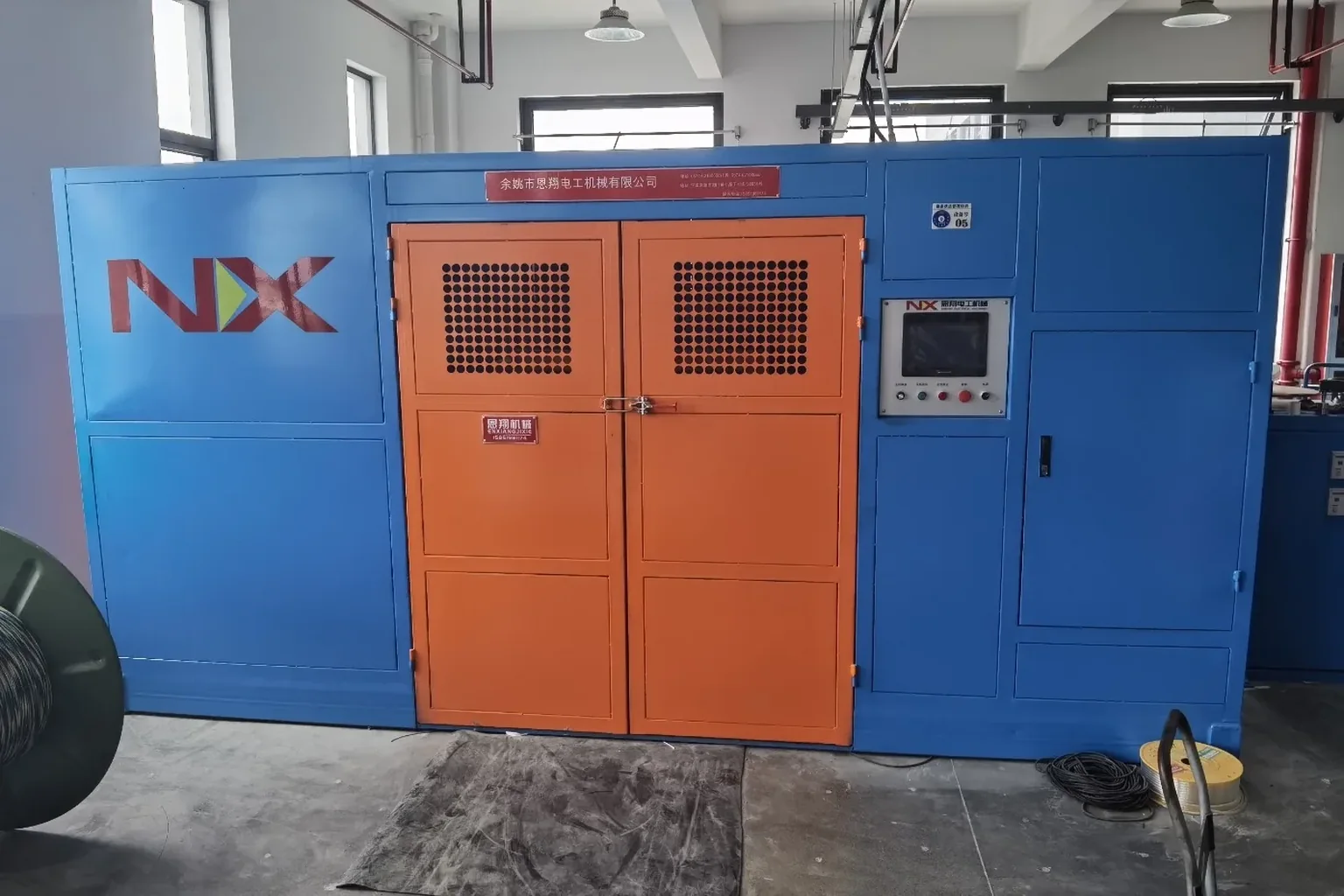
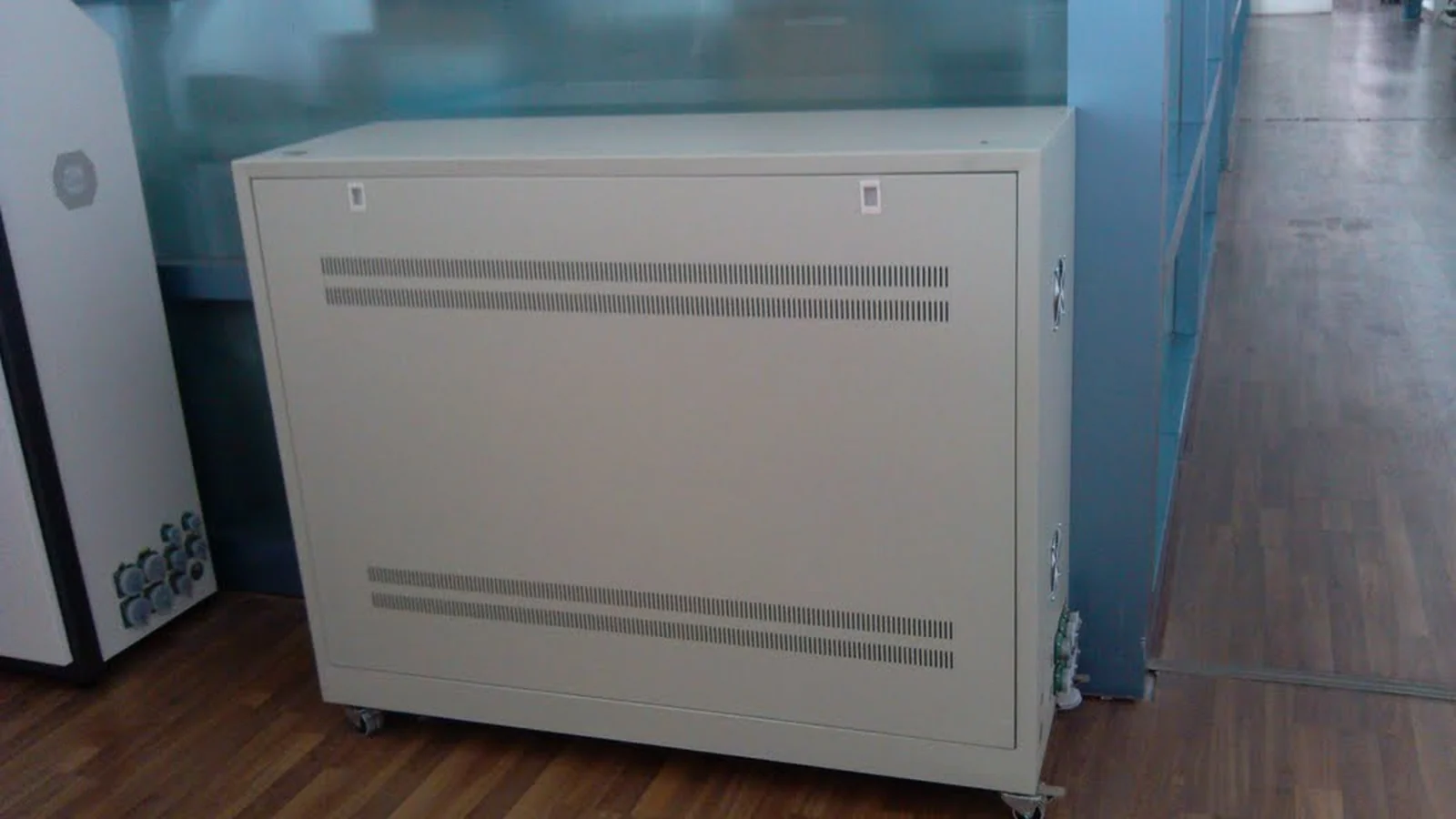
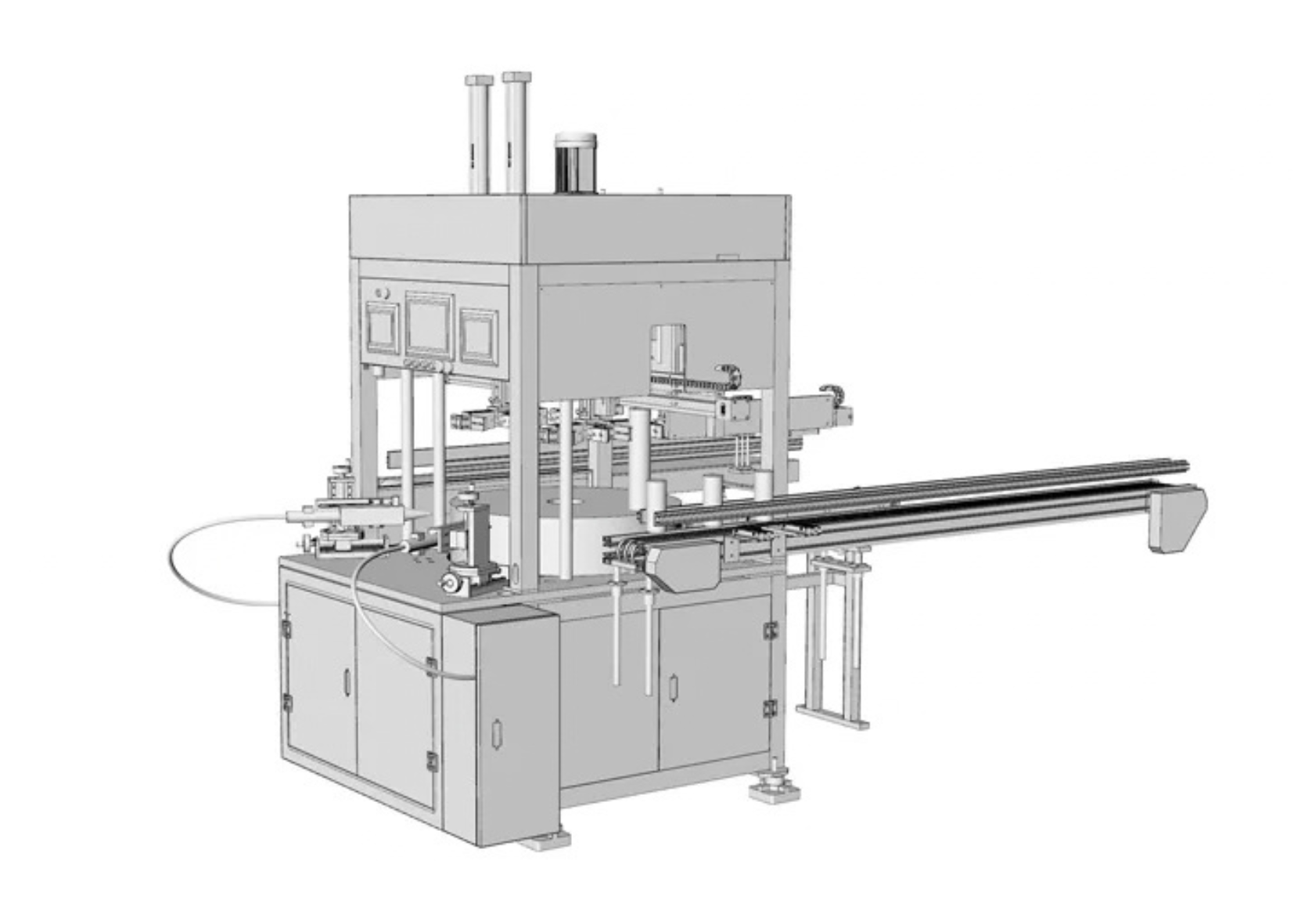
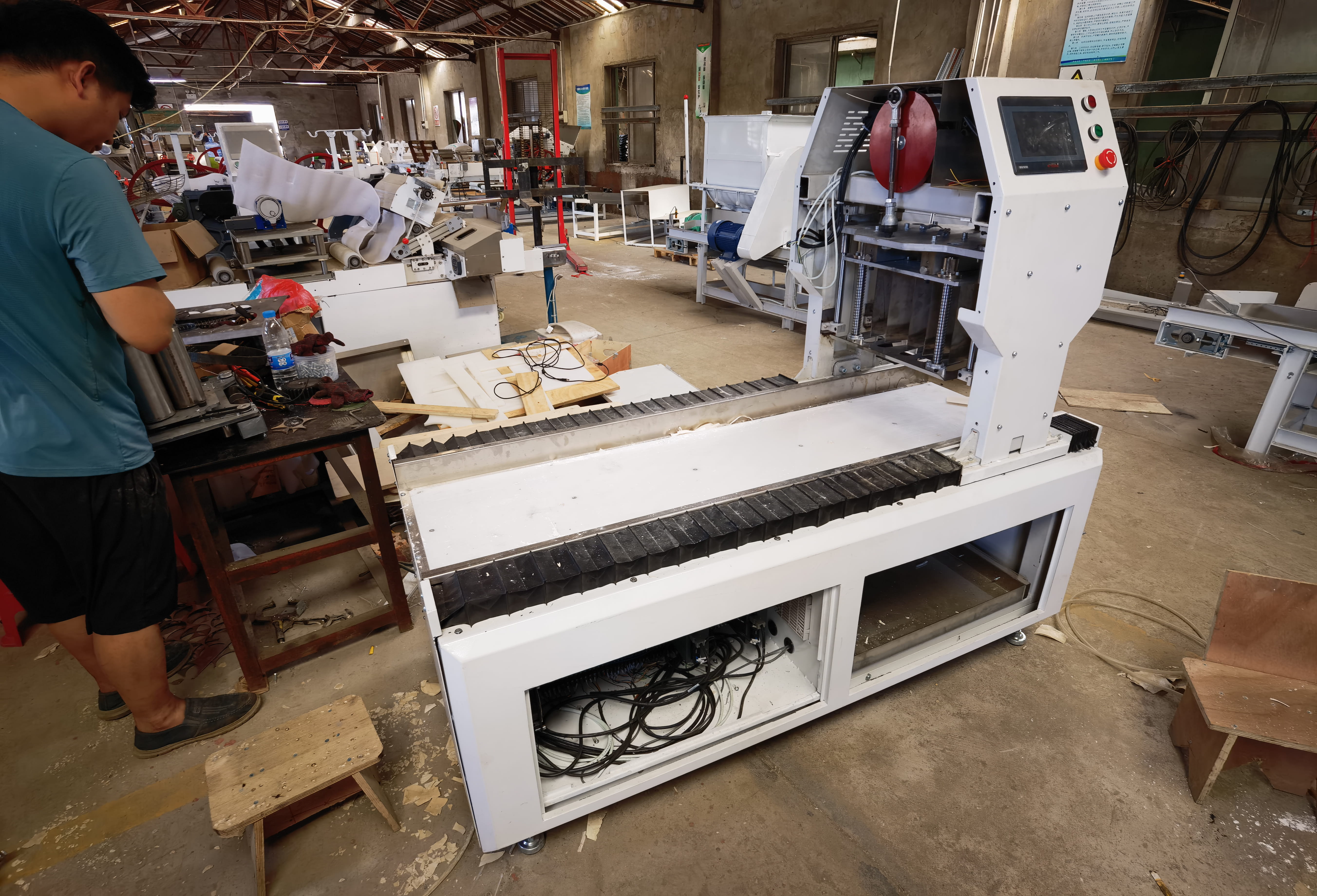
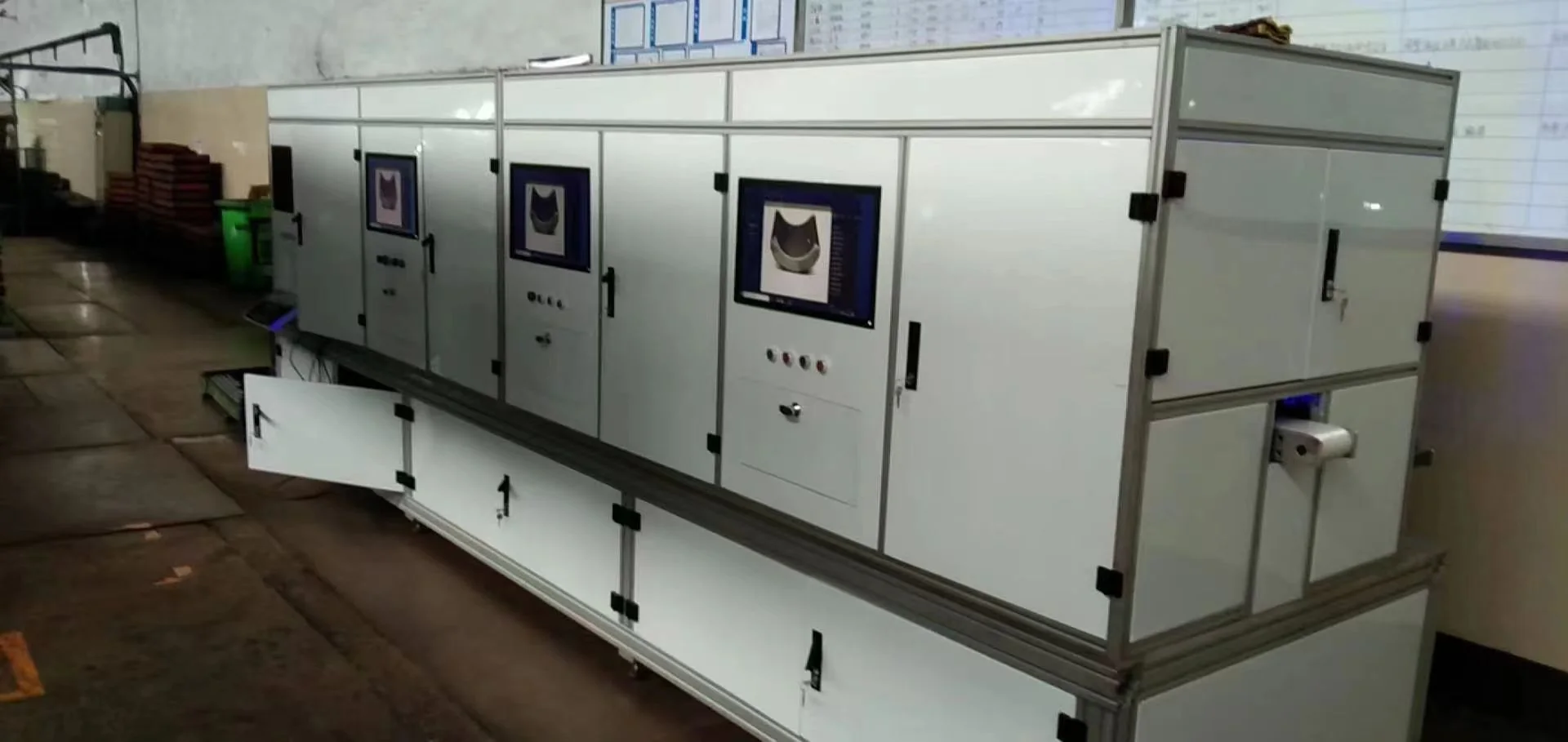
The original equipment relied heavily on exposed structural framing and independently arranged enclosure panels. Although functional, the different modules lacked a strong visual relationship and the machine appeared more like an assembled engineering system than a unified product.
For inspection equipment, the exterior needs to communicate precision and professionalism while clearly organizing the interface, access areas and main equipment body.
At the same time, the new design language had to remain compatible with practical requirements such as sheet-metal fabrication, access doors, ventilation, mobility and maintenance.
The core challenge was therefore to balance function, product expression and manufacturability rather than simply creating a different shape.
The redesign began by establishing a stronger overall visual framework.
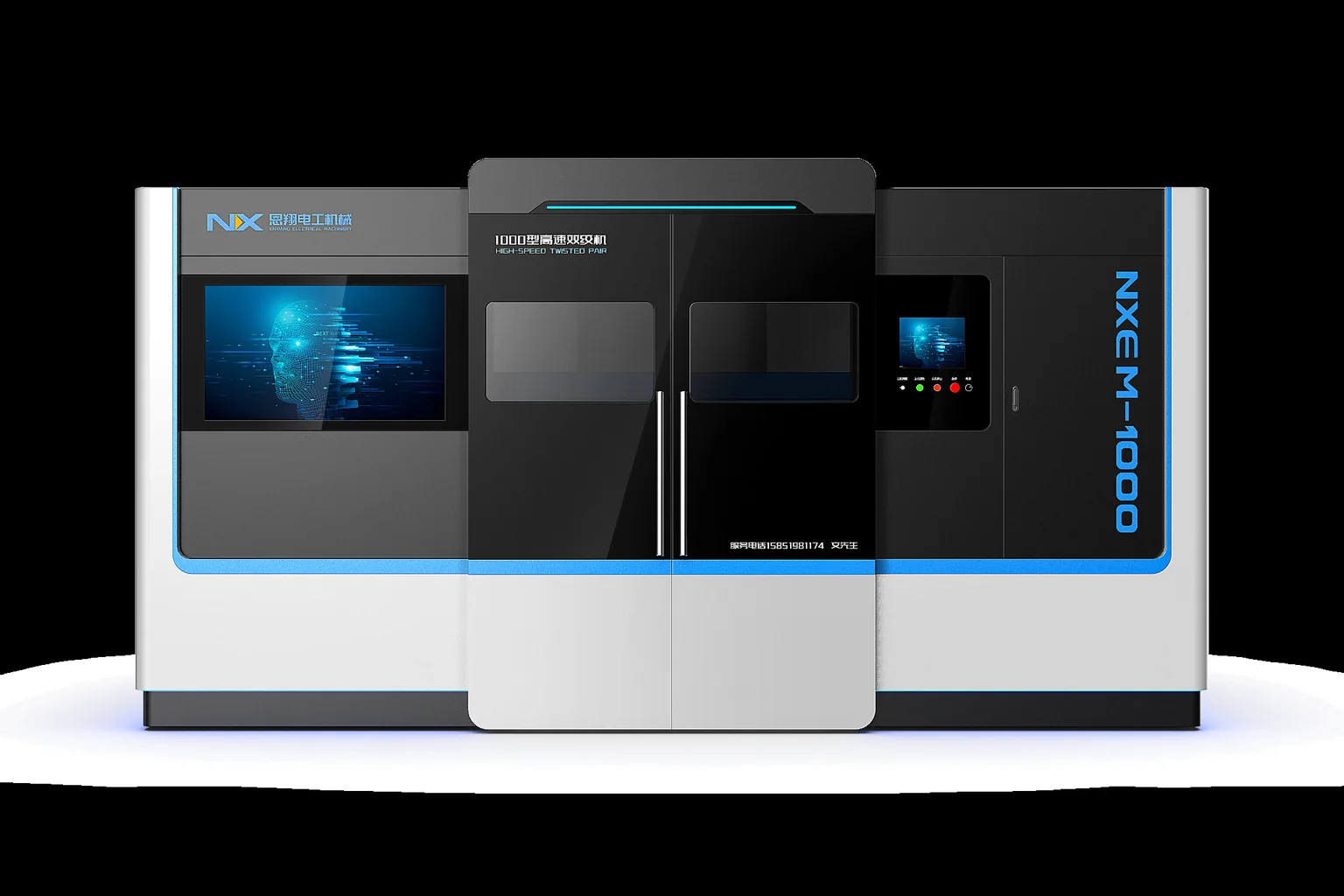
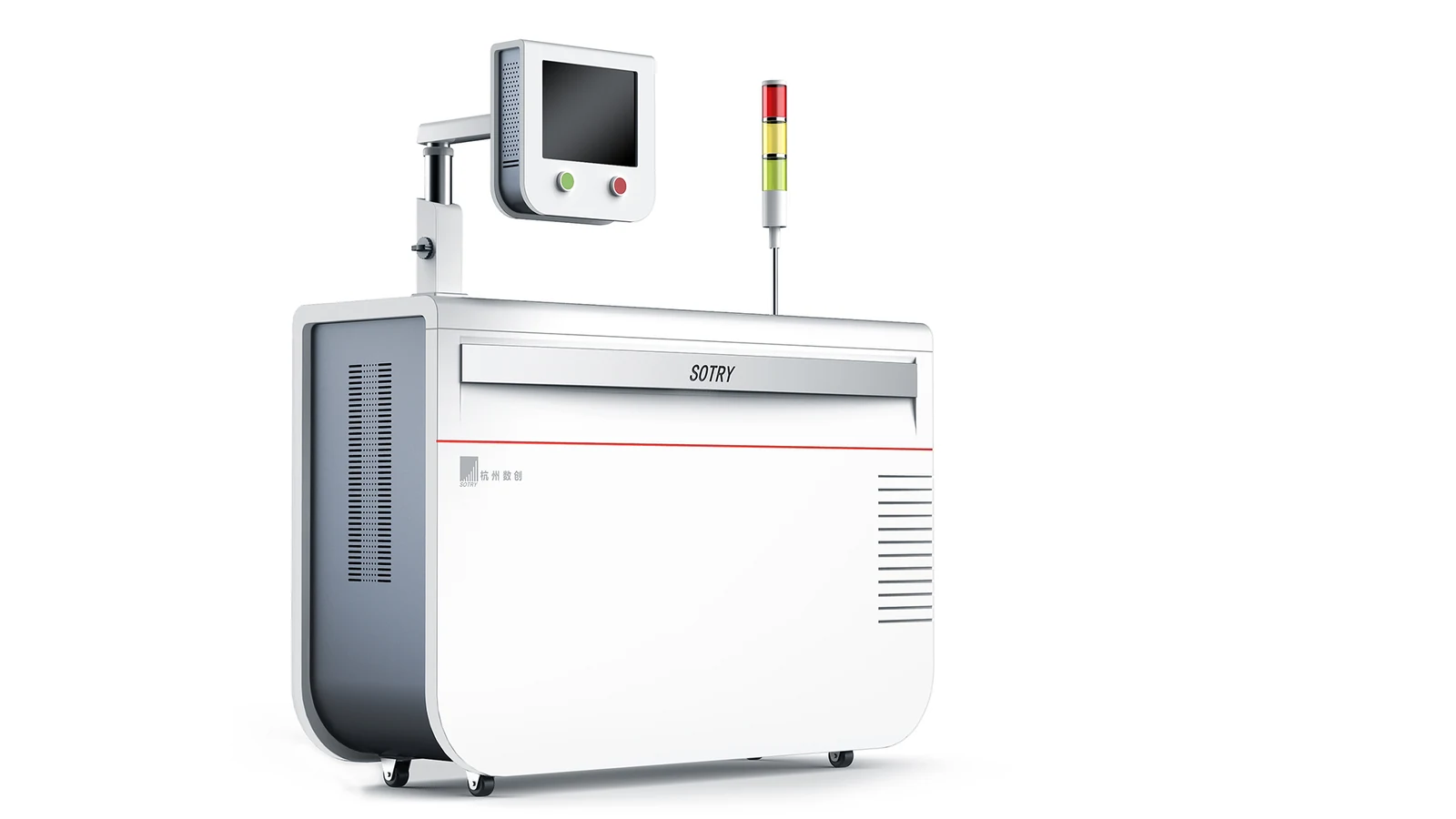
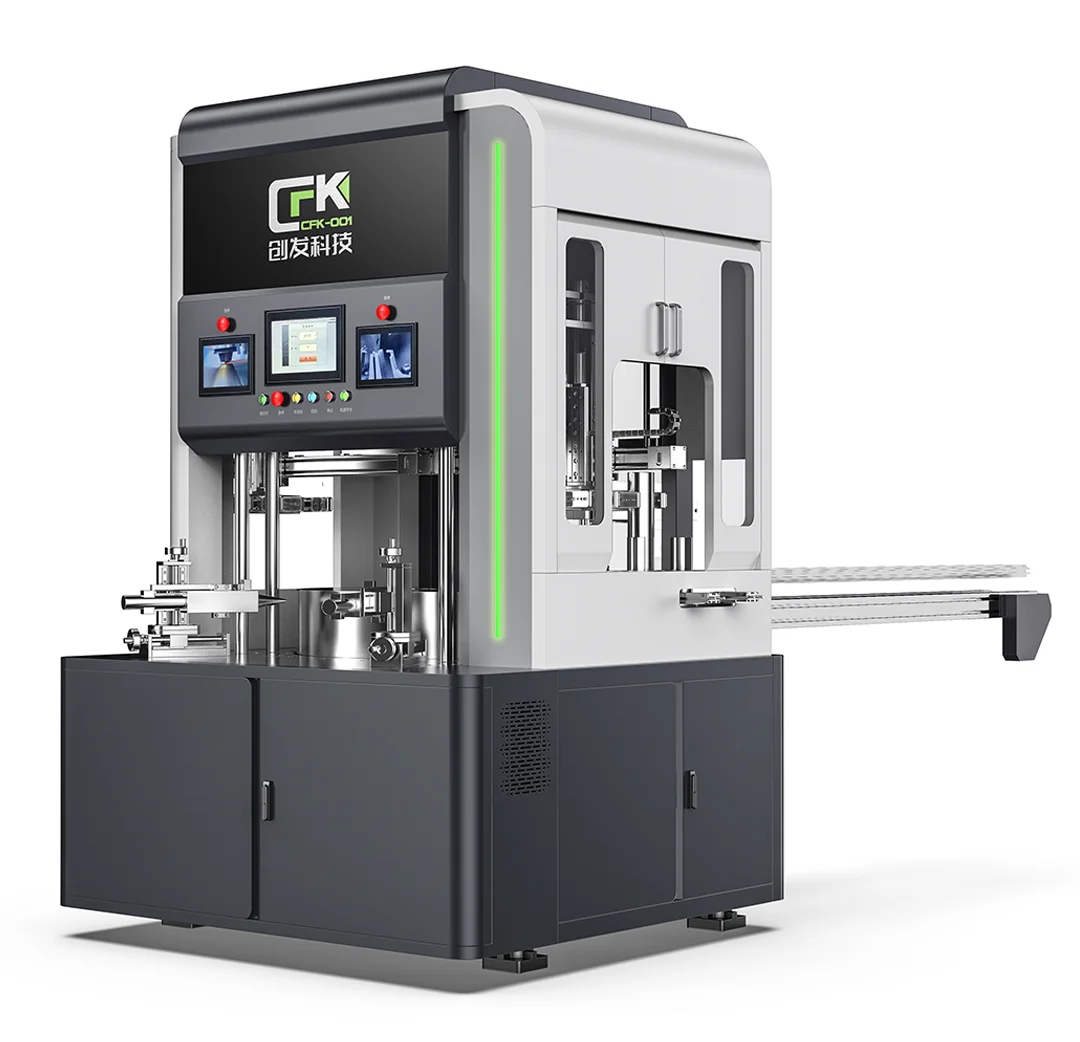
Dark upper and lower sections create clear boundaries around the machine, while large light-colored surfaces visually consolidate the central equipment body and reduce the fragmented appearance typically created by multiple internal engineering modules.
On the front elevation, the display, operating area, brand identification and service doors are organized into a consistent vertical structure.
Large-radius panel geometry and continuous vertical divisions reduce visual fragmentation and help the machine read as one integrated product rather than a collection of individual cabinet panels.
A linear status light is integrated into the upper profile. In addition to communicating equipment status, it becomes a recognizable visual feature of the product.
Ventilation openings are also incorporated into the overall graphic and panel composition instead of appearing as isolated technical details, allowing functional requirements to become part of the product language.
From an SIDM perspective, this project focuses on bringing product expression and manufacturing feasibility into the same design system.
Good to Look At. Overall proportion, functional organization, CMF, panel relationships and detail control are used to move the machine from an engineering-combination appearance toward a more complete product expression.
Good to Manufacture. The exterior is developed through practical panel, door and sheet-metal relationships rather than unnecessary decorative complexity, leaving a realistic path toward fabrication and assembly.
The available project material does not include verified user-task records, final production photographs or measured manufacturing outcomes, so this case does not claim unverified improvements in operating efficiency, maintenance efficiency or manufacturing cost.
The redesigned equipment presents a more unified silhouette, clearer front-panel hierarchy and stronger overall product identity.
The display, access doors, status lighting, ventilation and brand identification are no longer treated as unrelated engineering elements. Instead, they work together as parts of a consistent product language.
The design establishes a more precise, restrained and professional appearance while creating a foundation that could be extended to future inspection equipment within the same product family.