CASE STUDY
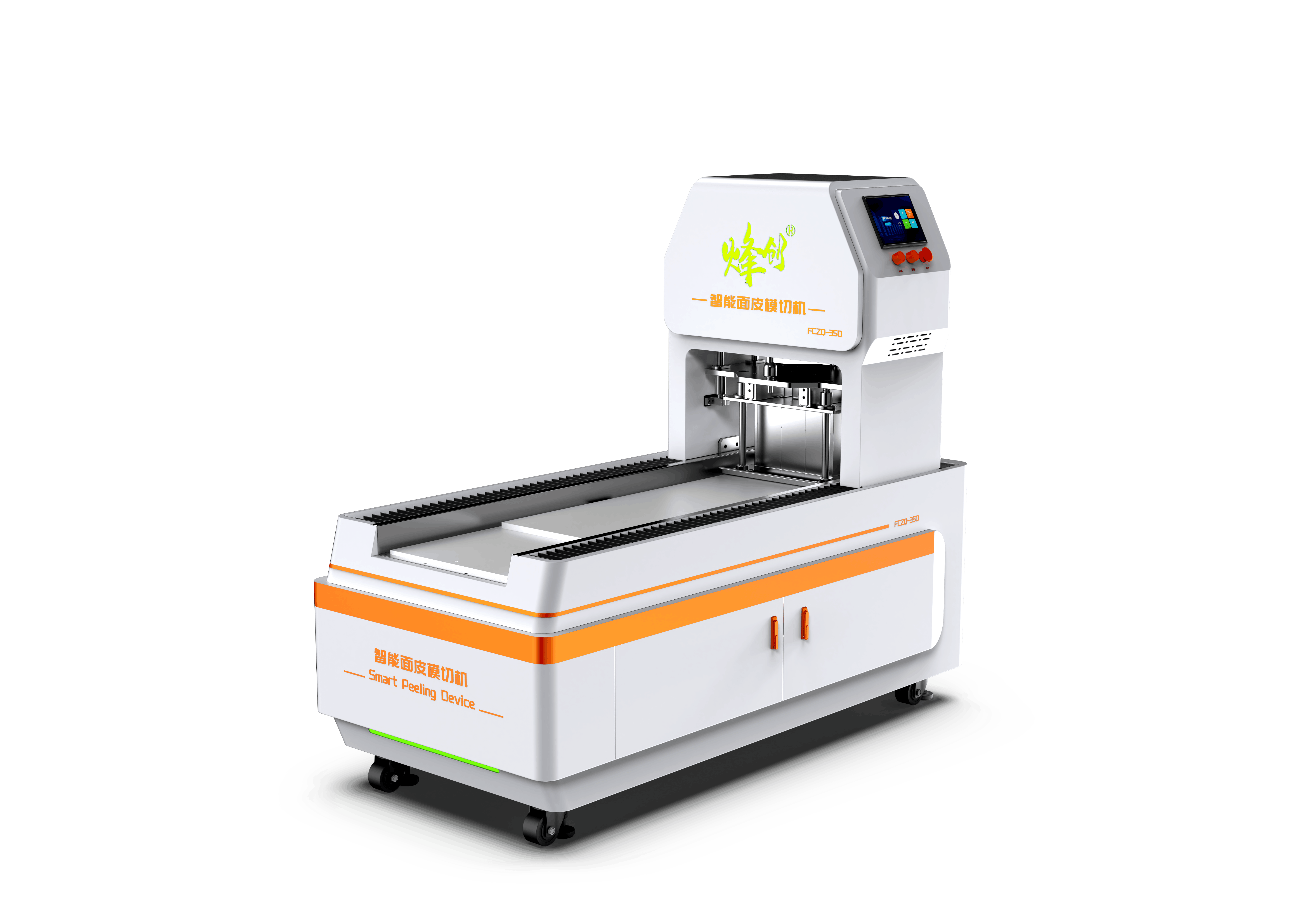
By optimizing the product structure, visual identity, functional organization, and interaction experience, the redesign enhances product recognition, perceived quality, and brand expression while maintaining engineering practicality.
The identification robot is an intelligent automation device designed for industrial inspection and recognition applications. With the development of smart manufacturing, industrial robots are no longer only evaluated by their technical performance, but also by how effectively they communicate reliability, intelligence, and professional value to customers.
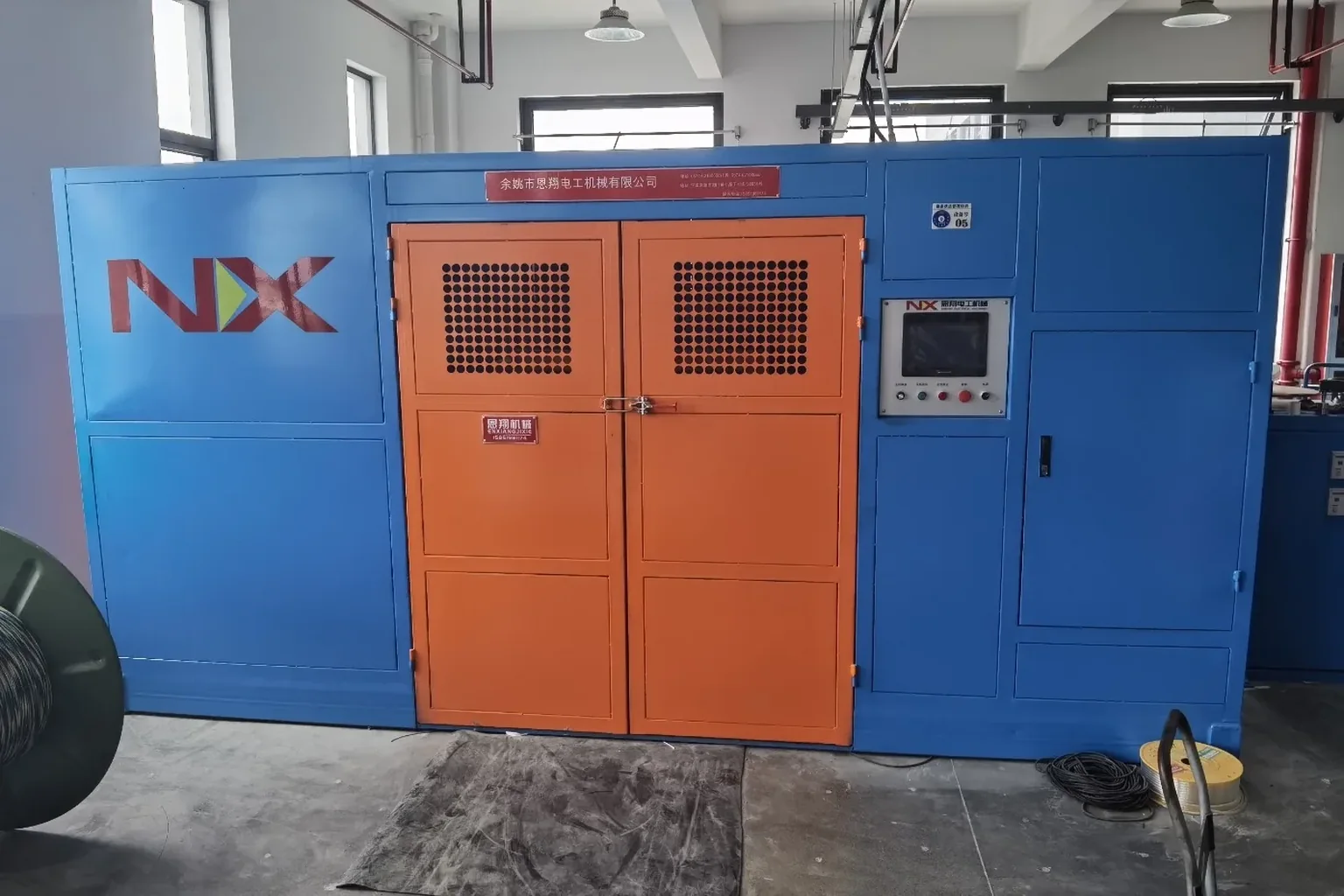
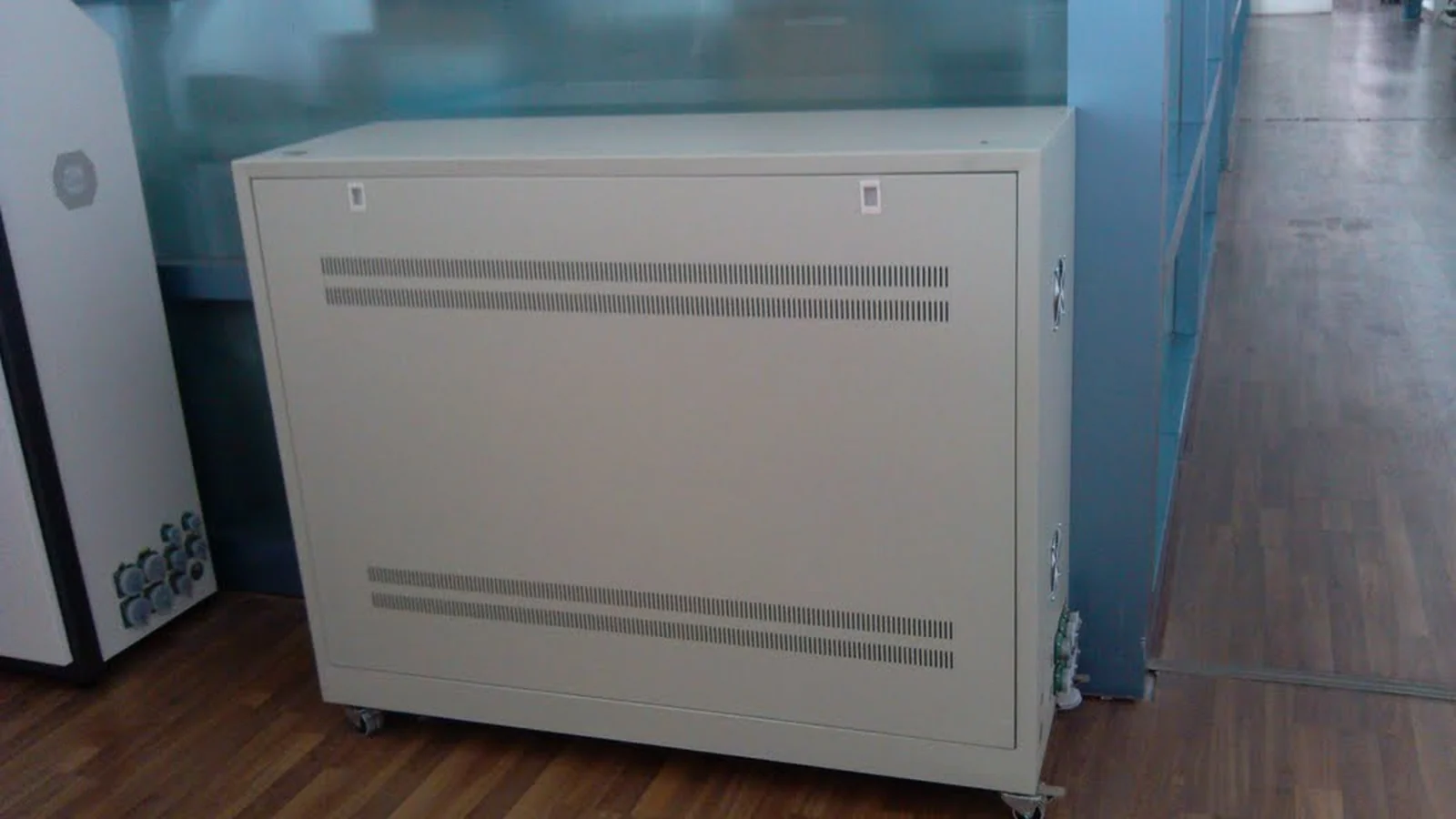
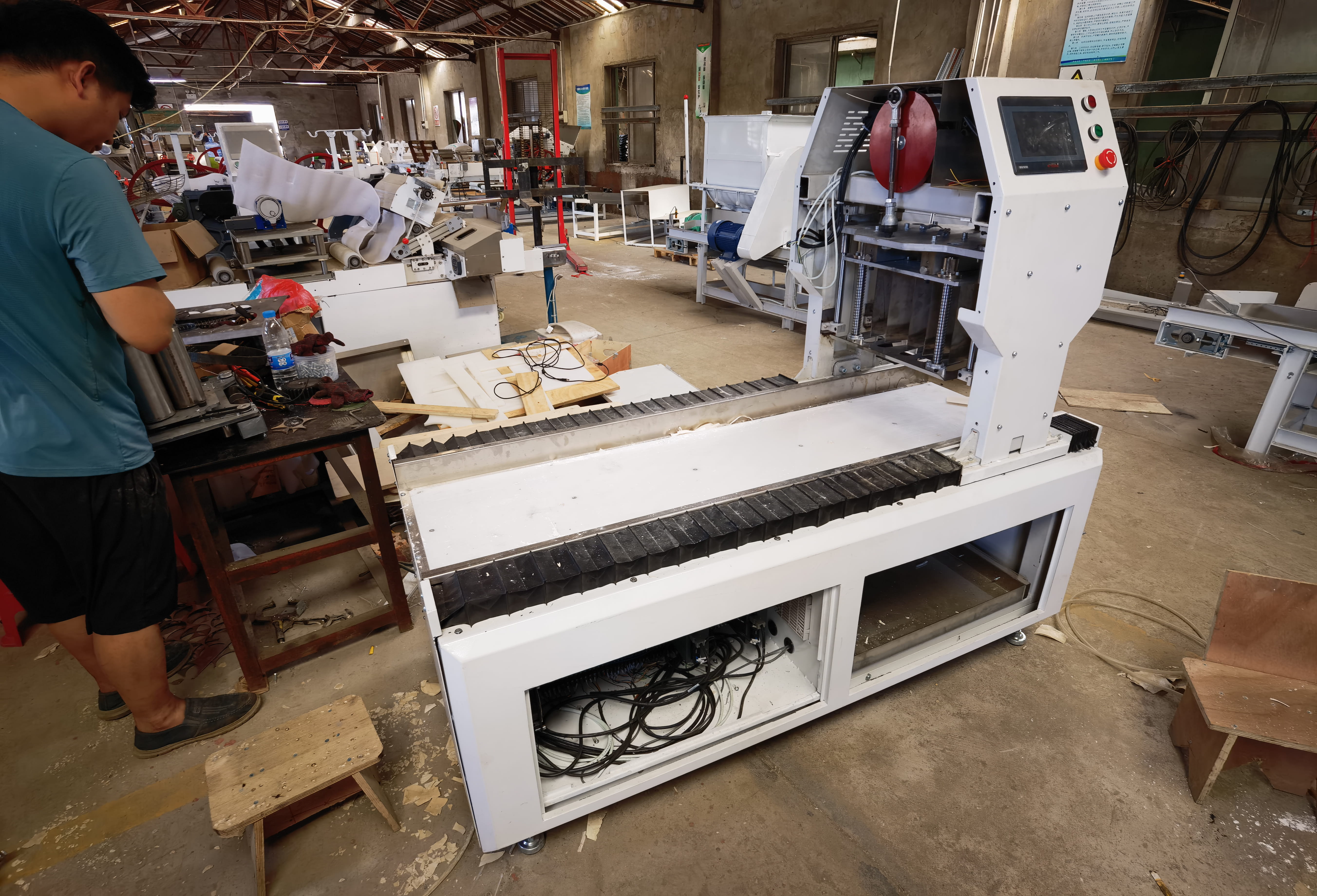
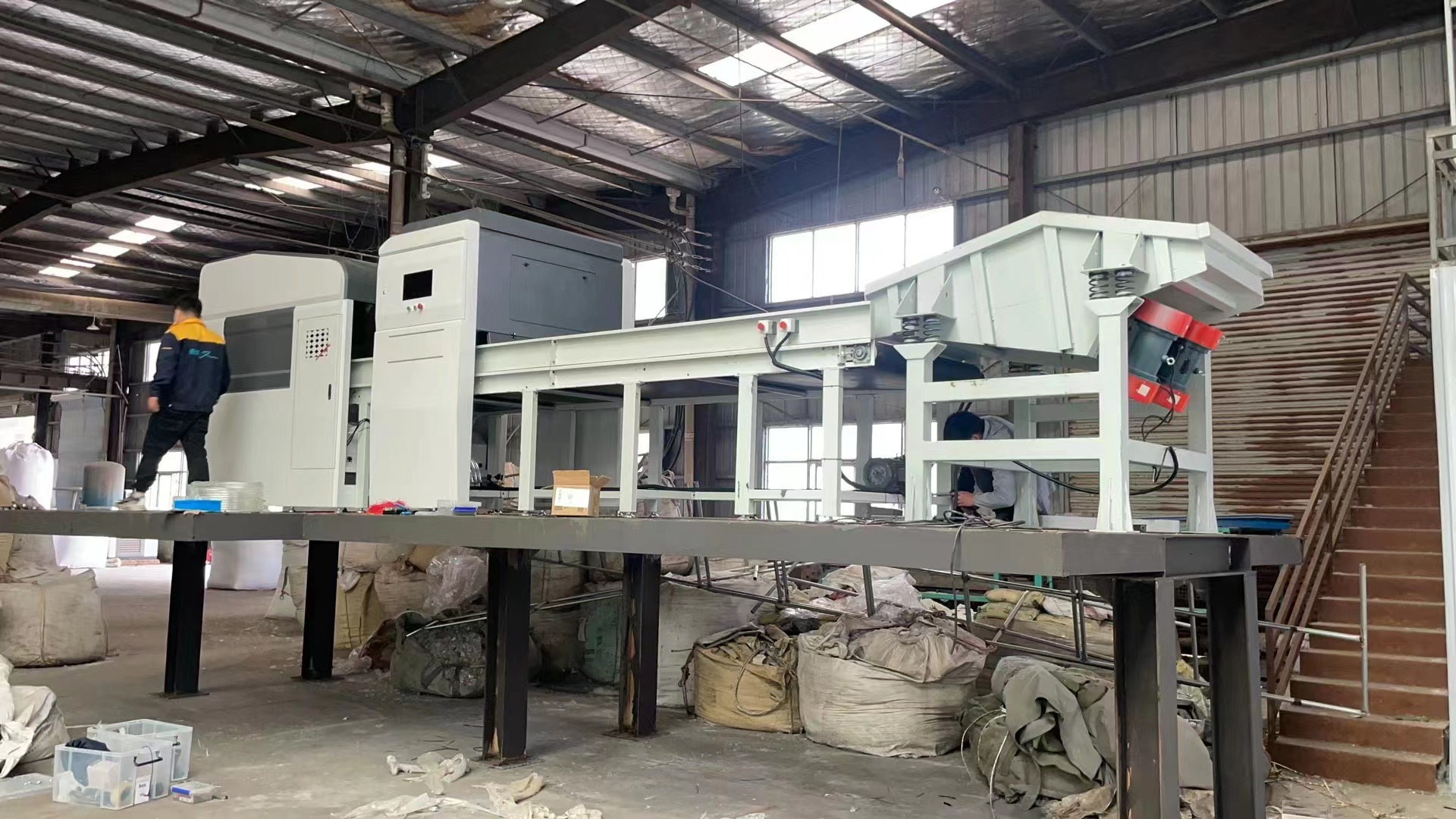
The original product focused mainly on functional implementation, with limited visual identity and weak product recognition. The equipment lacked a distinctive appearance language that could represent its intelligent technology and brand positioning.
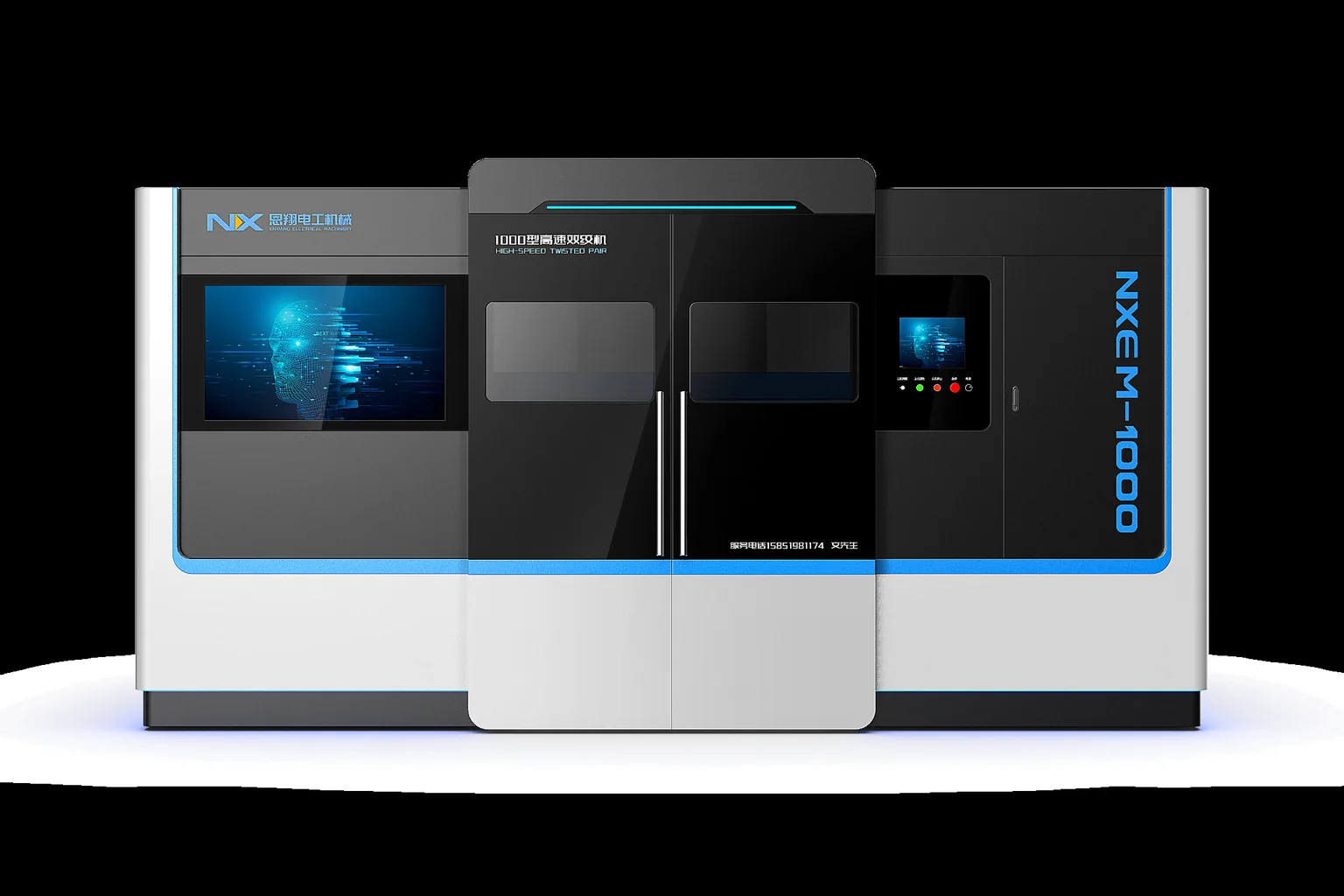
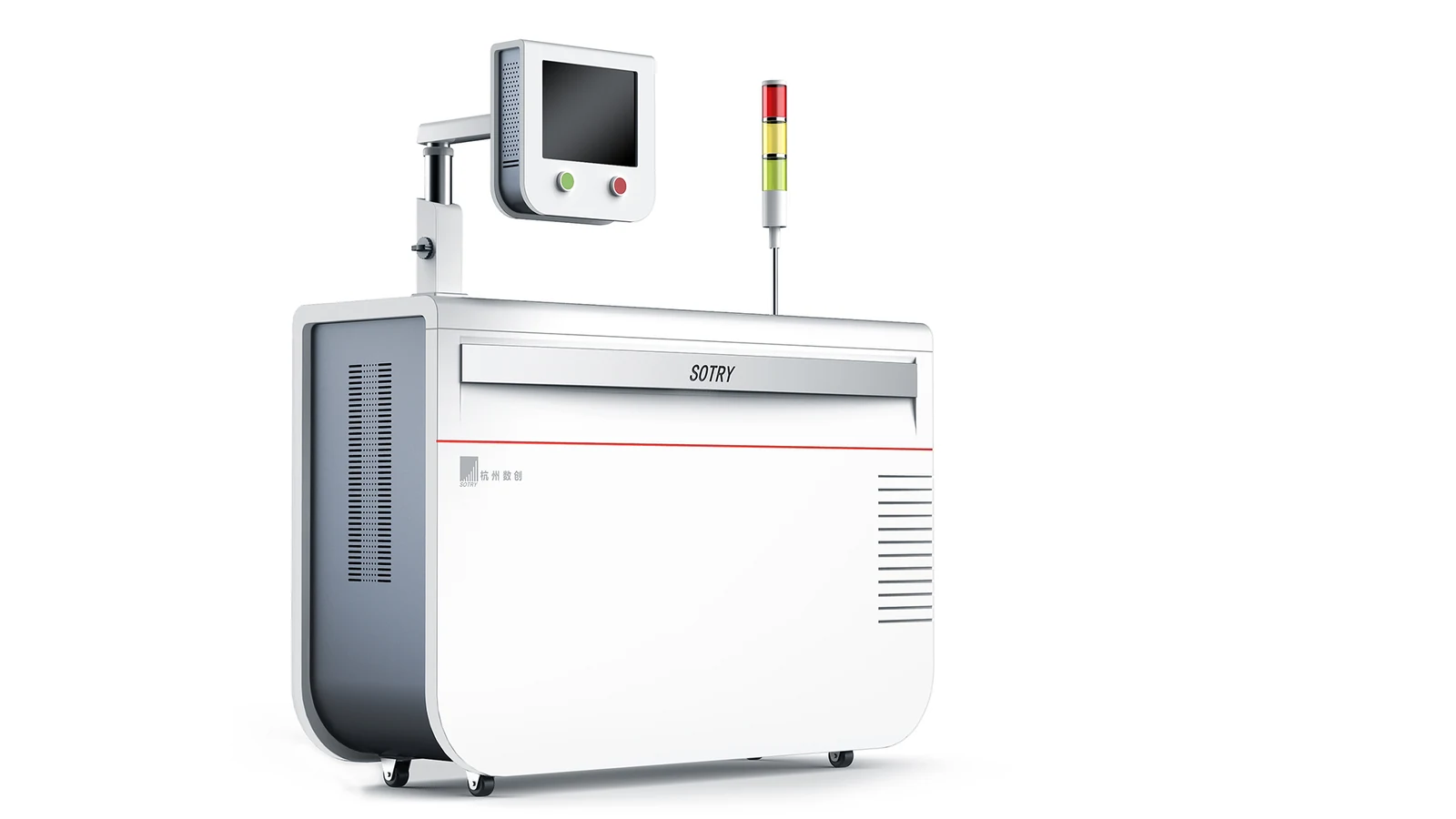
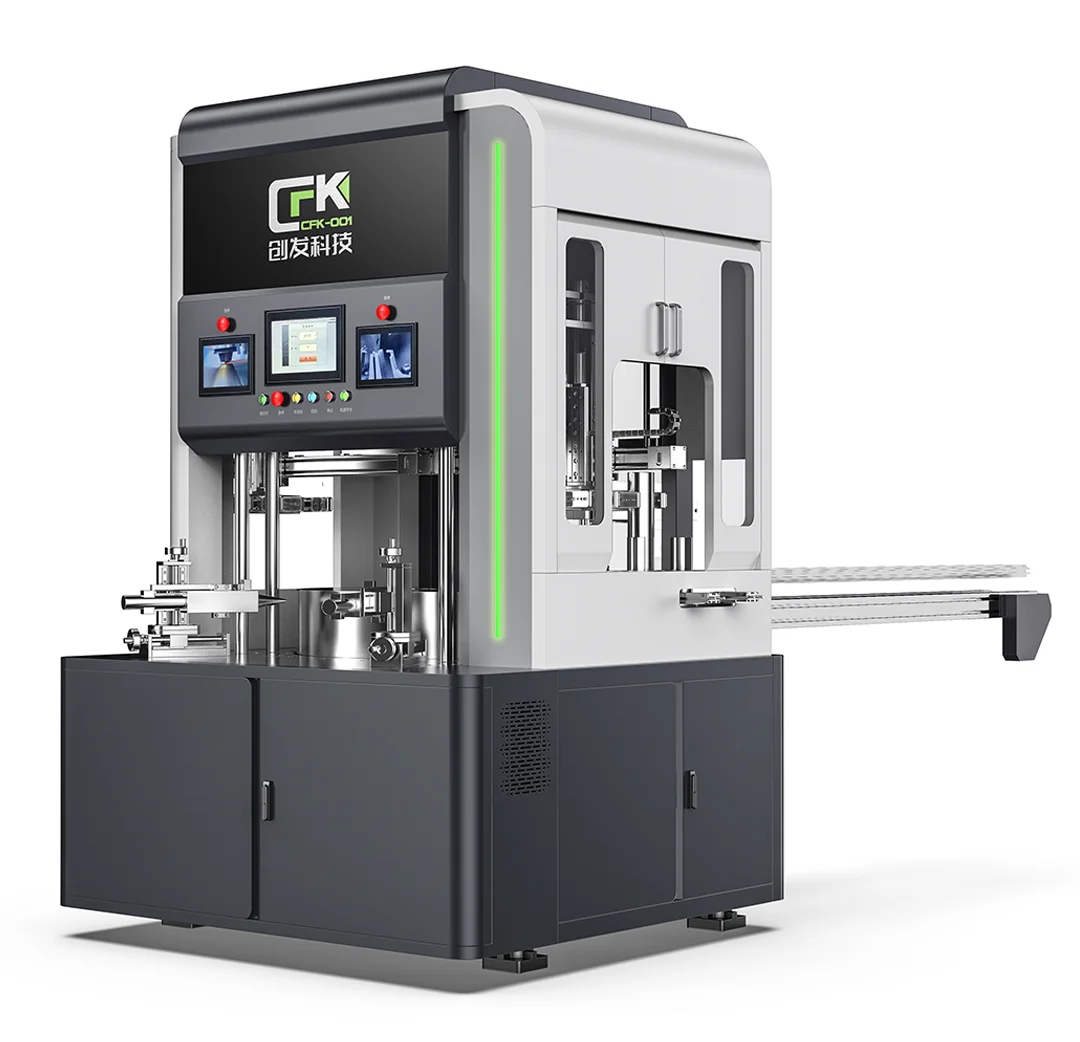
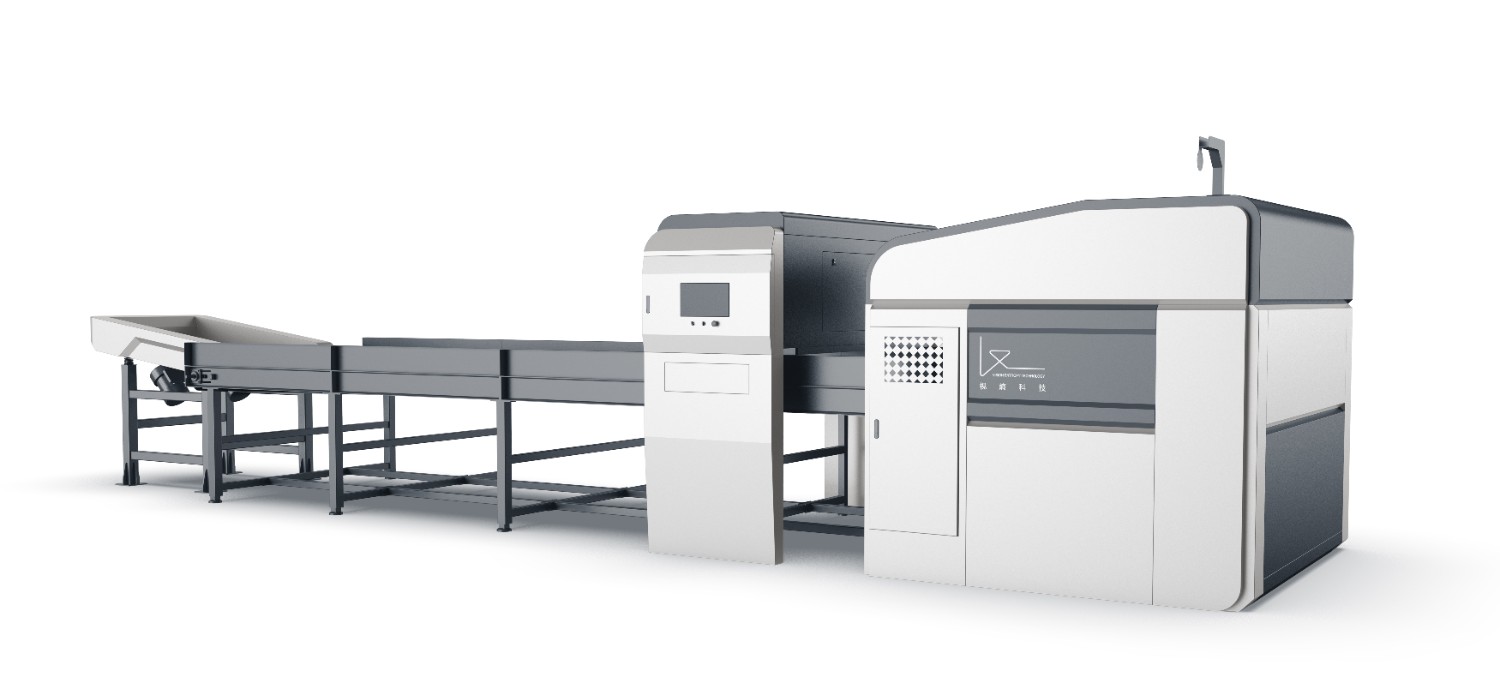
EQPID redesigned the identification robot by integrating industrial design principles with functional requirements. The project focused on optimizing the overall form, structural organization, interaction areas, and visual identity to create a more professional, intelligent, and market-oriented industrial product.
Through systematic design transformation, the robot evolved from a functional automation device into a recognizable product that better represents the company's technological capability and innovation strength.
For intelligent equipment, the first impression directly influences how customers perceive the company's technical capability.
The redesign creates a clearer product identity through:
The design avoids excessive decorative elements and instead uses a clean, structured form to communicate intelligence, precision, and reliability.
The product appearance becomes a direct expression of the company's technical positioning.
Advanced technology is often invisible to customers. Industrial design helps transform these hidden capabilities into understandable visual signals.
The redesign translates key product characteristics into visible expressions:
Through streamlined structural organization and refined details, the product communicates advanced automation technology.
Stable proportions, clear panel relationships, and controlled surface details create a perception of accuracy and professional engineering.
The overall design strengthens the product's presence in industrial environments and improves customer confidence.
Following the principle of "good usability", the design considers the relationship between users and equipment.
The redesign improves:
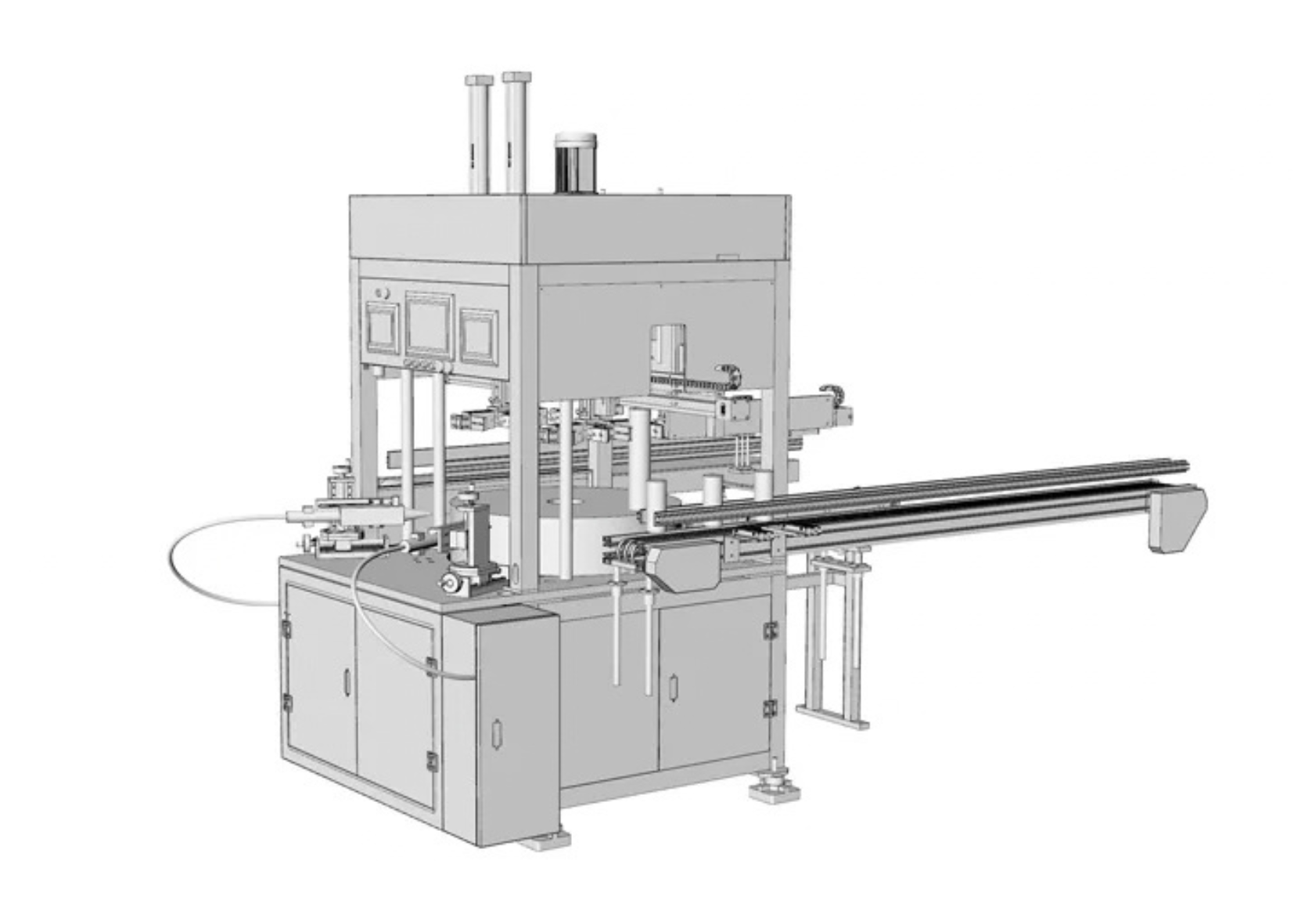
Different functional modules are organized through clear visual hierarchy, allowing users to quickly understand the equipment structure and operating logic.
The design creates a smoother interaction experience between people and intelligent equipment.
According to the principles of industrial brand design, a single product should not exist independently. It should become part of a long-term product system.
The redesign establishes reusable design principles:
These elements provide a foundation for future intelligent equipment development and help build a recognizable product family.
This project demonstrates how industrial design can transform technical capability into visible product value.
Through design optimization, the identification robot achieved improvements in:
A distinctive appearance helps customers quickly identify the product and associate it with the company's intelligent technology capability.
Refined details and organized structure strengthen customer confidence in product reliability.
Clear functional organization improves interaction efficiency and operational understanding.
The redesigned product becomes not only an automation device, but also a representation of the company's innovation capability and professional image.