CASE STUDY
Exterior design for a roll-forming line cutting machine: silver-grey covers step back, a dark-grey gantry stands up as a gate, and three colors — green, red, yellow — carry recognition at three positions. Sheet-metal enclosure design that turns the final station of the line into the client's lasting impression.
On a roll-forming line, the cutting machine is the last station: roofing panels travel down the line, and here they are measured, cut and handed over. When the acceptance day comes, the customer stands longest in front of the cutter — the moment the blade falls is his final impression of the whole line. The exterior design of this machine, for a roll-forming equipment manufacturer, was asked to hold that moment: to stand like a gate, and speak for the company behind it.
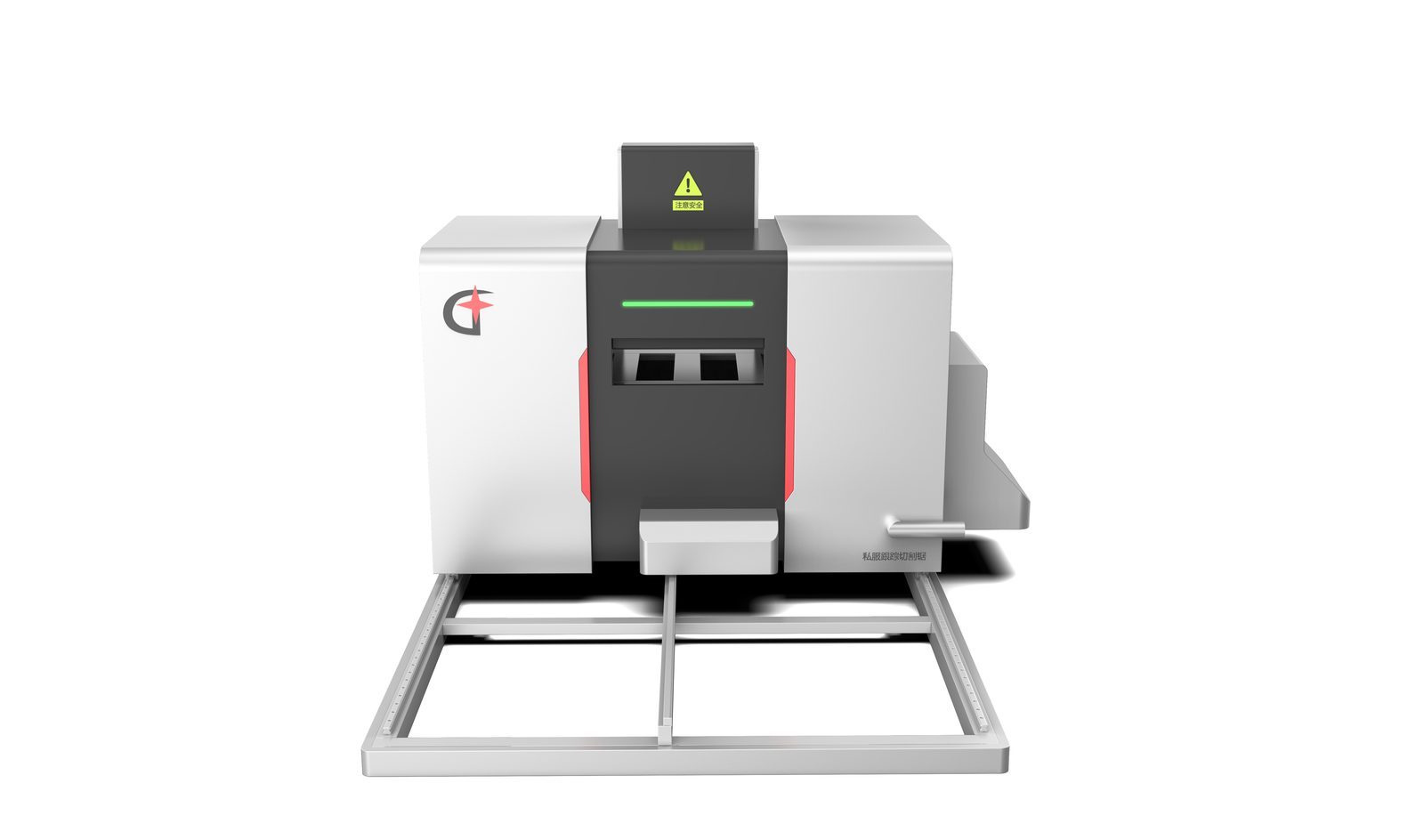
The project focused on sheet-metal enclosure design: left and right silver-grey covers, a central dark-grey gantry, a warning tower on top — a three-part layout sets the skeleton first, and identity and status grow out of it layer by layer.
From the front, the machine never spreads its effort evenly: the central dark-grey gantry is left as the sole protagonist, with the cutting window at its center and a green status light band running across the lintel; a ring of red outline on each side of the window marks where the blade works, while the two silver-grey covers deliberately step back as supporting roles, their symmetric seams steering the eye toward the middle. The product passes through the gate, and the brand is seen through it: one green band, two red lines — the entire facial expression of this machine, nothing more, nothing less.
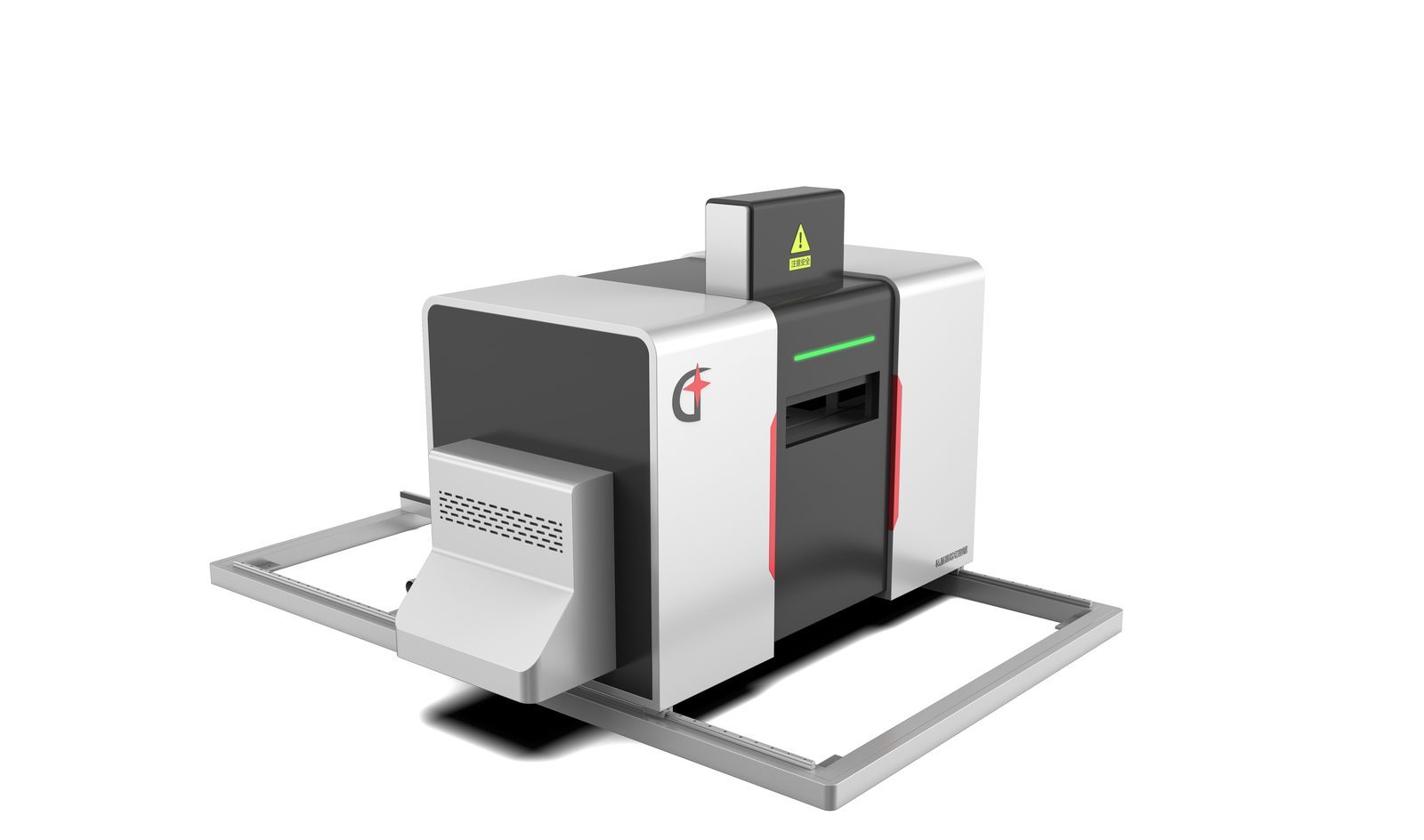
The left and right covers are the two largest surfaces on the machine: silver-grey painted bent panels whose seams follow only the routes the structure requires, with softened corners so the machine never looks aggressive in the workshop. The side-mounted dust-extraction hood opens a field of round perforations, putting its function on display; the steel frame base stays uncovered, straight and square, with every mounting, positioning and lifting hole out in the open.
The restraint of the covers is not silence — it saves the words for where they matter: a machine does not need to grab attention everywhere, only to be correct everywhere.
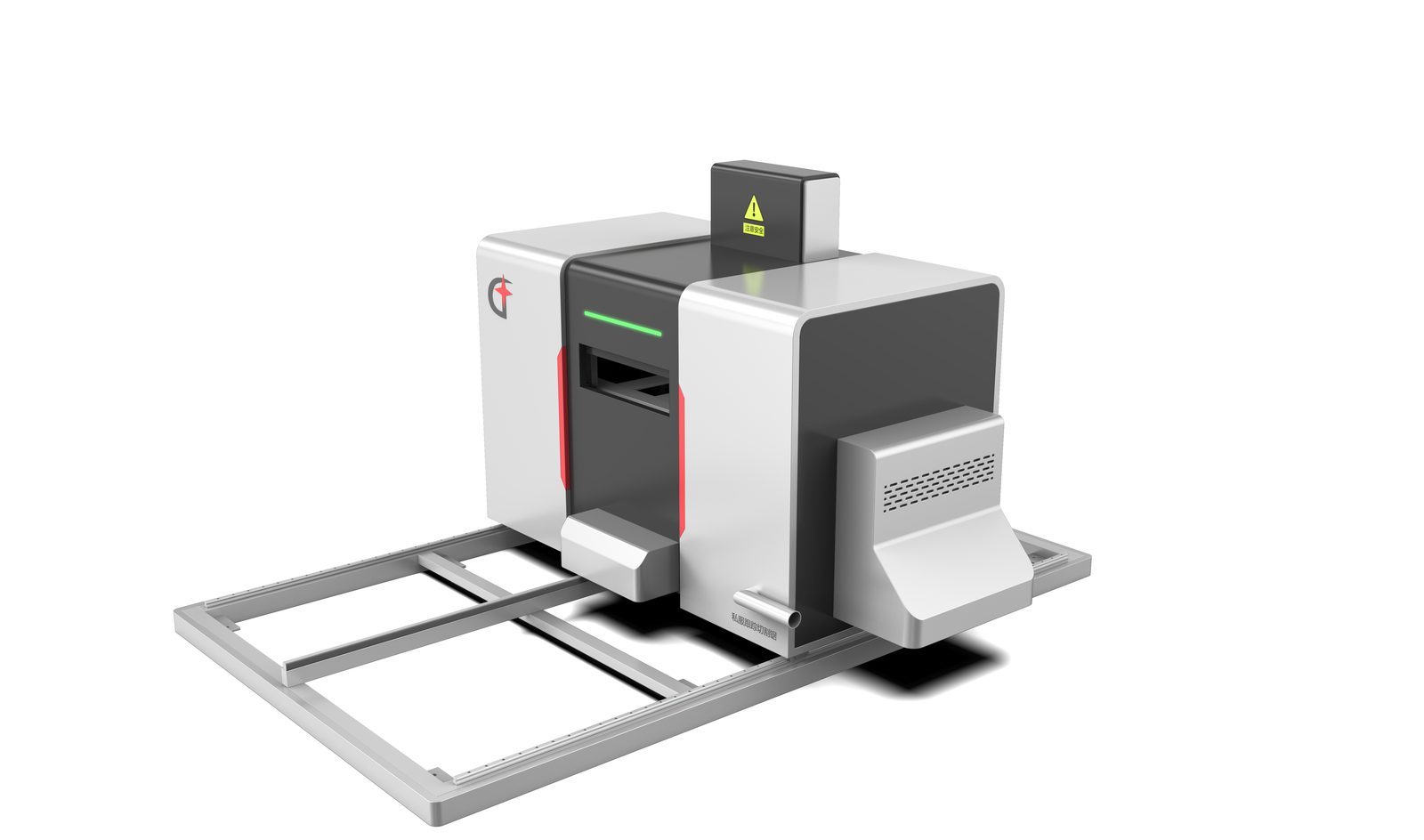
The identity of this machine is compressed into three colors at three positions: the green band on the lintel, lit while the machine works; the red outlines beside the cutting window, drawing the boundary where the blade lives; the yellow laser warning sign on the tower, lifted to a height the whole workshop can see. The brand mark sits on the upper left cover, enlarged by nobody and competing with nothing — from a distance, the dark-grey gantry and three colors are enough to remember this machine; up close, the mark and the details finish telling the name. Recognition comes not from labels everywhere, but from colors standing in the right places.
At design freeze, a checklist went to manufacturing along with the drawings: the symmetry tolerance of the gantry seams, the continuity of the red outline across two elevations, the springback control of the large flat covers, the flatness of the welded frame. The order of recognition is ultimately cashed in through these numbers — when the next batch of machines comes off the line, this gate will wear the same face.
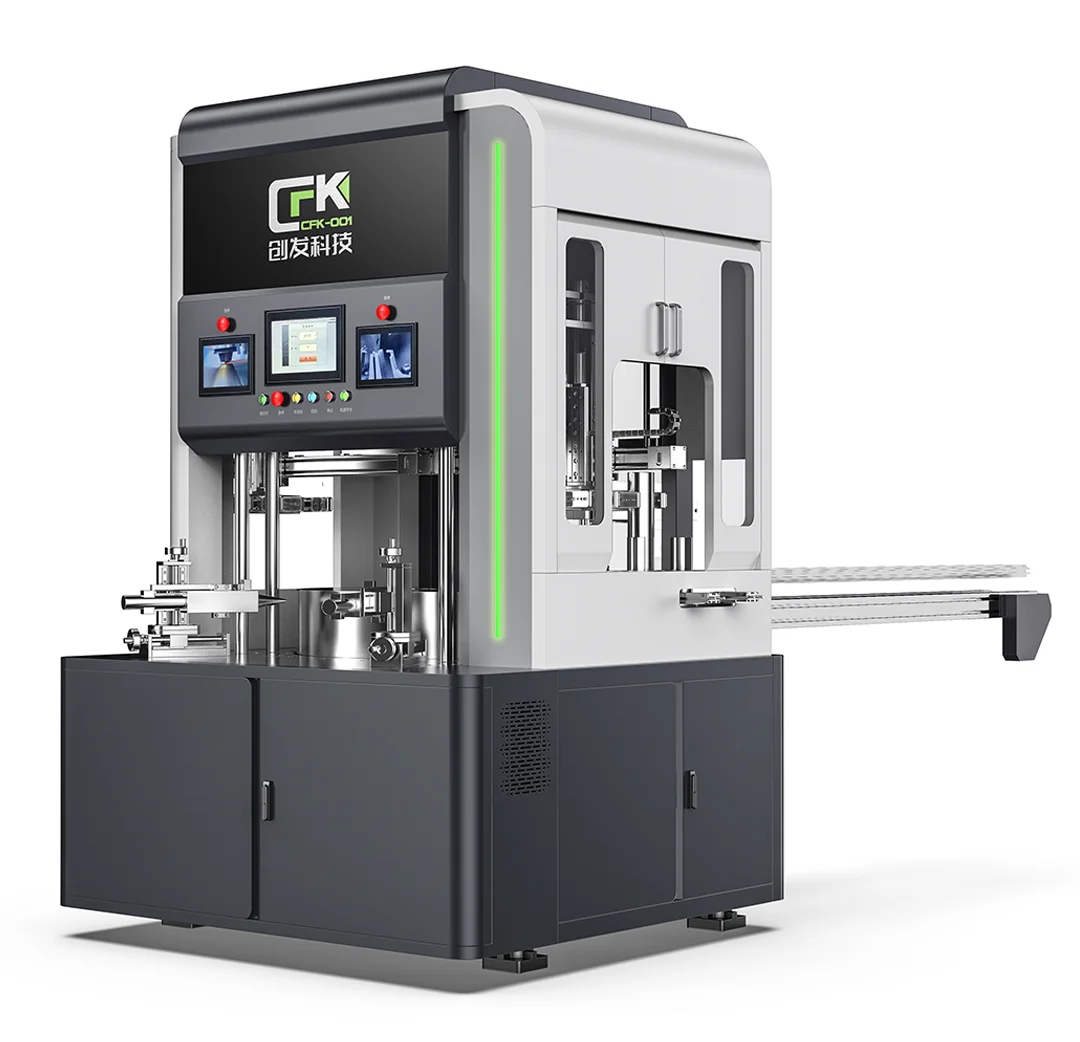
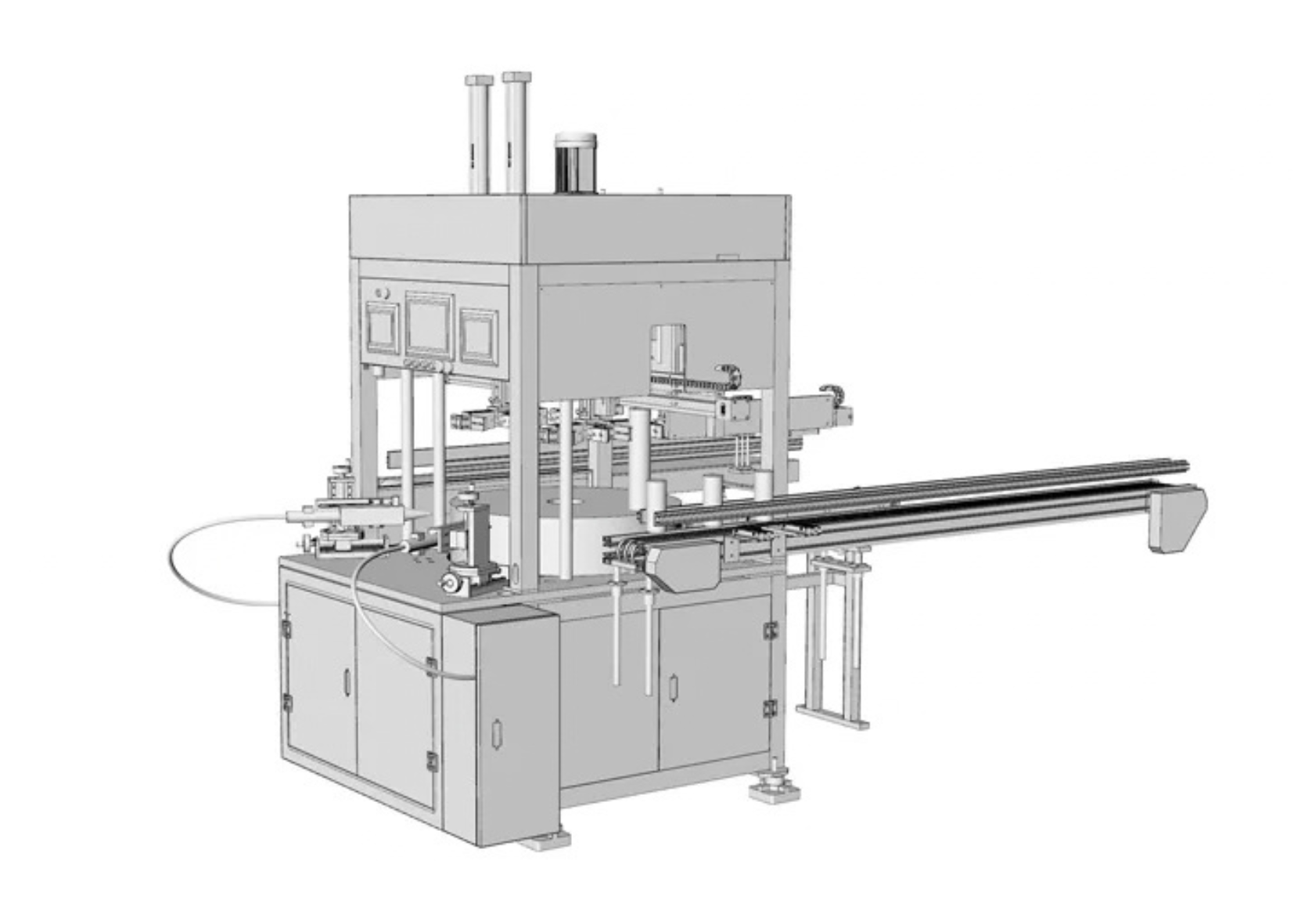
A vacuum flask welding machine gains clearer operating and maintenance zones through an integrated enclosure, concealed routing and a coordinated control area.
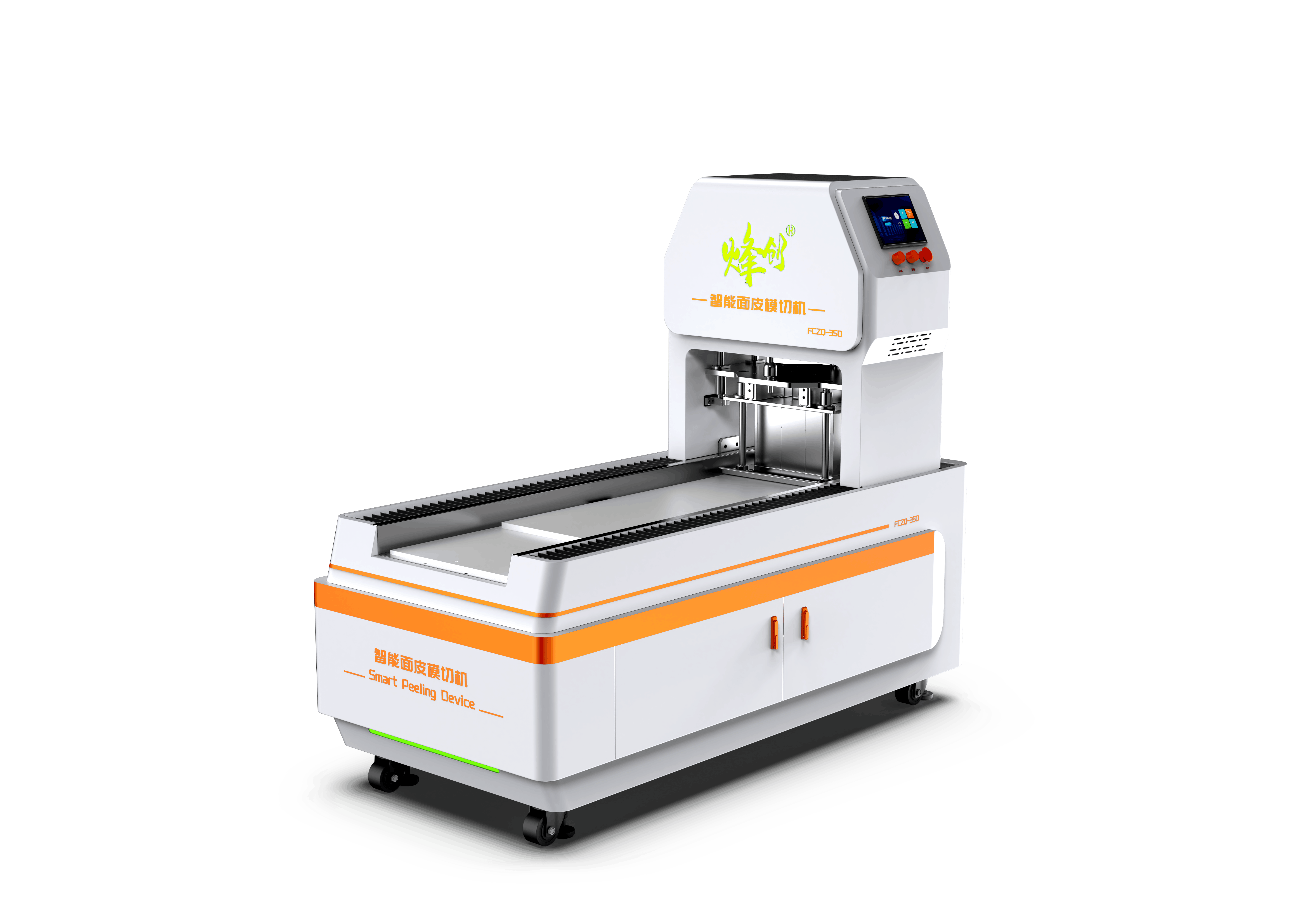
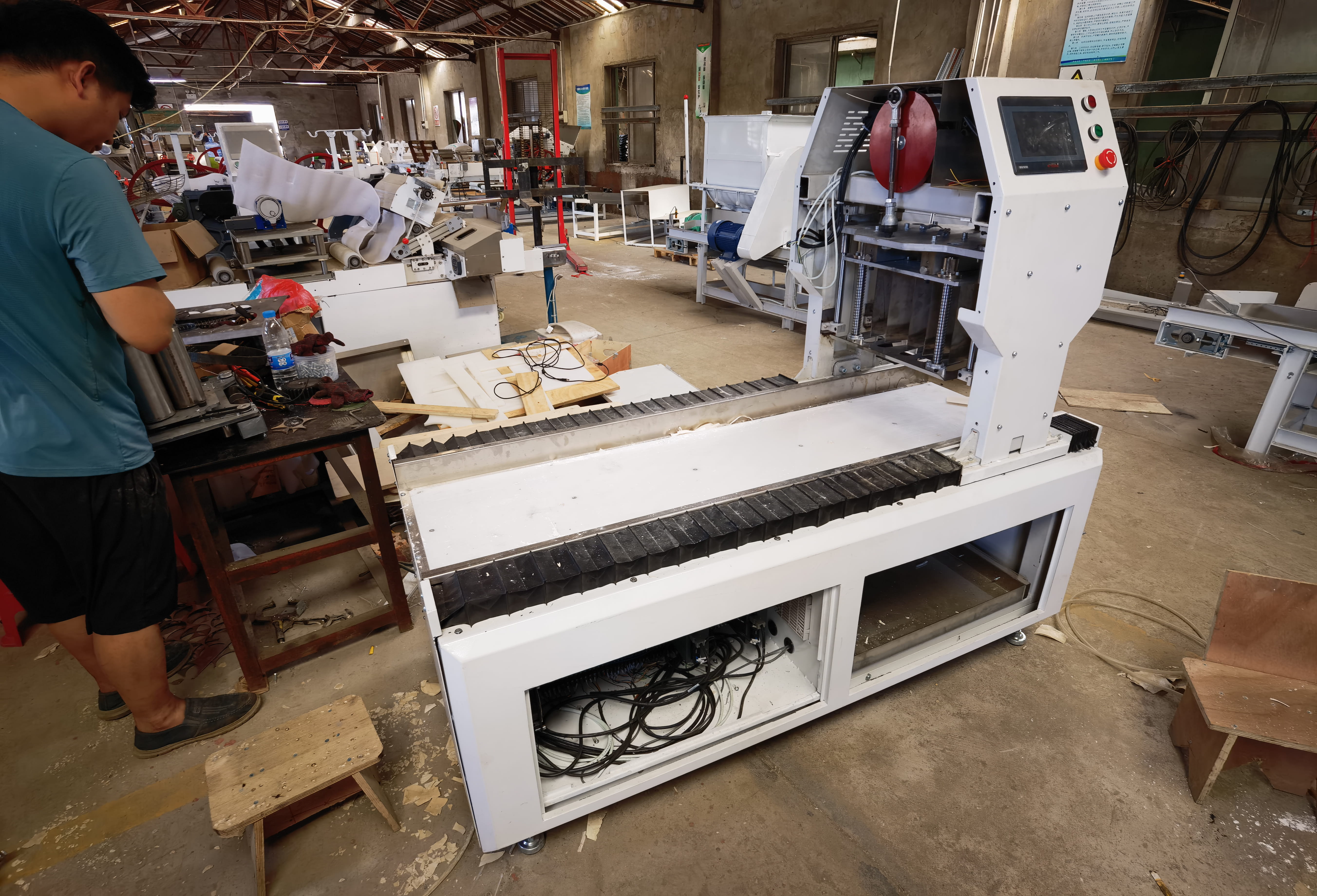
A Skin Stamping and Cutting Machine device redesigned to improve product identity, user experience, and manufacturing quality through systematic industrial design.
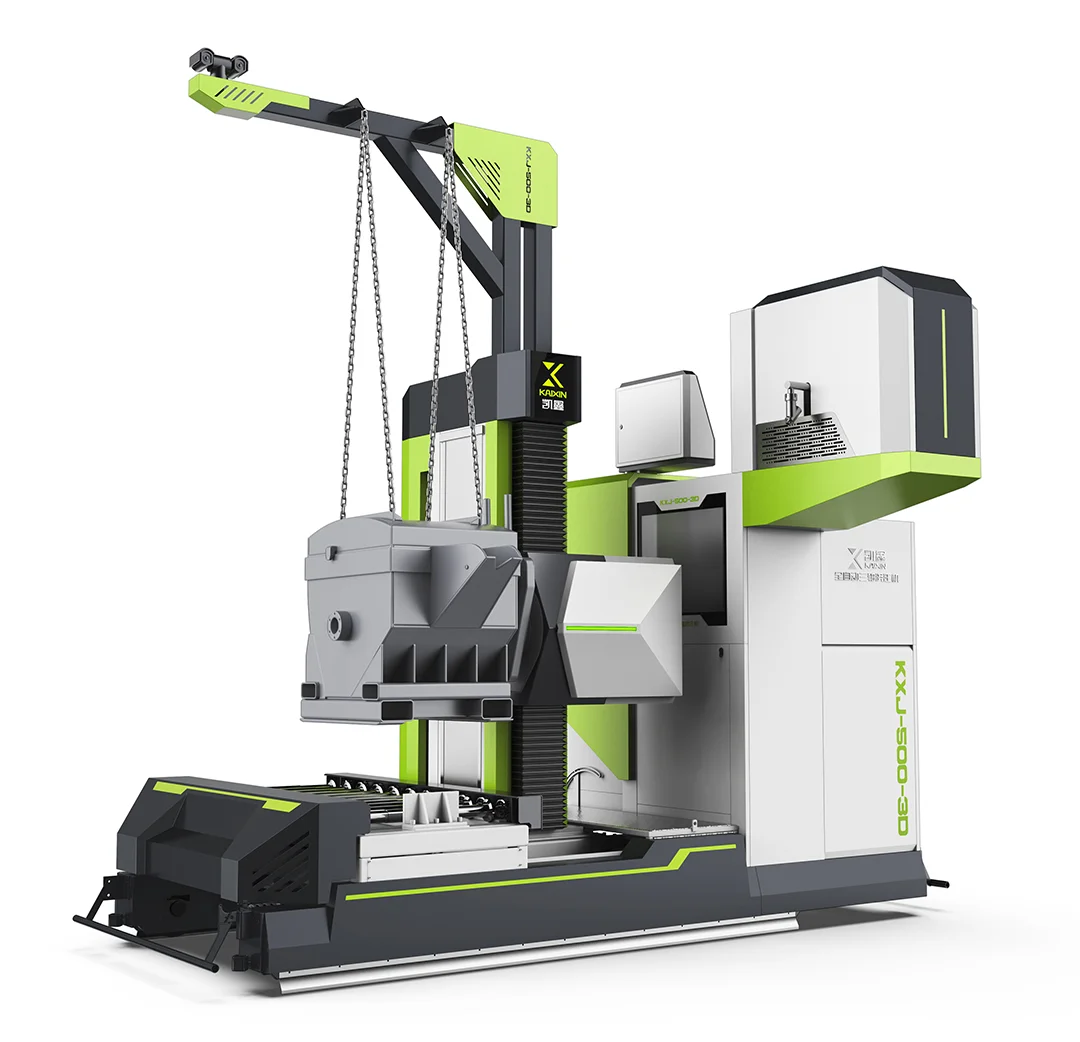
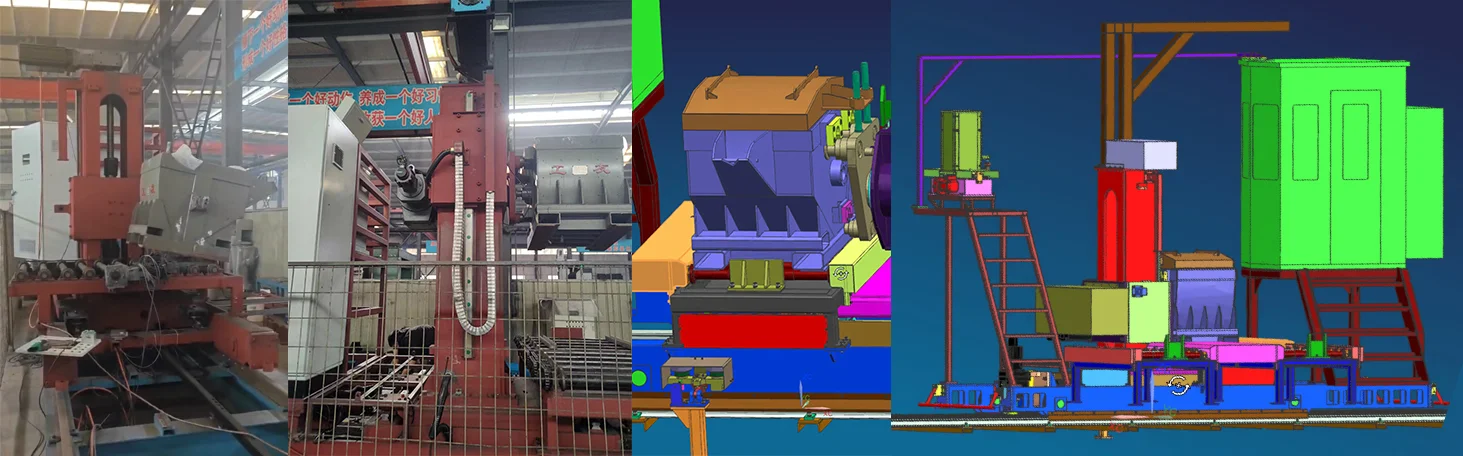
A casting machine gains clearer visual hierarchy through coordinated equipment volumes, panel divisions and a consistent gray-and-green identity.


Separate modules of a bellows production line are brought together through continuous forms, coordinated colors and integrated equipment details.
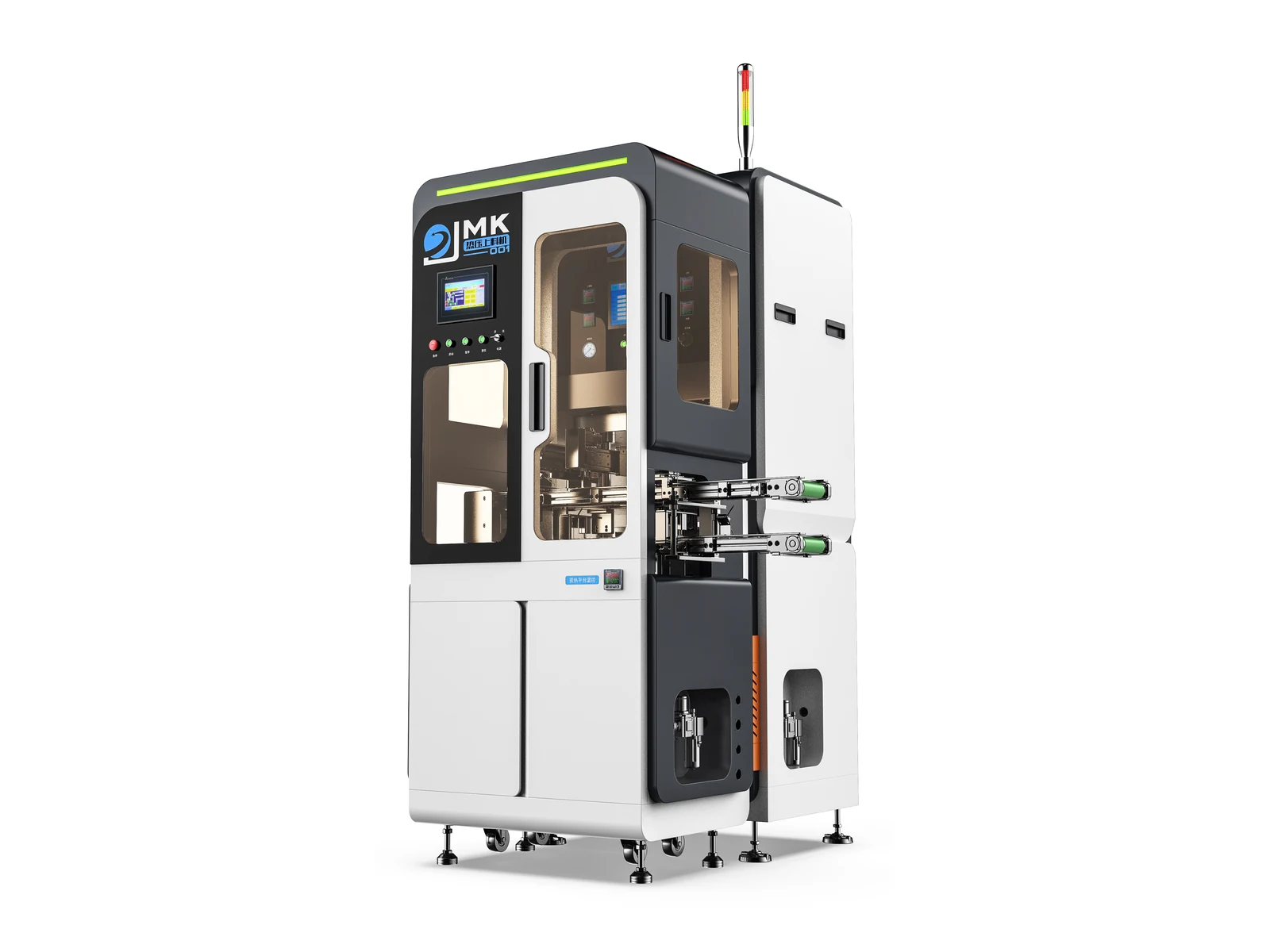
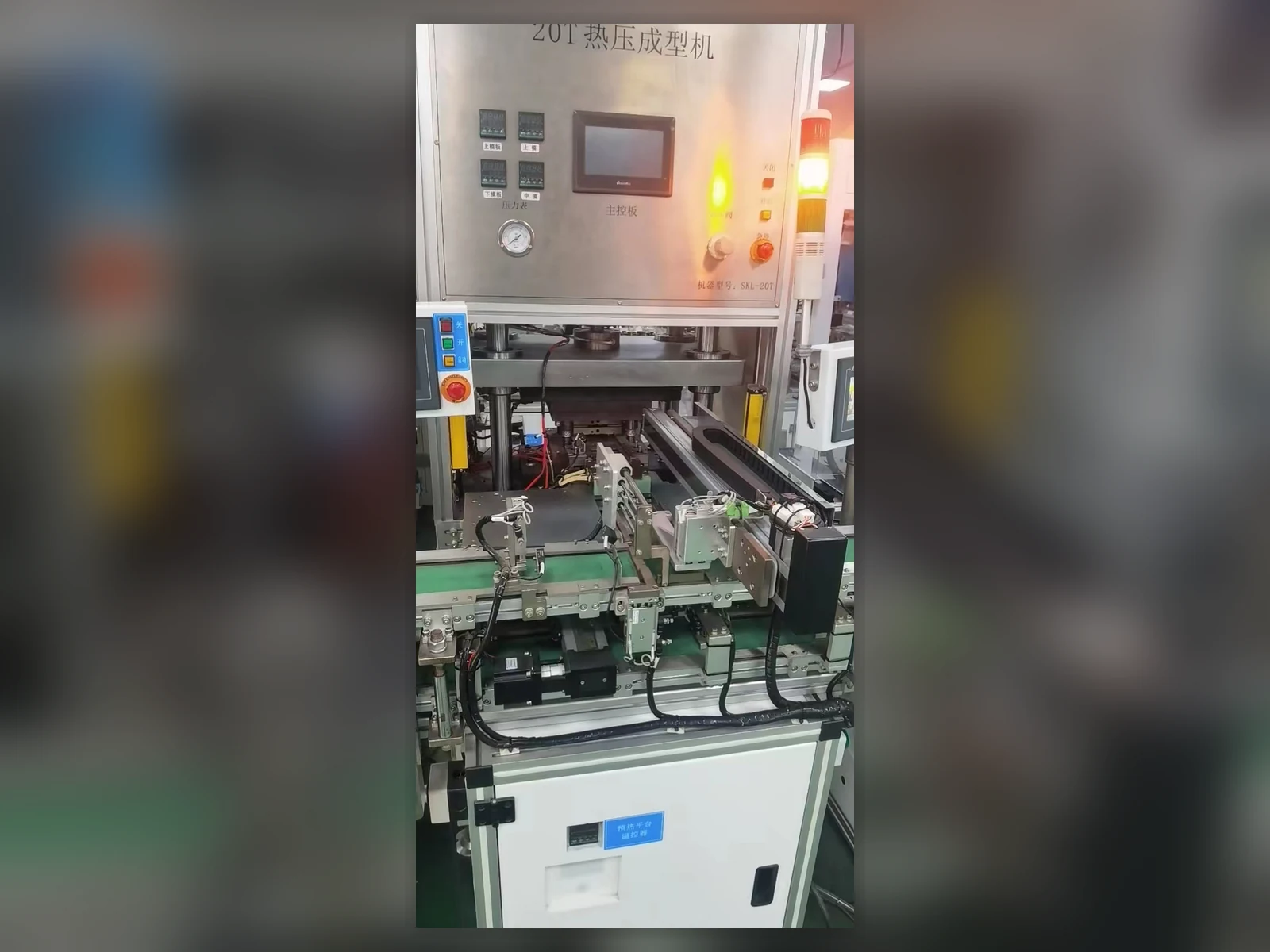
EQPID transformed a hot press forming machine from an exposed engineering assembly into a more integrated industrial product. By reorganizing the enclosure architecture, operator interface, viewing areas, and CMF, the redesign creates a clearer functional hierarchy and a more complete professional equipment identity.