CASE STUDY
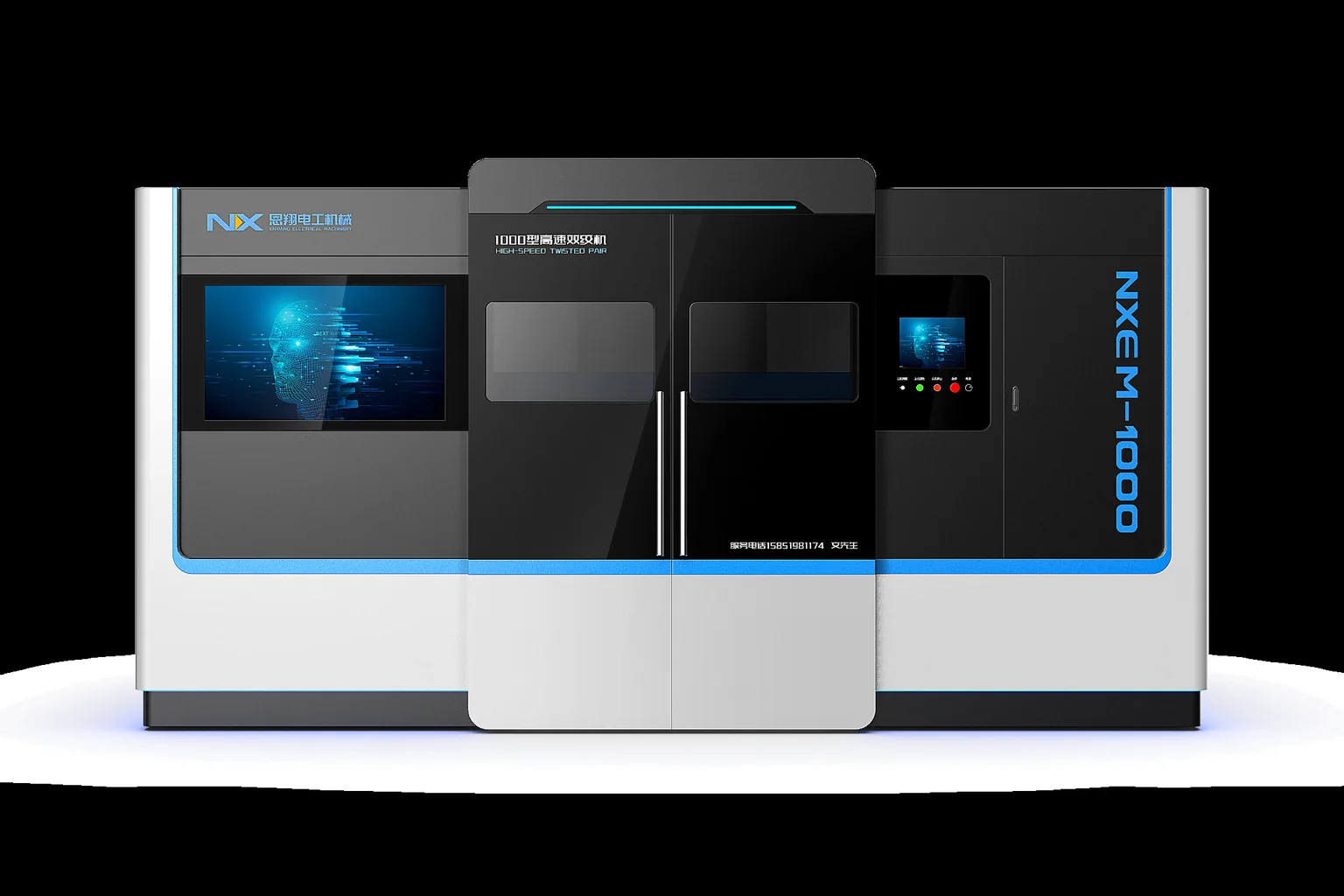
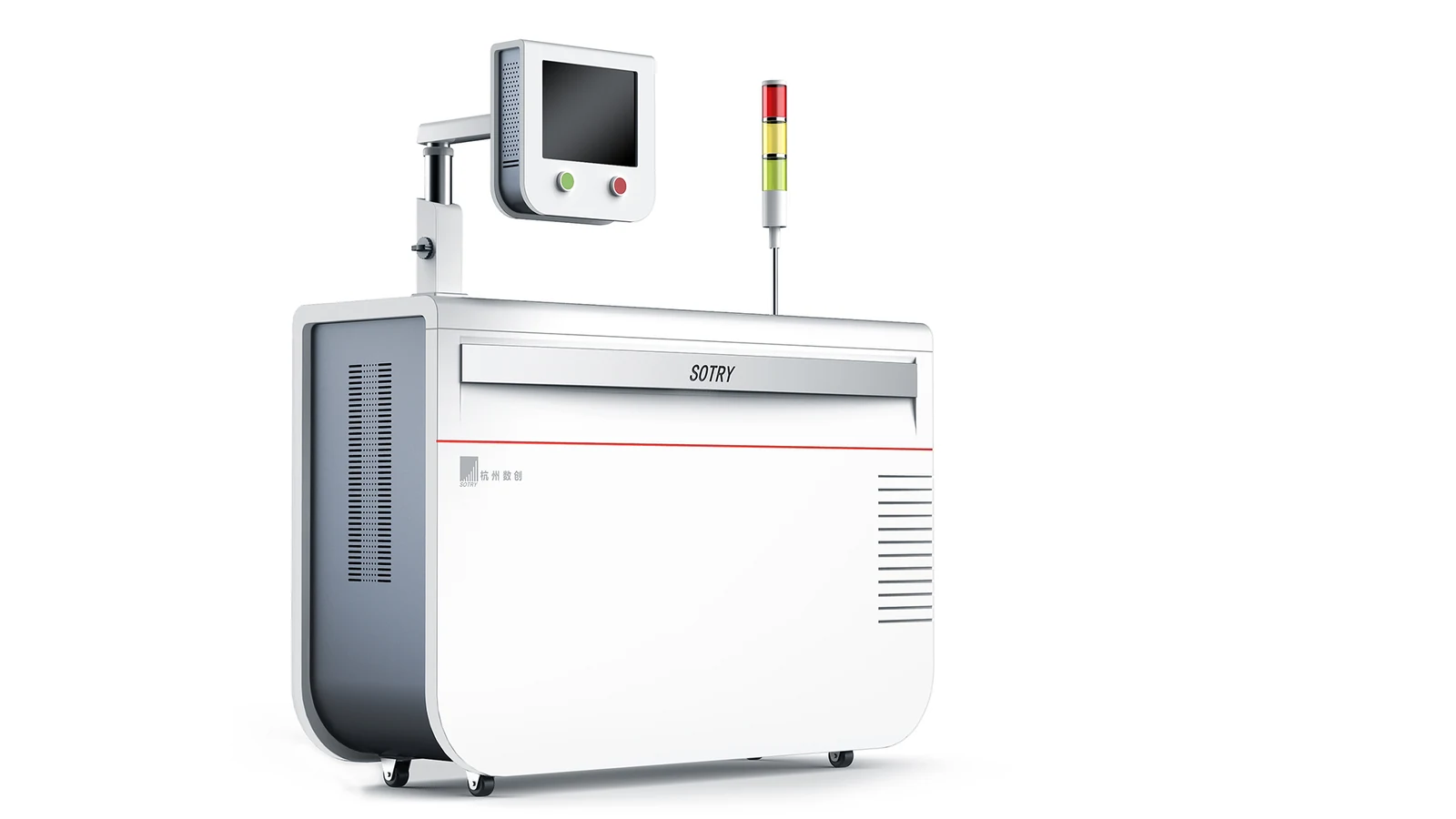
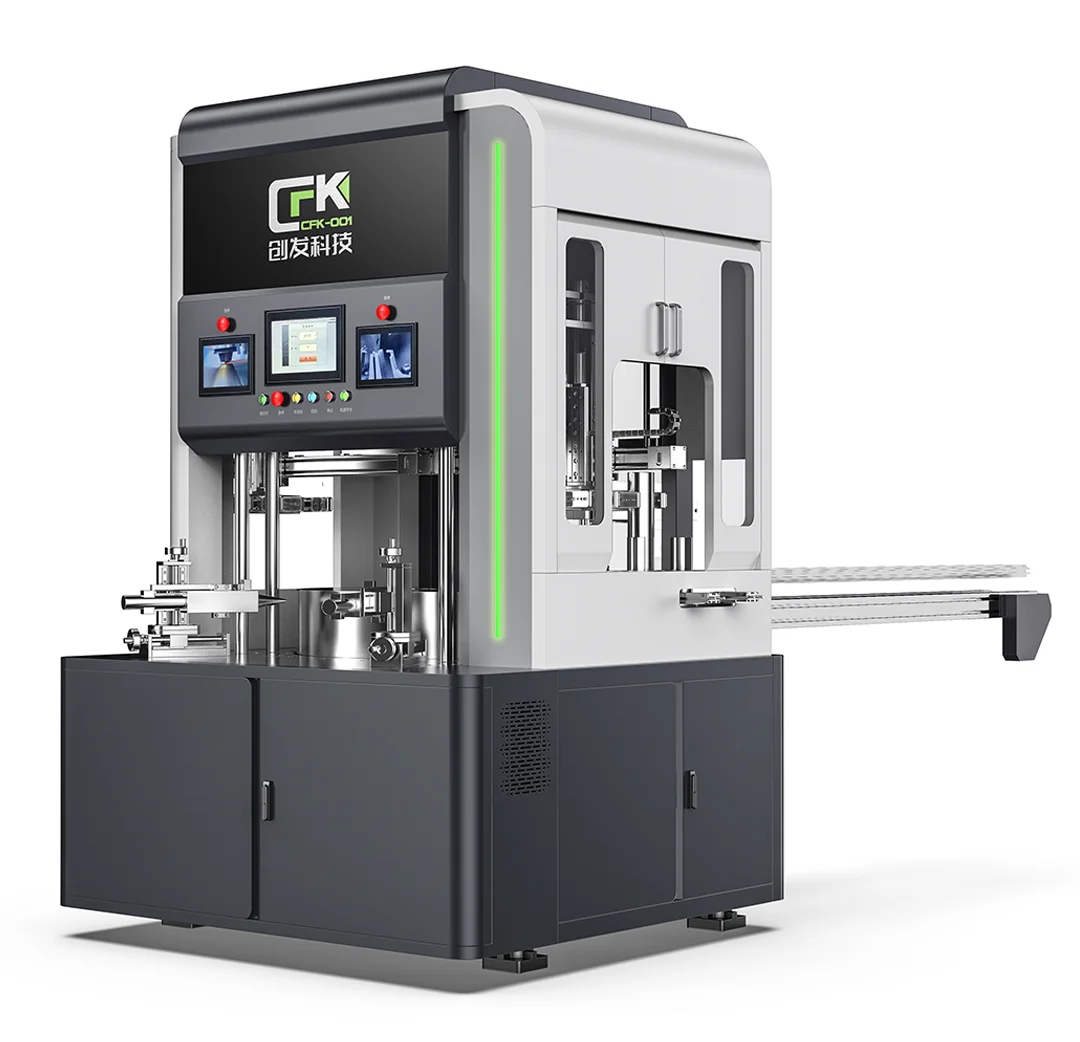
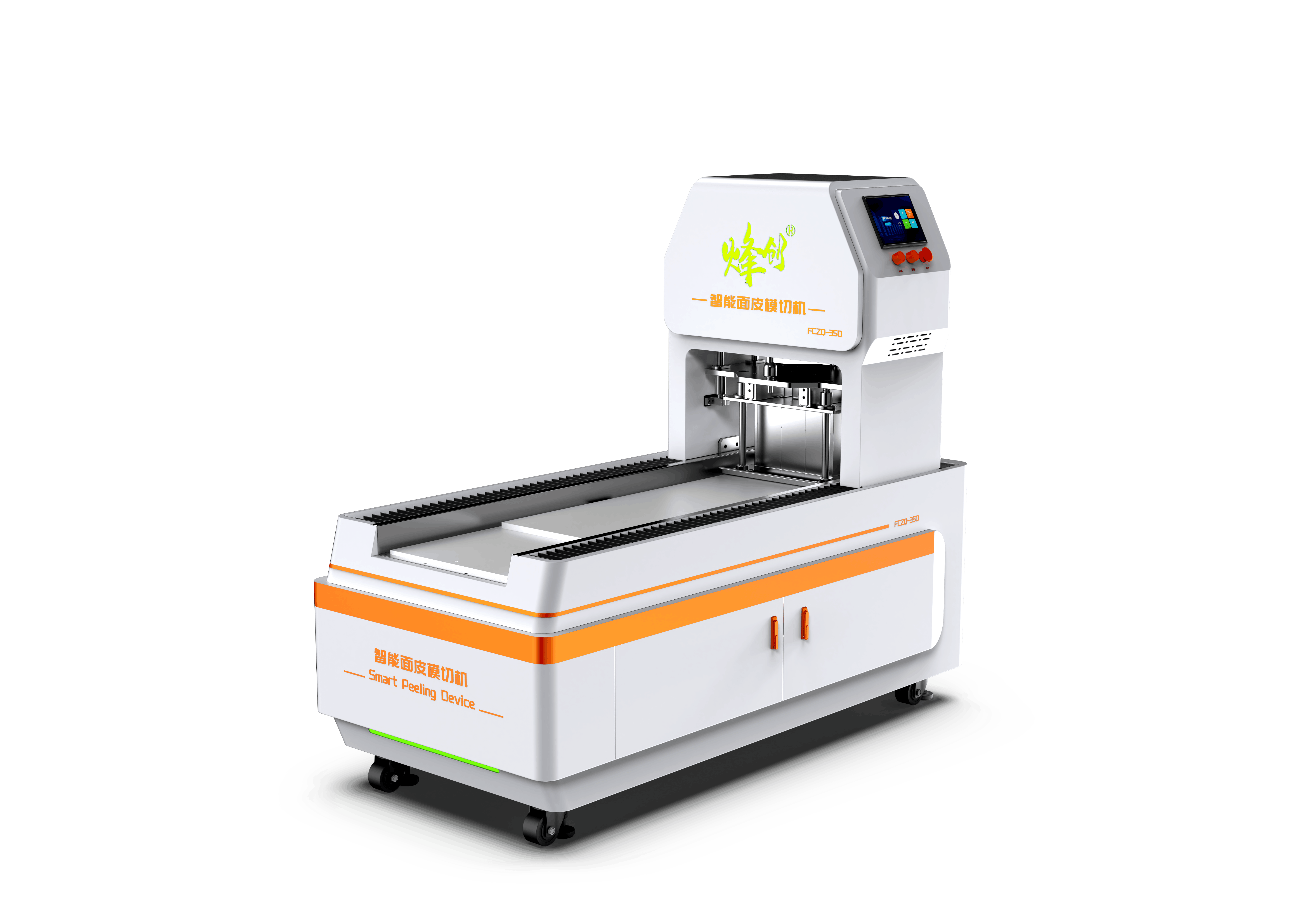
The redesign enhanced the machine’s technological perception, user experience, and brand recognition, helping the equipment better communicate its intelligent manufacturing capability and commercial value.
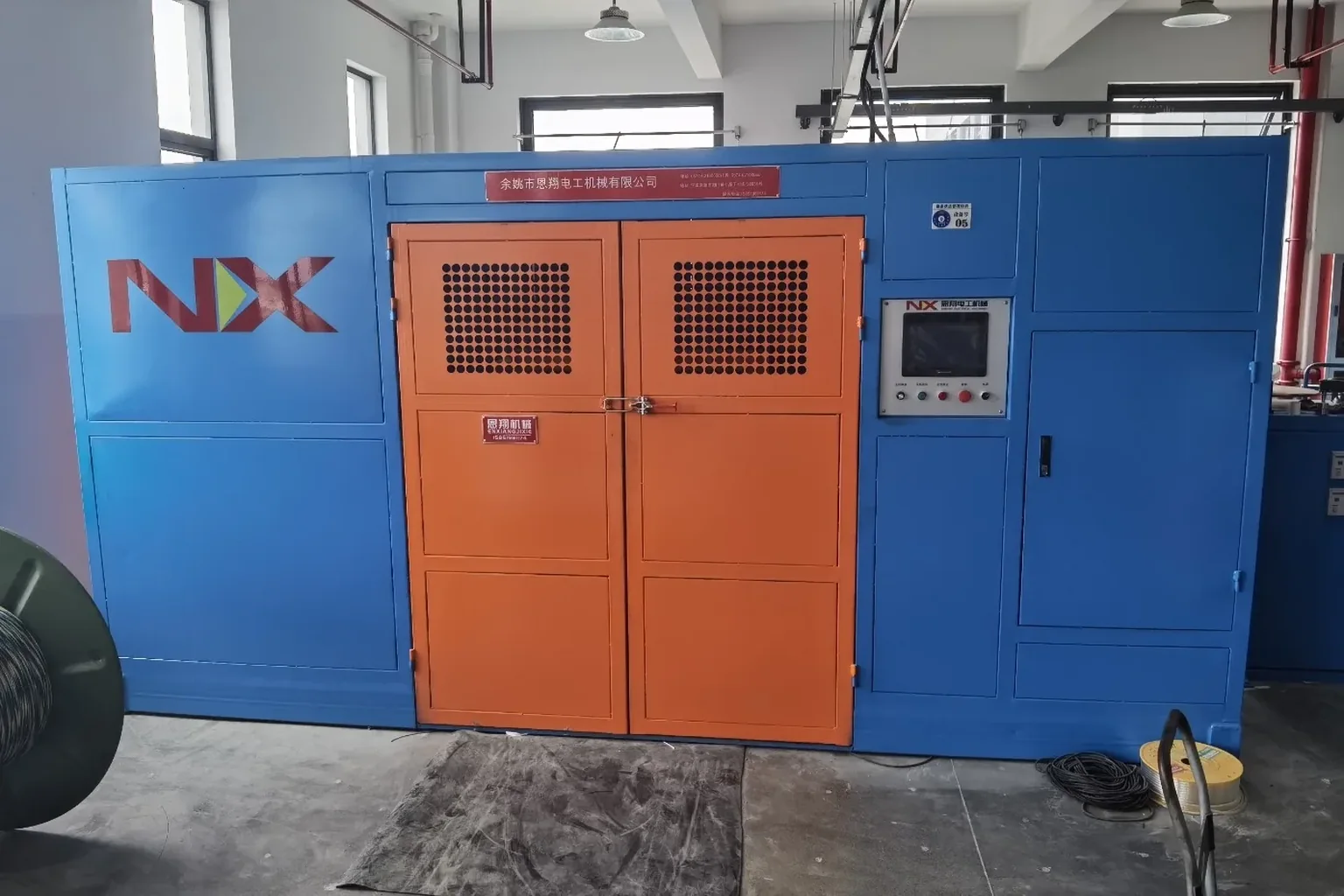
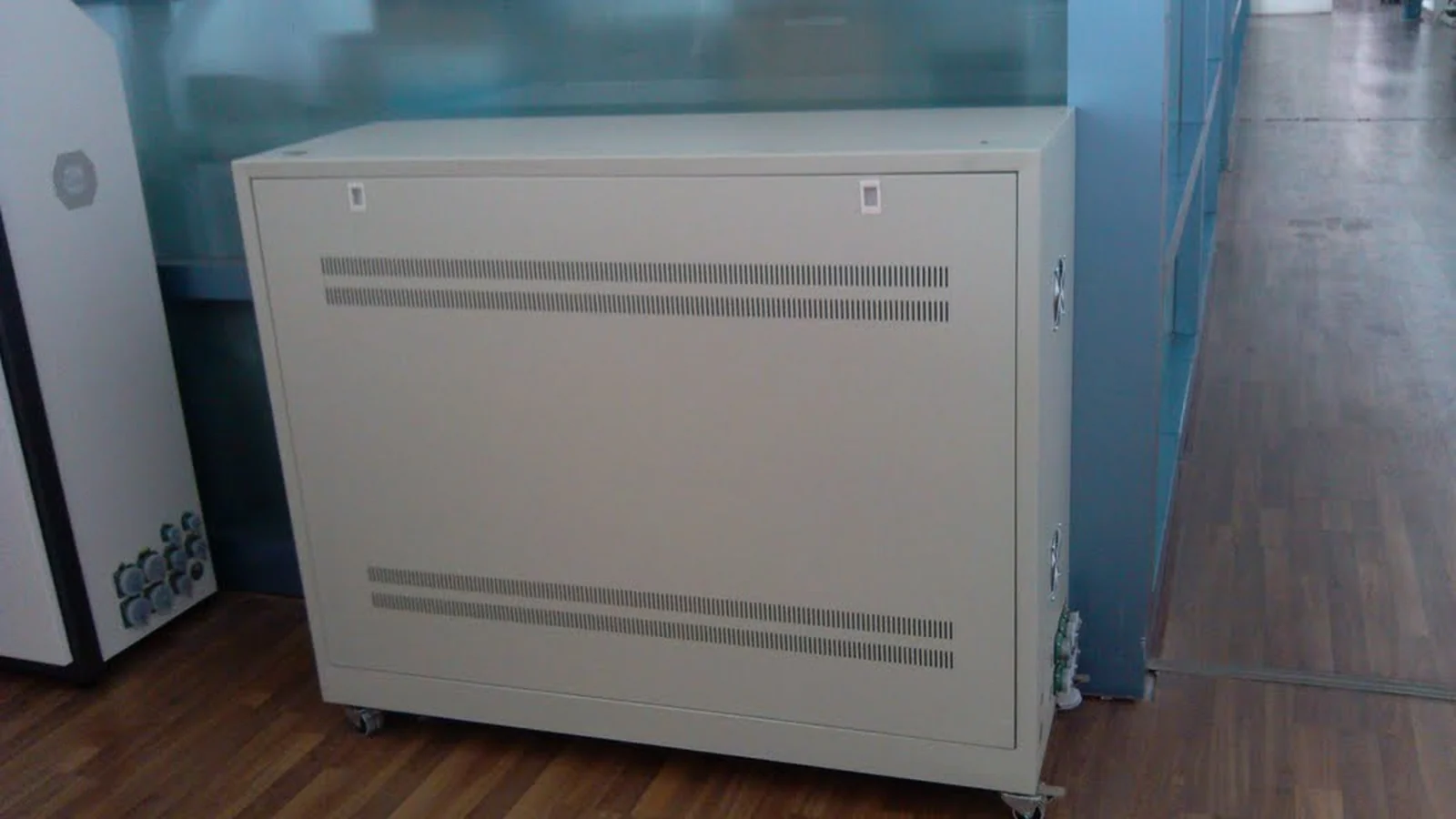
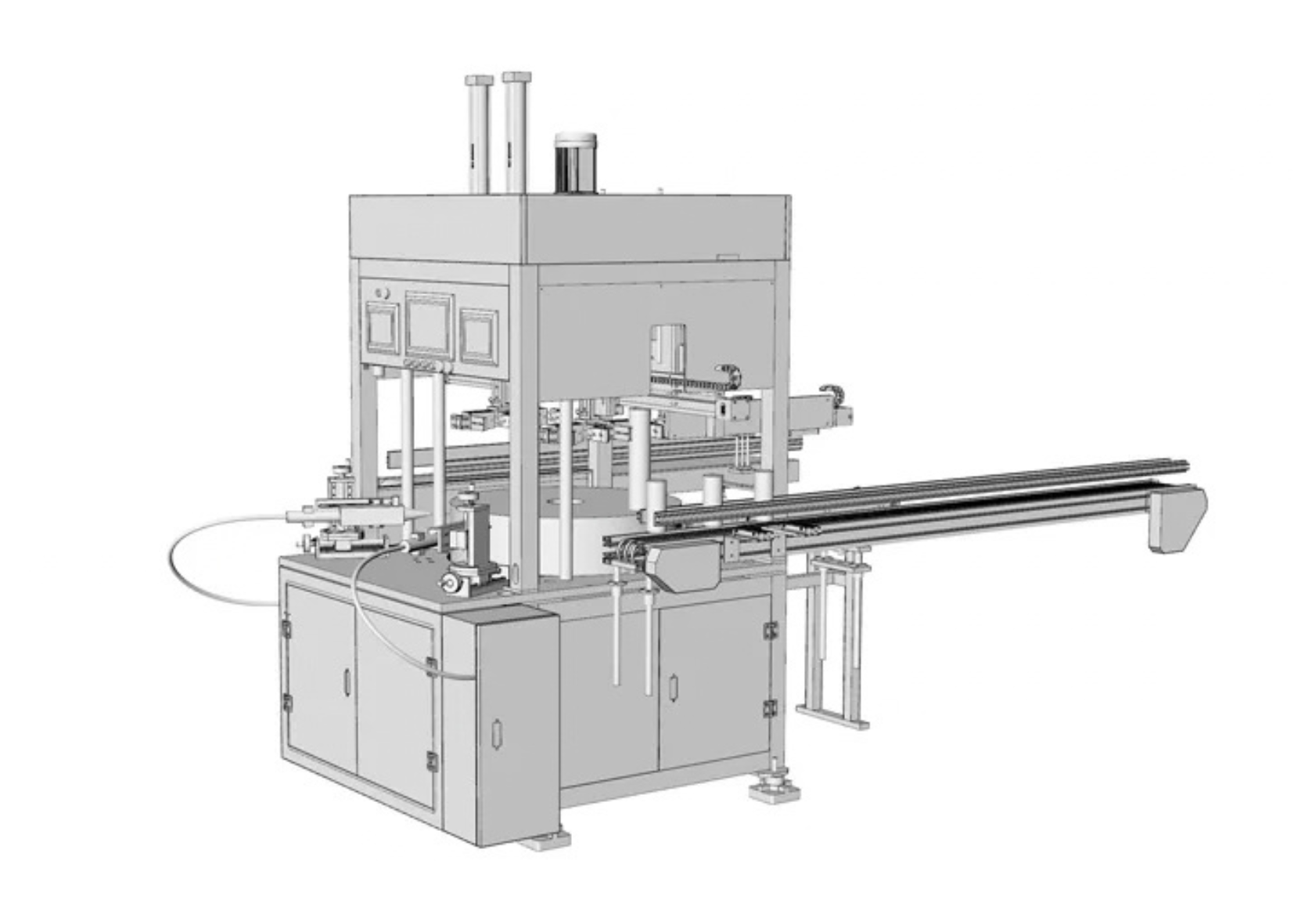
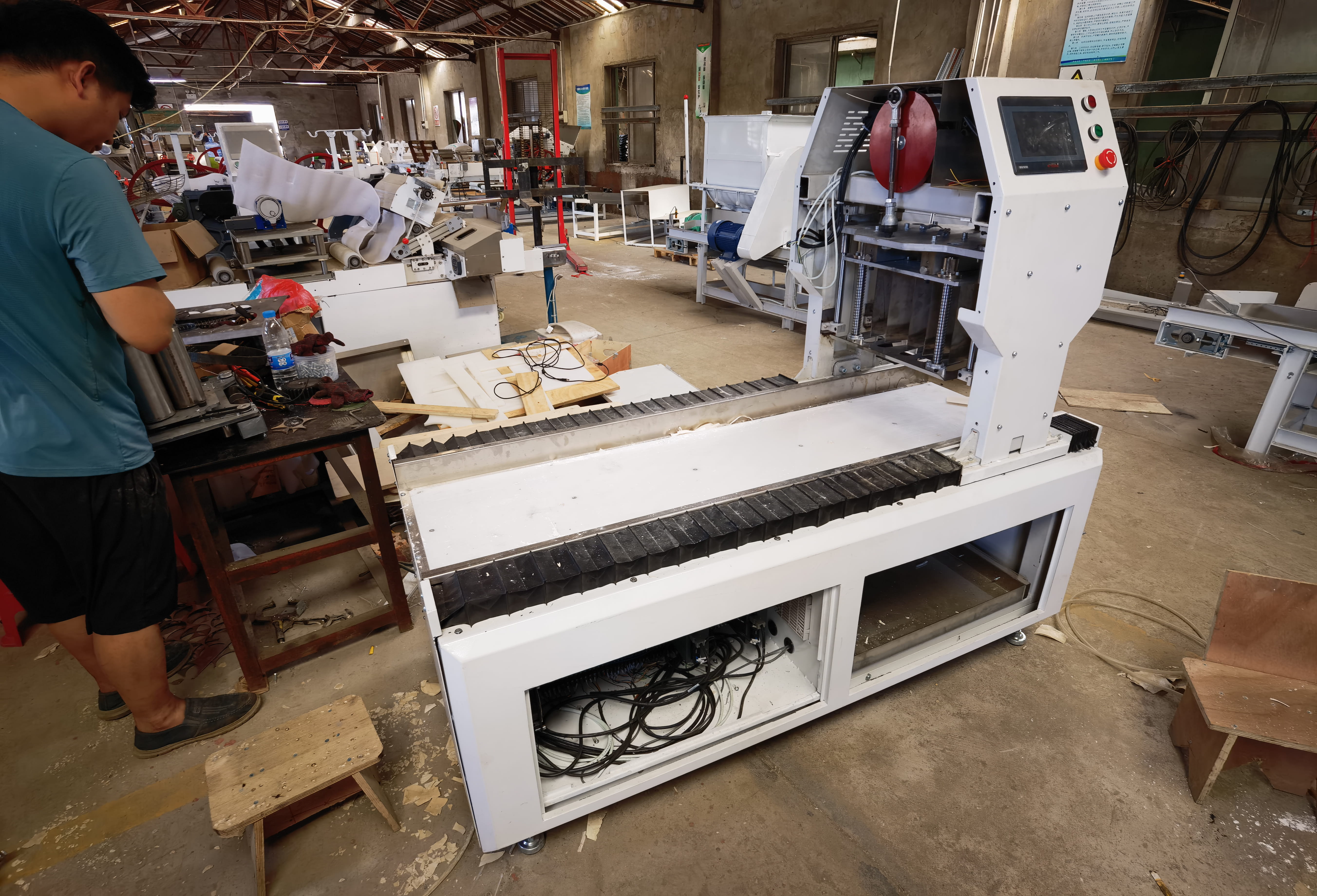
The original intelligent sorting equipment was developed with strong functional capabilities and reliable mechanical performance. However, the existing exterior design mainly focused on structural realization and manufacturing requirements, resulting in limited product recognition and weak brand communication.
As intelligent manufacturing equipment continues to evolve, customers evaluate not only the machine’s performance, but also its overall professionalism, technological image, and product value.
The original equipment faced several challenges:
Although the equipment delivered its intended sorting functions, its exterior appearance did not fully communicate the company’s technical strength and intelligent manufacturing positioning.
Based on the Shuizhe Industrial Design Methodology (SIDM), EQPID redesigned the equipment from a systematic perspective — integrating product identity, user experience, structural logic, CMF strategy, and manufacturing feasibility.
The objective was to transform the machine from a functional industrial device into a professional intelligent equipment product with stronger brand recognition and market competitiveness.
Project Type
Intelligent Sorting Equipment Exterior Design & Product Identity Upgrade
Design Services
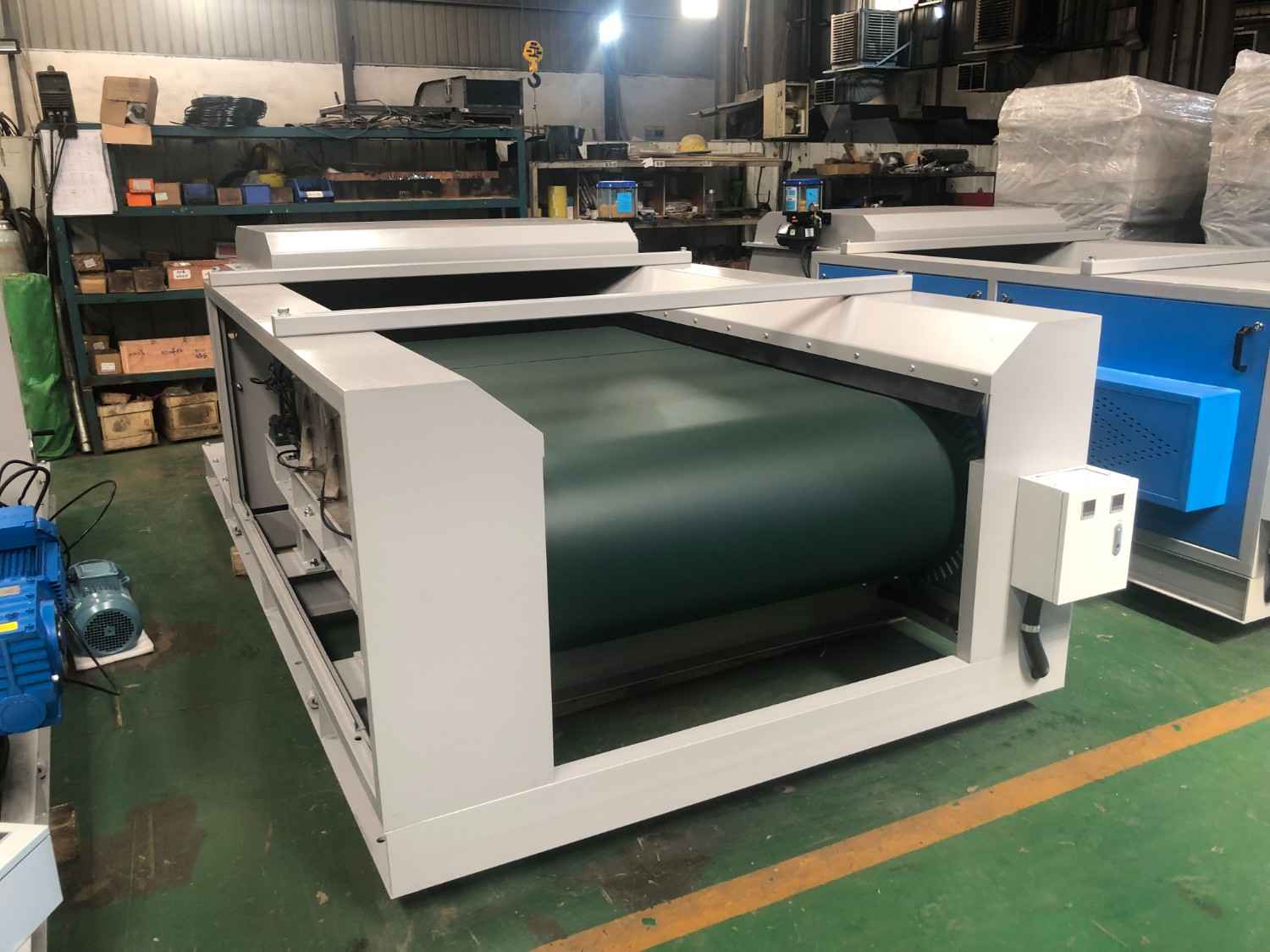

The original equipment was primarily designed around internal mechanisms and functional requirements, resulting in a conventional industrial appearance.
The redesign established a stronger product identity by:
The new design communicates precision, efficiency, and reliability — key values of modern smart manufacturing equipment.
For intelligent equipment, appearance plays an important role in communicating technological capability.
The redesign introduced:
The updated CMF strategy creates a stronger perception of:
Intelligent · Precise · Efficient · Reliable
allowing customers to immediately recognize the equipment’s advanced positioning.
Smart sorting equipment contains multiple functional modules and mechanical systems.
The redesign improved:
By clarifying the relationship between different modules, the equipment becomes easier for operators and customers to understand.
Following the SIDM process, the redesign considered production feasibility throughout development.
The design optimized:
The final solution achieves a balance between advanced appearance and practical production requirements.
Through systematic industrial design optimization, the equipment achieved improvements in both product expression and commercial value.
The redesigned intelligent sorting equipment is no longer only a machine that performs sorting tasks.
It becomes a visual representation of the company's:
By transforming technical capability into a clear product language, the redesign helps customers better understand and trust the value behind the equipment.