CASE STUDY
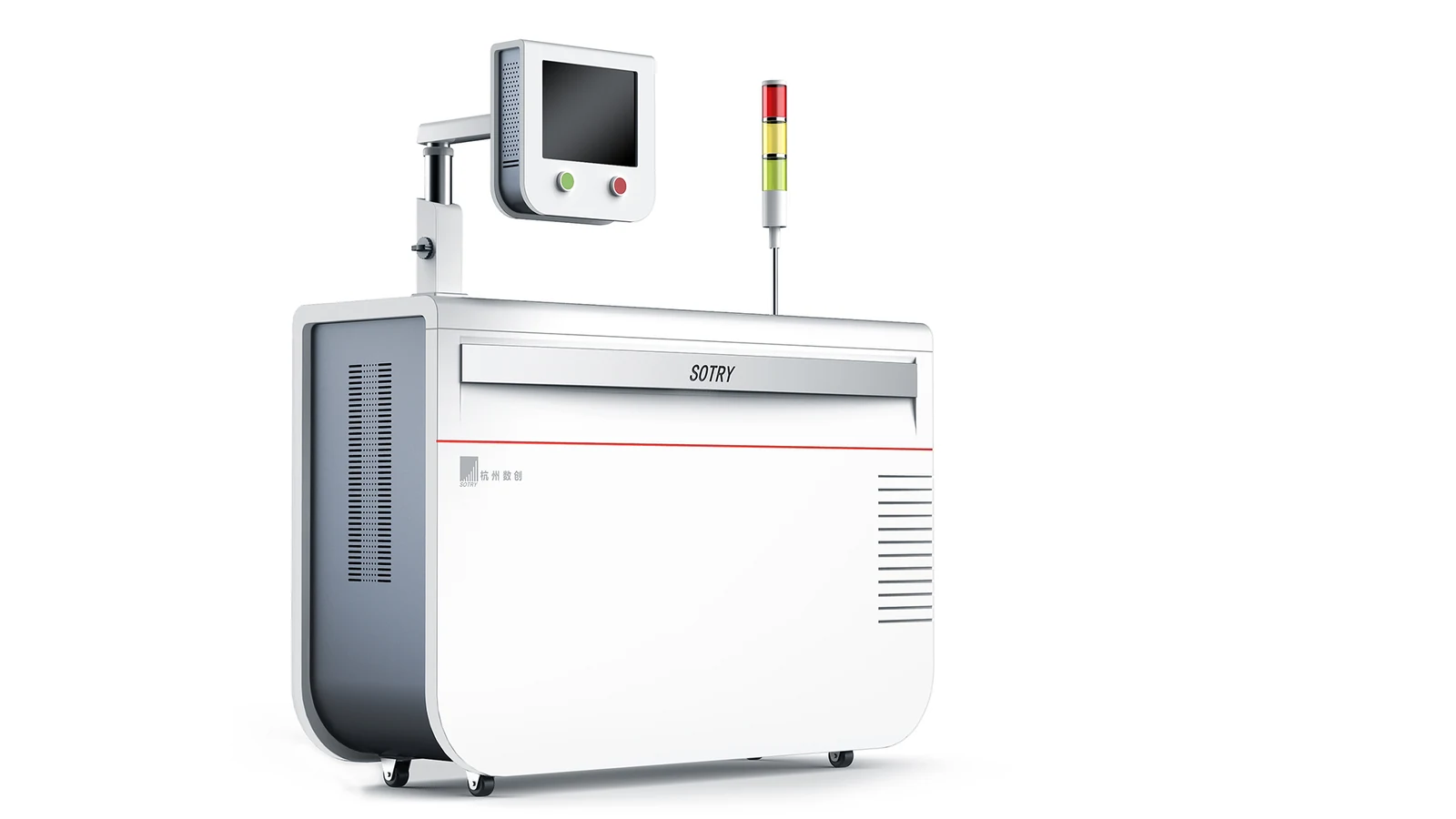
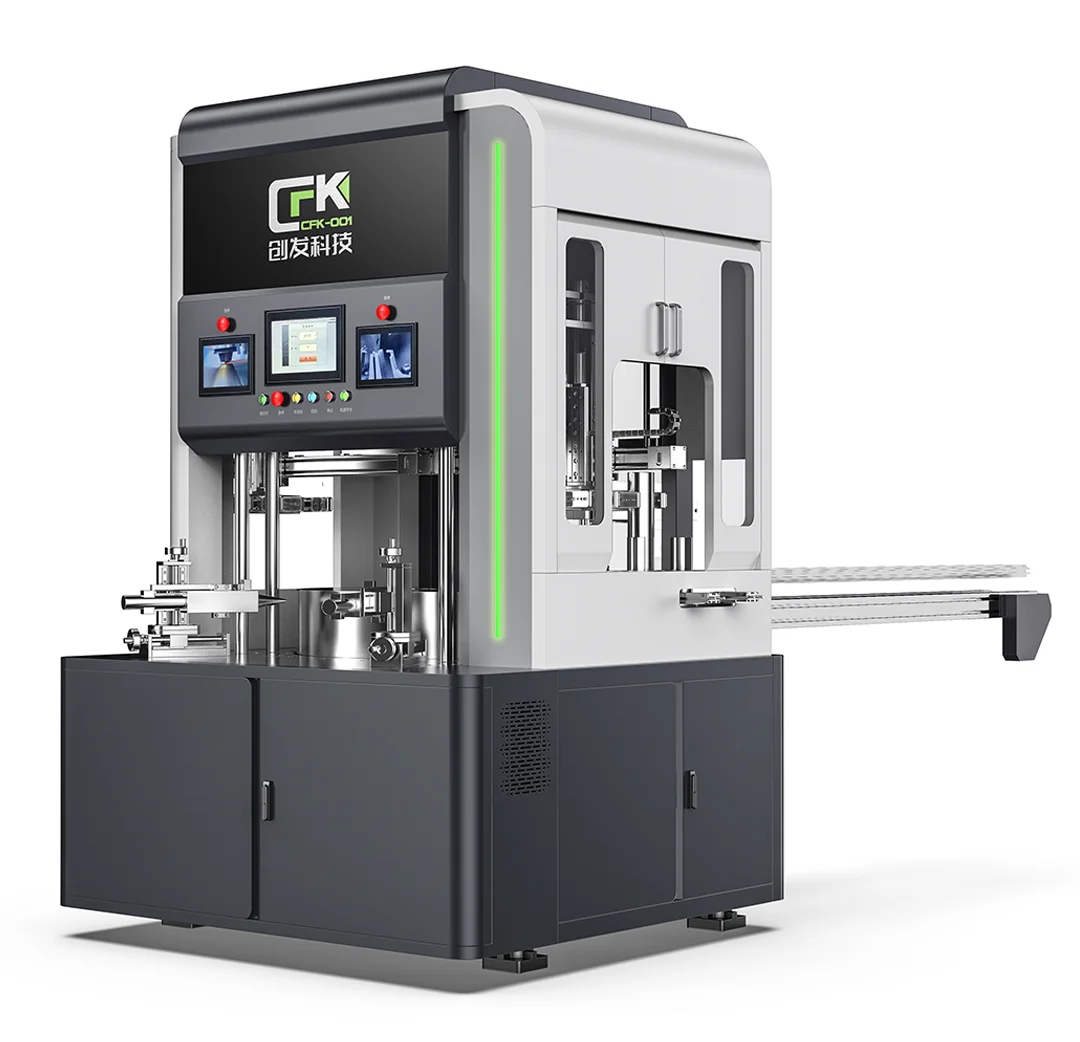
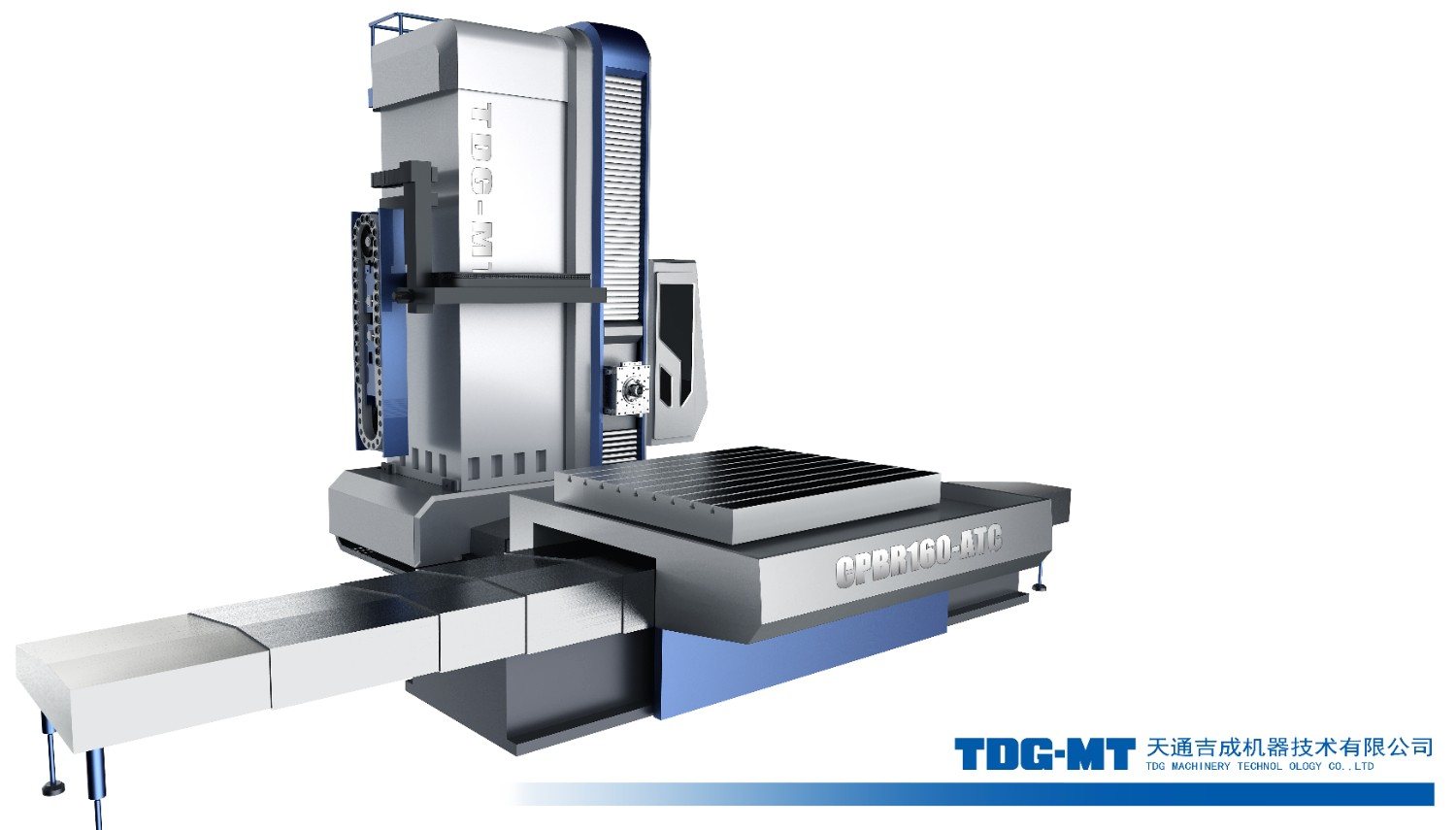
EQPID redesigned the floor type boring and milling machine to transform a traditional heavy industrial machine into a professional and recognizable industrial product.
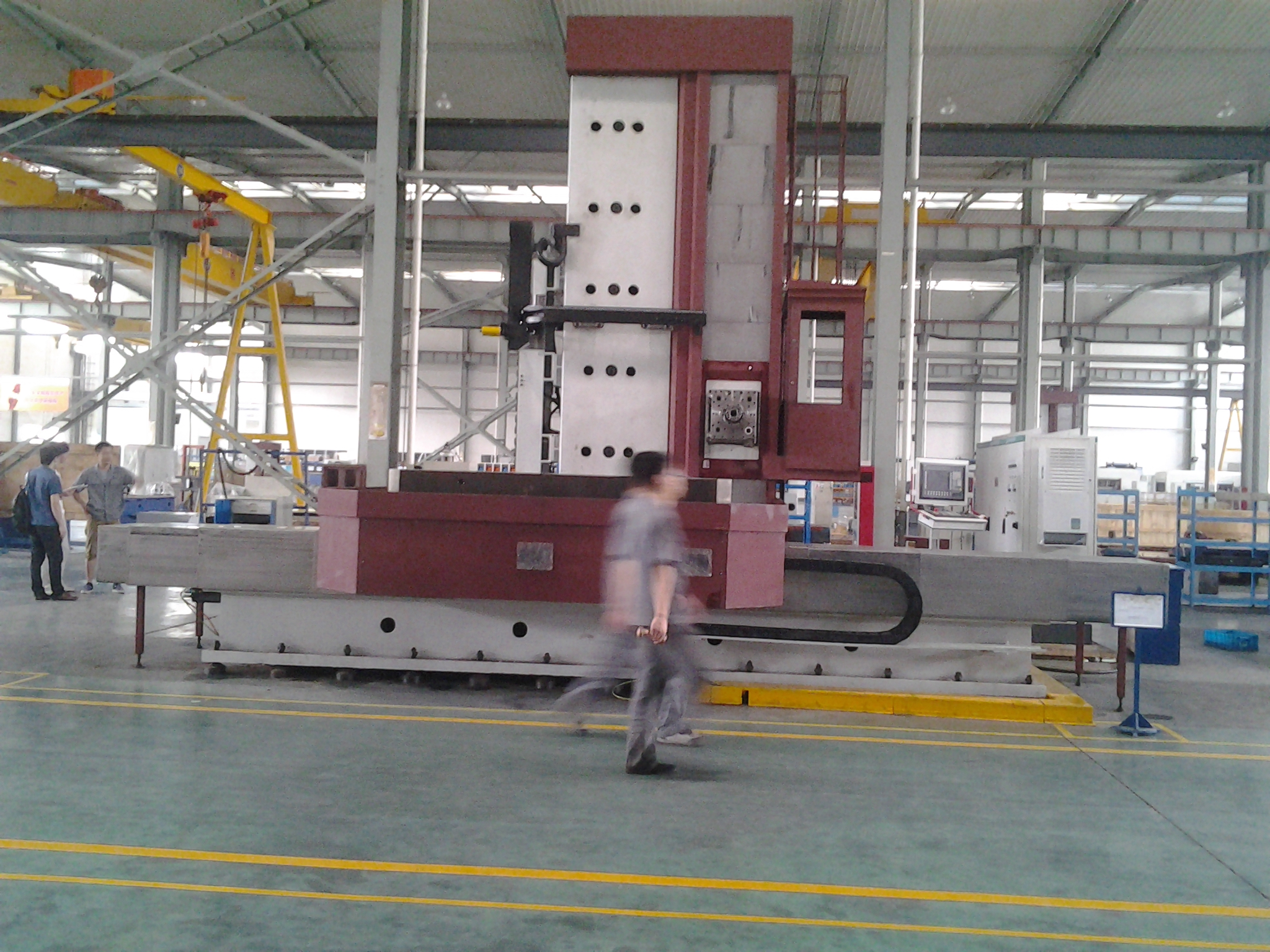
The floor type boring and milling machine is a large-scale precision machining system designed for heavy industrial manufacturing applications. As a high-value industrial asset, the equipment represents not only machining capability but also the manufacturer's engineering expertise, production standards, and technological strength.
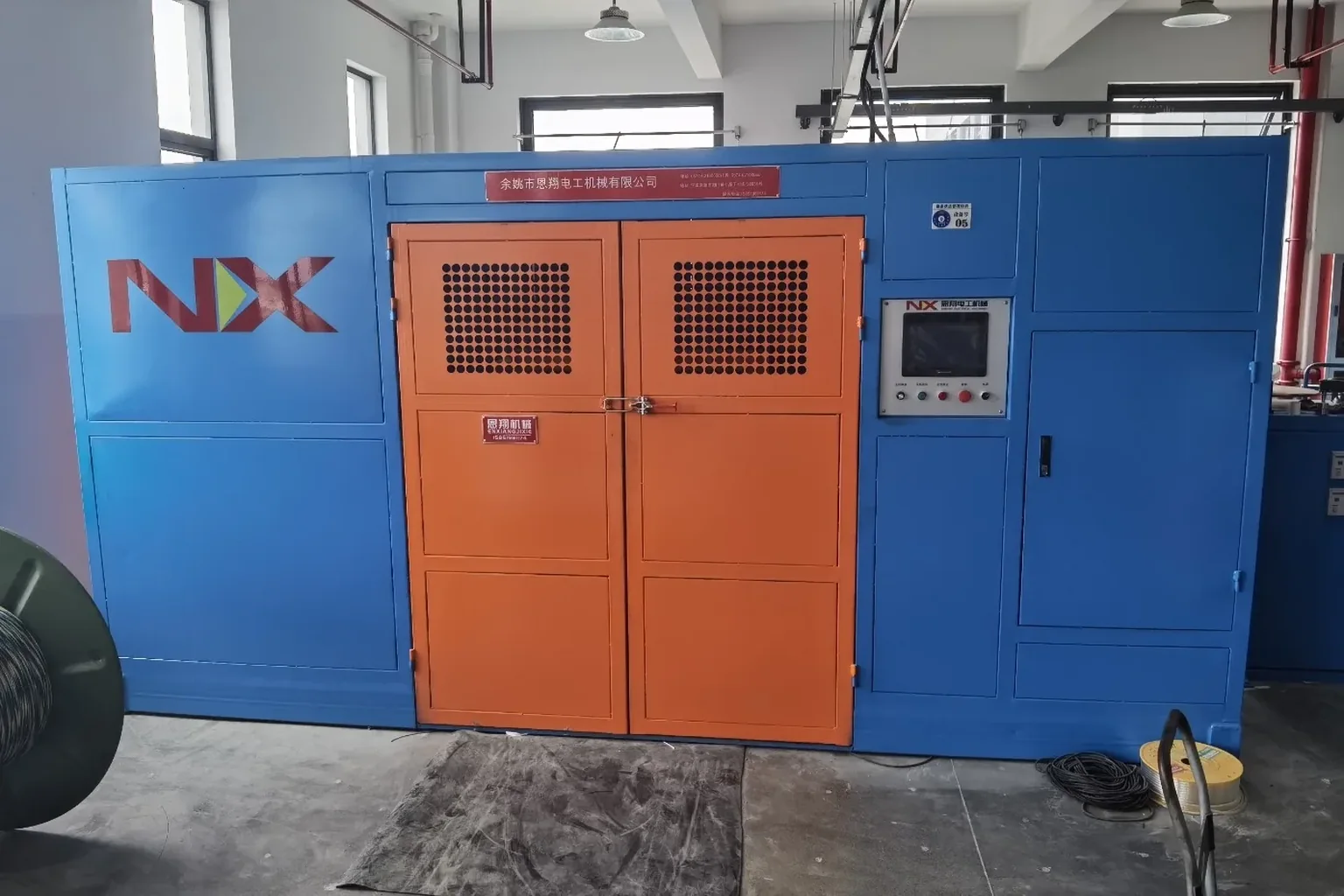
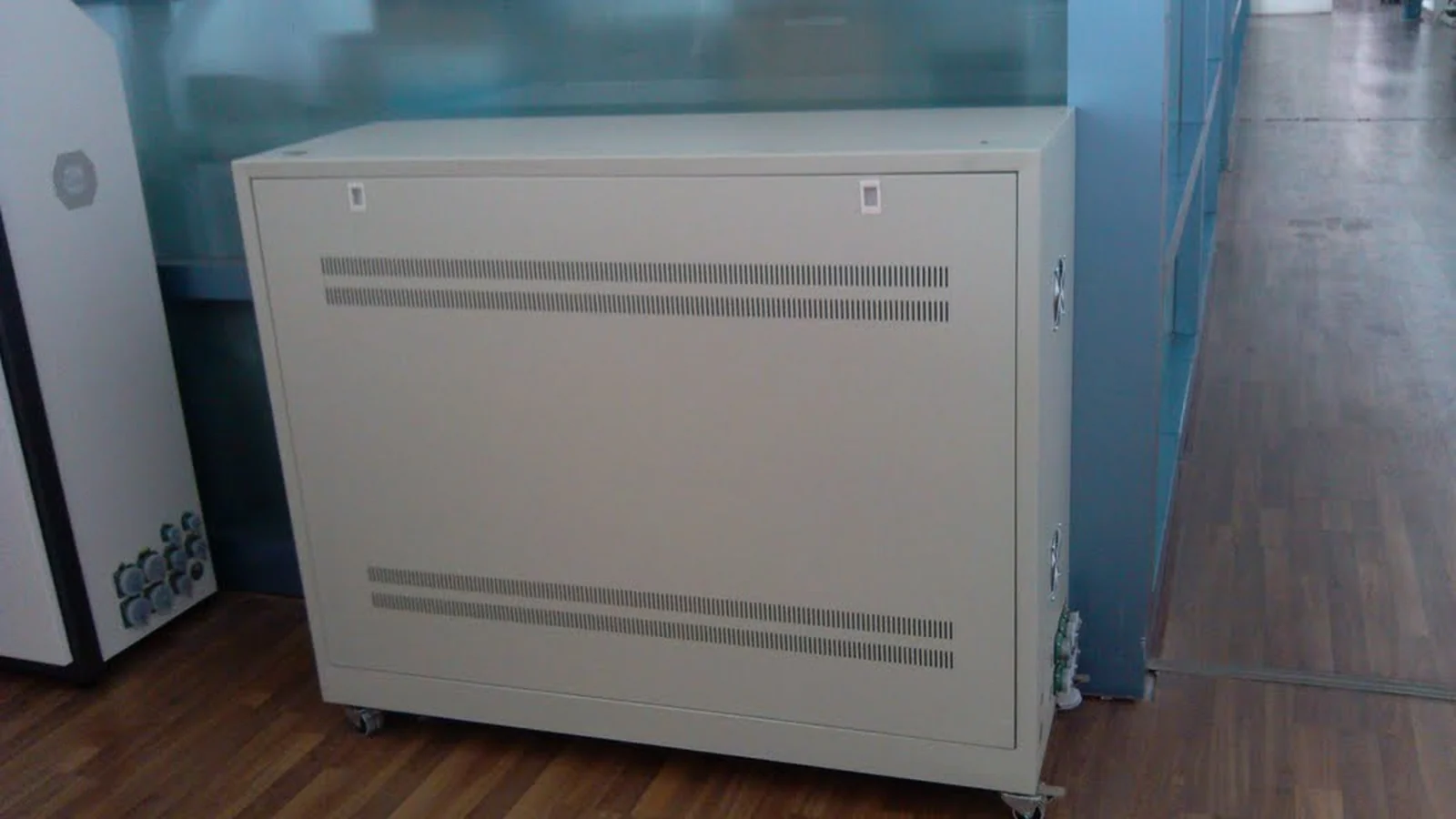
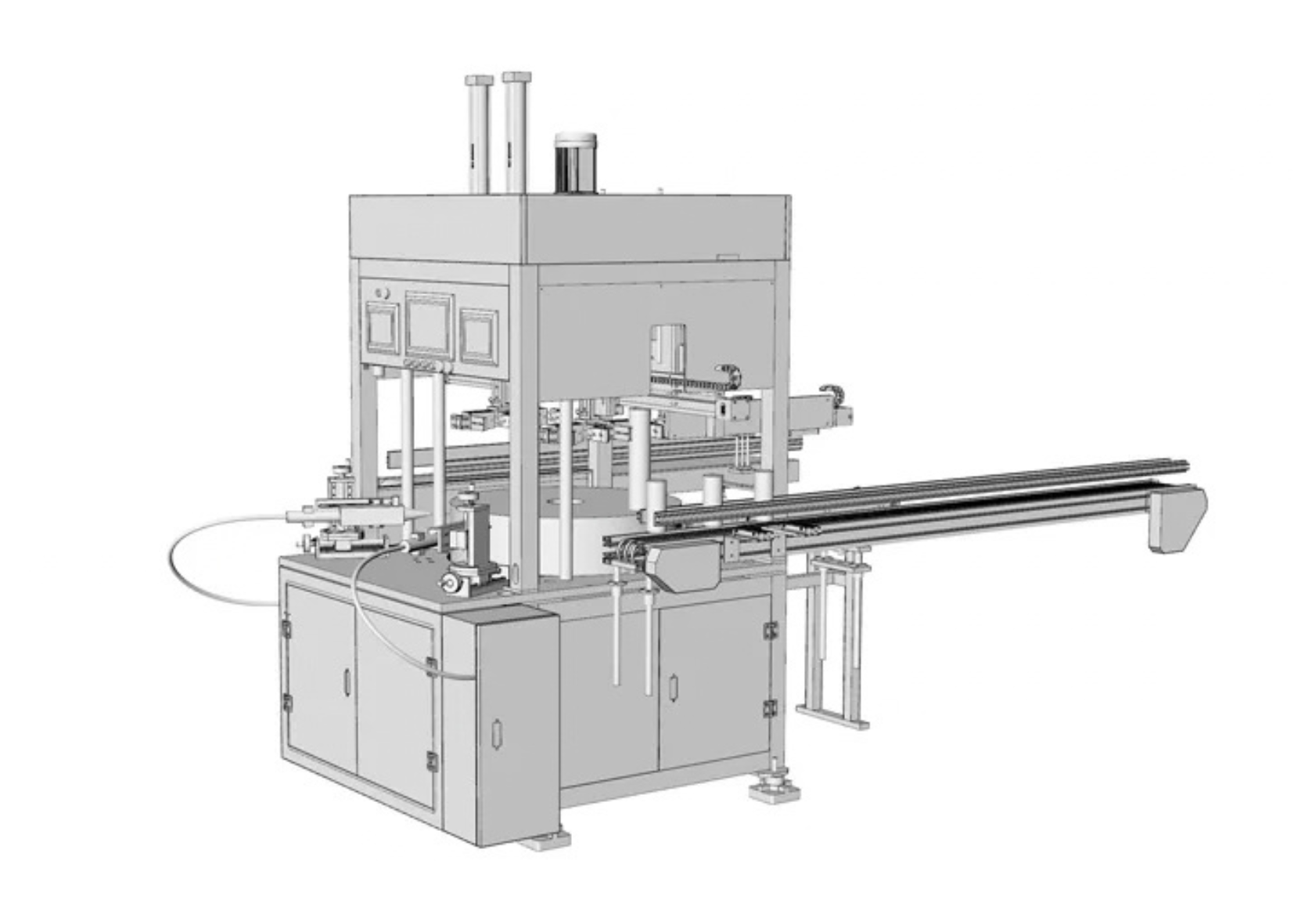
The original machine was primarily developed around mechanical performance and functional requirements. However, the traditional industrial appearance lacked a strong product identity, with complex structures, inconsistent visual elements, and limited communication of precision and reliability.
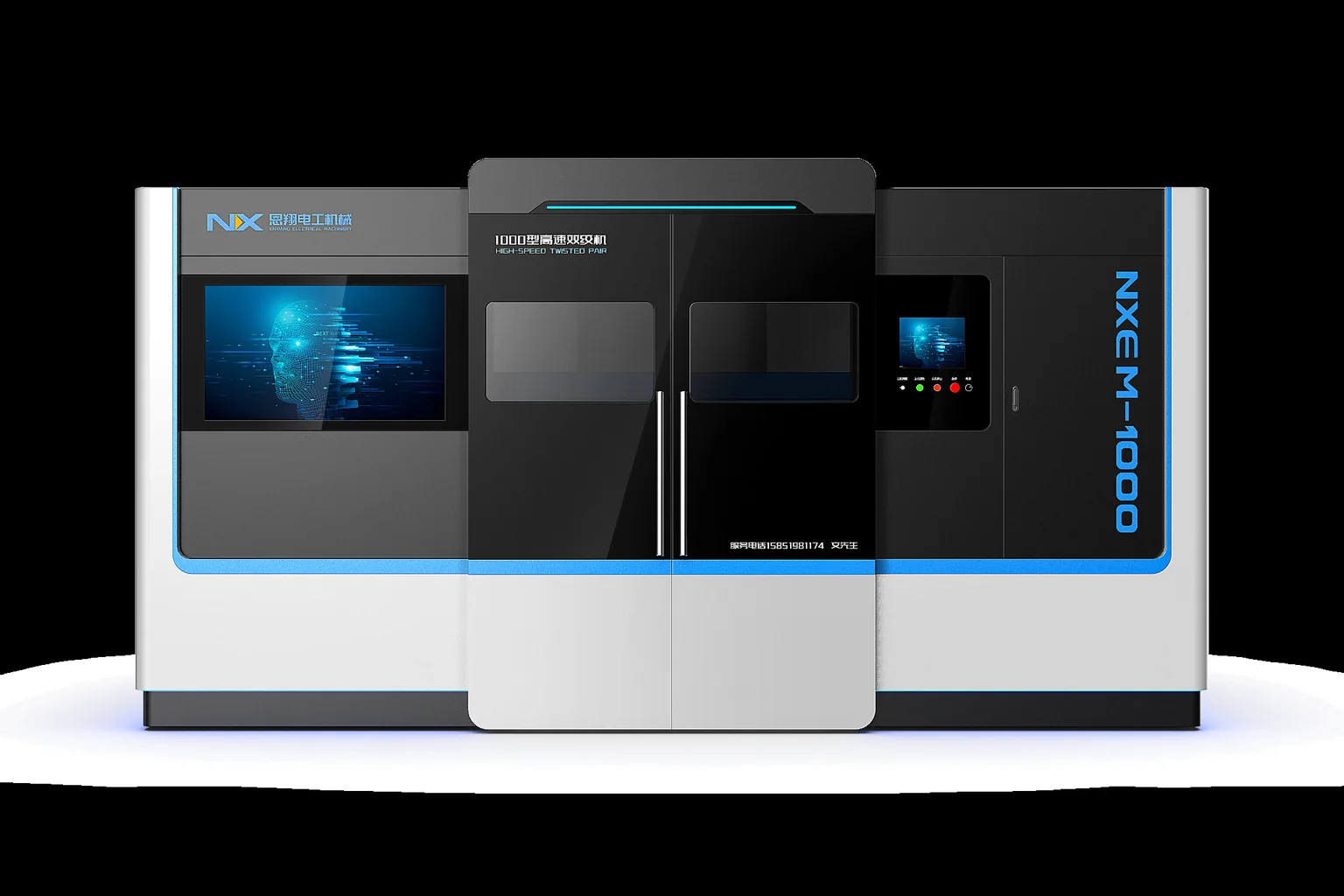
EQPID redesigned the exterior appearance of the floor type boring and milling machine by integrating industrial design principles with engineering requirements. The project focused on reorganizing the overall form, optimizing functional zones, improving visual hierarchy, and establishing a stronger product language.
The goal was to transform the machine from a conventional heavy industrial device into a professional, recognizable, and brand-oriented manufacturing solution that better represents the company's technical capability
Large-scale machine tools often have complex mechanical structures, making it difficult to create a unified product image.
The redesign starts by reorganizing the overall appearance and establishing a clear visual identity through:
The design reduces visual complexity while maintaining the powerful characteristics of heavy machinery, creating a more recognizable product image.
The equipment communicates precision, stability, and engineering confidence from the first visual impression.
For precision manufacturing equipment, appearance should reflect the machine's internal capability.
The design transforms invisible technical values into visible product characteristics:
Refined structural divisions and controlled details create a perception of machining accuracy and engineering excellence.
The robust form language expresses the equipment's ability to handle heavy-duty industrial applications.
Consistent surfaces, rational component organization, and durable visual expression strengthen customer confidence.
The product appearance becomes an extension of the manufacturer's technical credibility.
Following the principle of "good usability", the redesign improves the relationship between operators and equipment.
The design considers:
Different functional components are reorganized into clearer visual zones, helping operators quickly understand the machine structure and improving daily operation efficiency.
Industrial equipment design must be connected with real manufacturing processes.
During the redesign, the project considers:
The final design achieves a balance between refined appearance and practical manufacturing requirements.
The equipment maintains industrial robustness while achieving a higher level of product quality expression.
Following industrial brand design principles, the objective was not only to improve one machine, but to establish a reusable design direction.
The redesign creates a consistent product language through:
This provides a foundation for future machine tool series development and helps manufacturers gradually build a stronger product brand image.
Through systematic industrial design transformation, the floor type boring and milling machine achieves improvements in:
A stronger product identity allows customers to distinguish the equipment from traditional machine tools and recognize the manufacturer's professional capability.
Refined structure and organized details enhance the perception of precision, reliability, and manufacturing excellence.
A professional product appearance strengthens customer confidence during exhibitions, sales communication, and project evaluation.
The established design language creates opportunities for future product series expansion and long-term industrial brand building.