CASE STUDY
EQPID transformed a function-led, visually fragmented grinding machine architecture into a more integrated industrial product through a unified enclosure, clearer functional hierarchy, disciplined CMF, and a stronger product identity.
This project involved the exterior design of a three-head linear guide rail grinding machine for Yantai General Machinery Manufacturing Co., Ltd.
The machine combines an exceptionally long bed, a concentrated grinding zone, an independent control unit, and multiple observation and maintenance interfaces.
The design challenge was not simply to add an enclosure. It was to reorganize the relationship between the long machine bed, the central processing module, the protective structure, and the control unit without weakening the machine’s functional logic. The goal was to move the equipment from an engineering-led assembly toward a coherent machine-tool product.
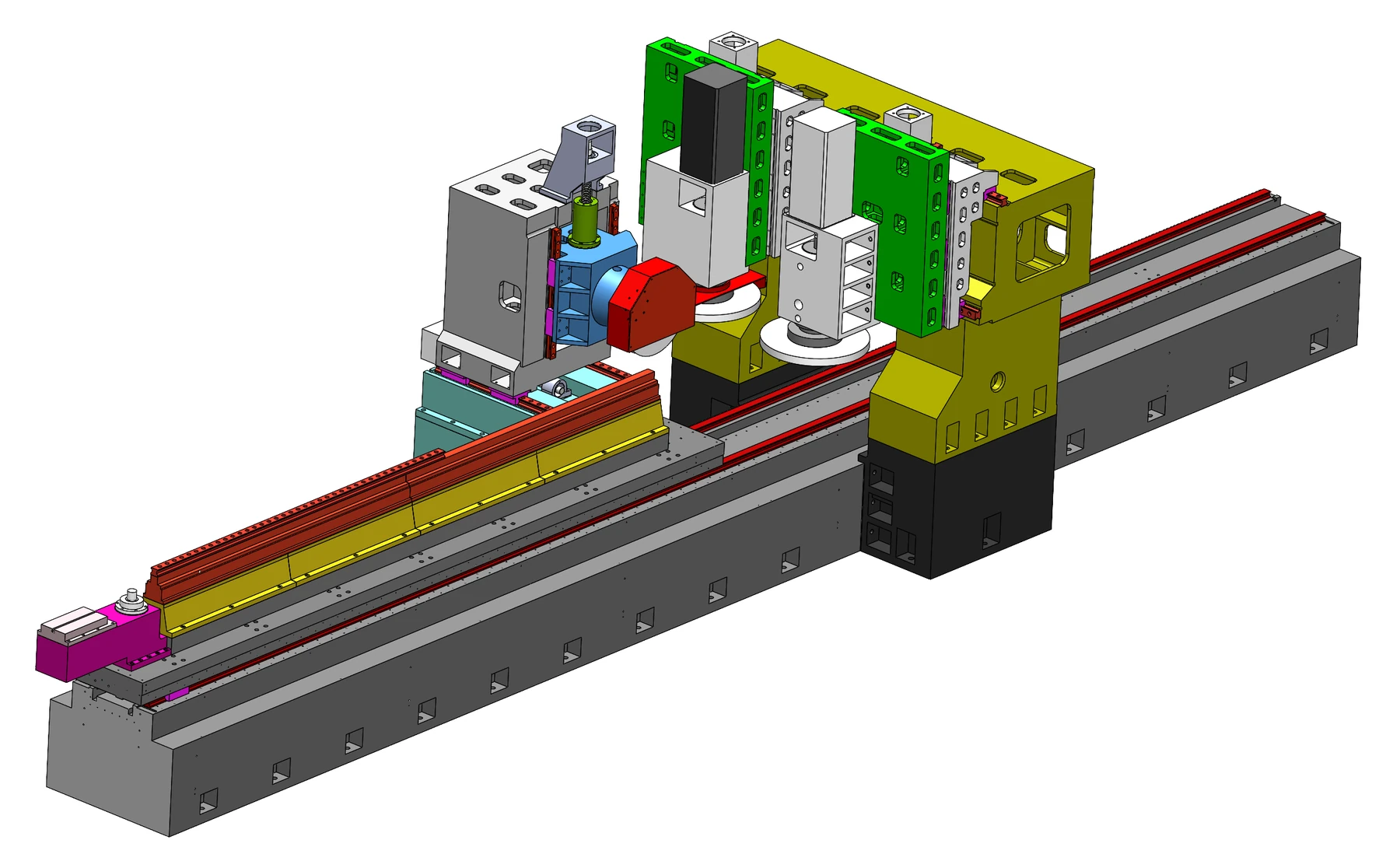
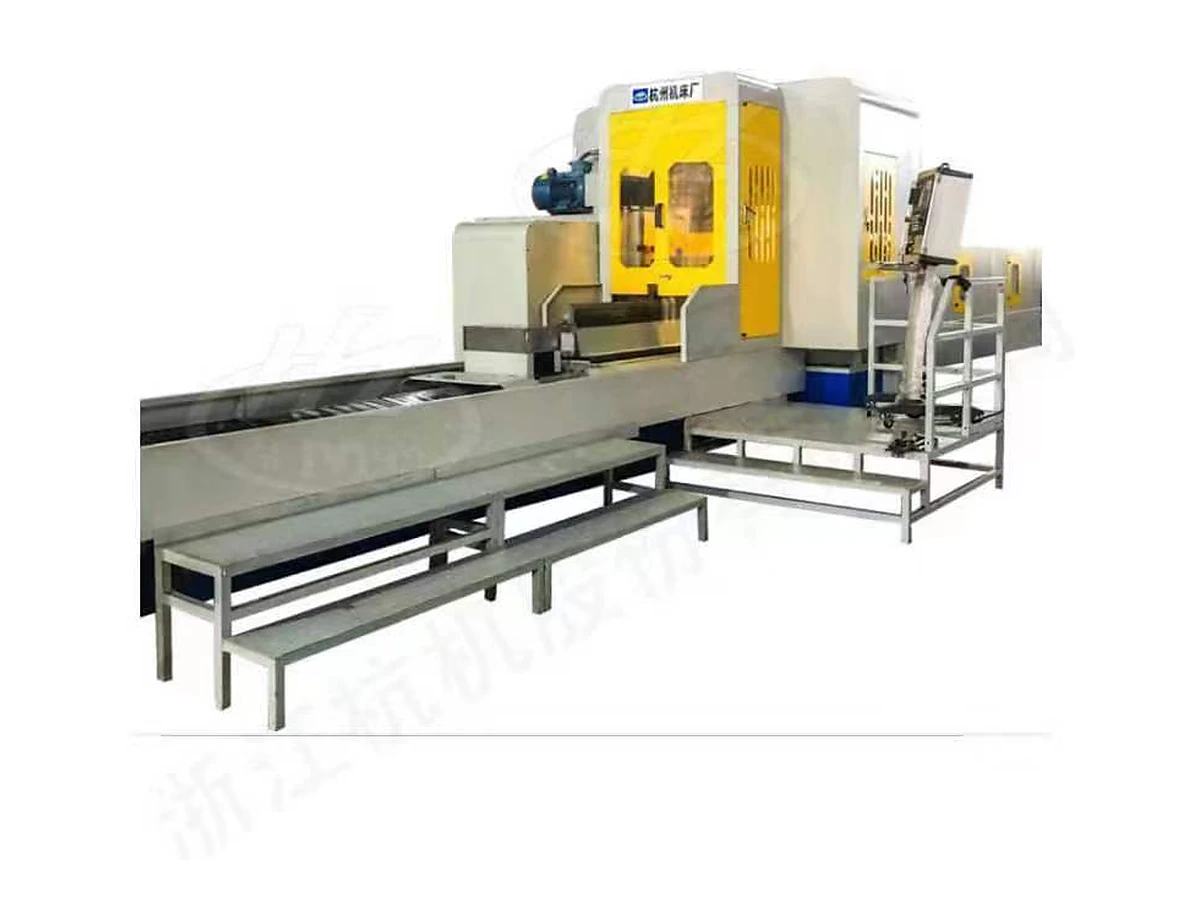
The original machine was primarily shaped by engineering requirements. The long bed, processing modules, protective covers, platform, and control components each served their own function, but the overall composition lacked a unified visual hierarchy and product language.
The yellow central enclosure, exposed structural elements, external platform, and distributed components created a fragmented engineering appearance. The machine clearly communicated technical complexity, but it did not yet present itself as a mature, integrated product.
Its extreme horizontal proportion created an additional design challenge. Focusing only on the central grinding area would leave the long bed visually disconnected; fully enclosing the machine, on the other hand, could increase mass, manufacturing complexity, and interfere with real operating and maintenance relationships.
The original equipment was dominated by engineering structure. The machine bed, processing zone, protective enclosure, platform, and control components lacked a shared product language.
Different volumes and colors operated relatively independently, so the machine’s identity was defined more by its mechanical structure than by a coherent product system.
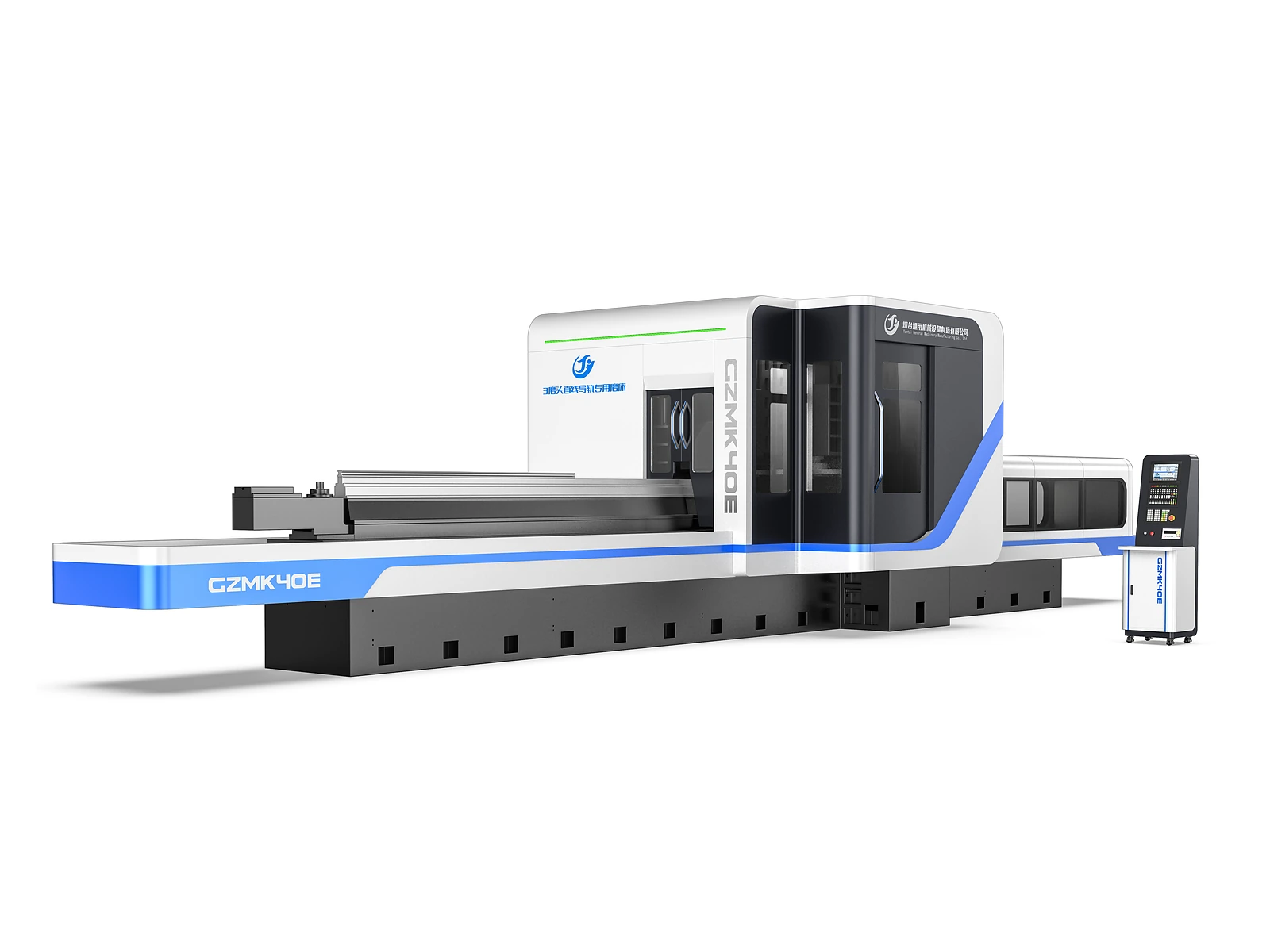
The central grinding zone was defined as the primary visual focus. A white outer frame wraps around dark operating and observation surfaces, creating a strong black-and-white contrast that organizes the most complex part of the machine into a clear hierarchy.
Rather than hiding the machine’s unusual length, the design uses a continuous blue graphic band to connect the bed, central enclosure, and rear protective section. The horizontal proportion becomes a recognizable feature instead of a visual limitation.
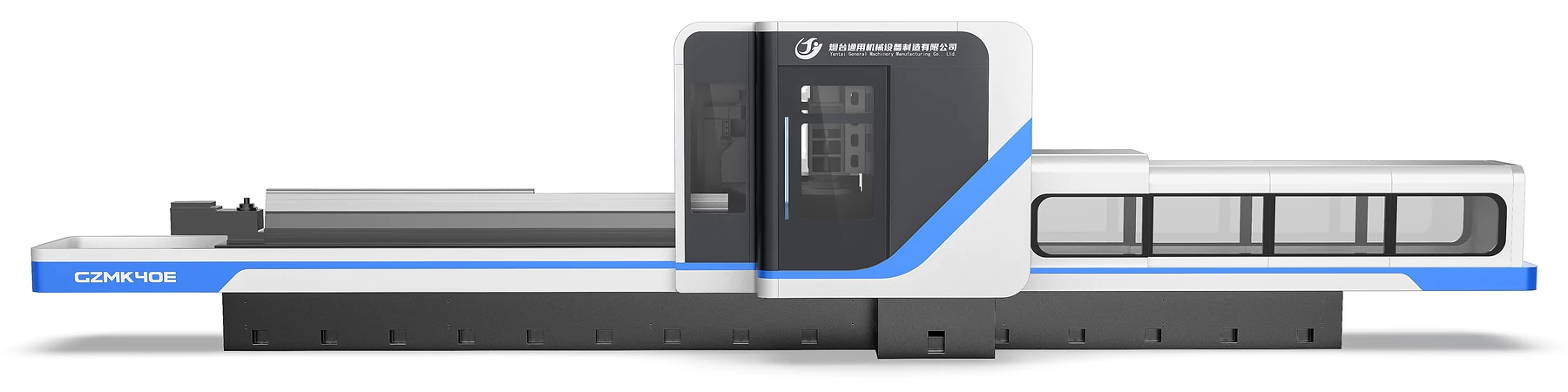
Observation windows, doors, handles, and dark functional surfaces share a consistent rounded-rectangular language. This reduces visual fragmentation and makes functional openings part of the same product system.
The freestanding control console follows the same white, black, and blue CMF as the main machine, allowing it to read as part of the equipment family rather than as an added accessory.
White establishes a cleaner and more complete equipment body, dark surfaces concentrate the operating, observation, and core processing zones, and blue creates a continuous identity line across the machine.
Color is therefore used to organize function and hierarchy, not simply to decorate the exterior.
The design creates a premium industrial appearance through large sheet-metal surfaces, clear panel divisions, and controlled radiused transitions rather than excessive sculptural geometry. This keeps the product language aligned with realistic large-machine fabrication and assembly.
Clearer relationships between observation windows, operating areas, and the independent control console make the machine’s primary interaction zones easier to understand. The design organizes existing functions into a more legible product architecture.
The central visual core, continuous blue identity line, and disciplined black-and-white composition establish stronger proportion, hierarchy, and product recognition. Fragmented engineering structures are reorganized into a complete machine-tool image.
Instead of covering the engineering architecture with overly complex freeform surfaces, the design builds its identity through large sheet-metal panels, defined part breaks, and repeatable geometric rules. The visual upgrade is therefore developed around the manufacturing logic of large industrial equipment.
Good to Use · Good to Look At · Good to Manufacture
The redesign creates a clear central product core and connects the long machine bed through a continuous visual language. Dark observation zones, the white equipment body, the blue identity band, and the independent control console are brought into one coherent design system.
This is not a cosmetic shell placed over the original machine. It is a coordinated transformation of visual hierarchy, functional zoning, CMF, and manufacturing logic.
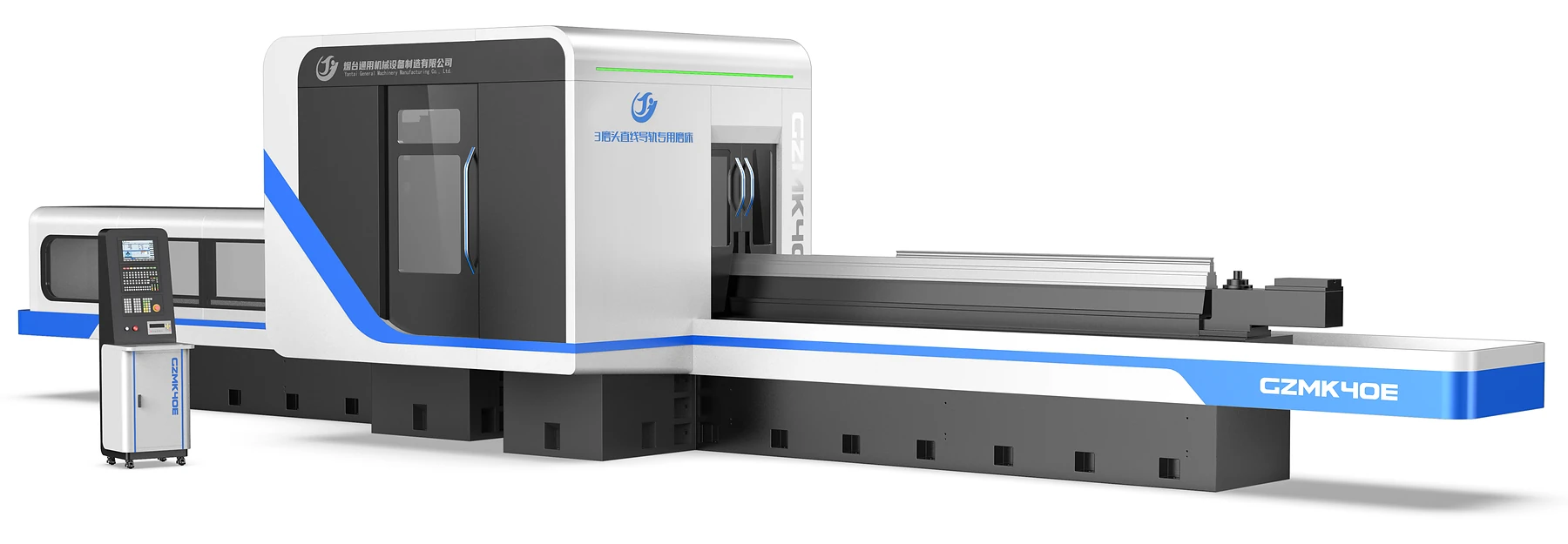
The final design preserves the real scale, length, and engineering character of the grinding machine while significantly improving its overall integration, visual order, and product recognition.
Previously fragmented structures are reorganized into a clear product architecture. The central processing zone becomes easier to identify, the long bed becomes a continuous visual feature, and the control unit is integrated into the same product family.
The machine moves from a function-first engineering system toward an industrial product capable of expressing the manufacturer’s technical capability and brand ambition.
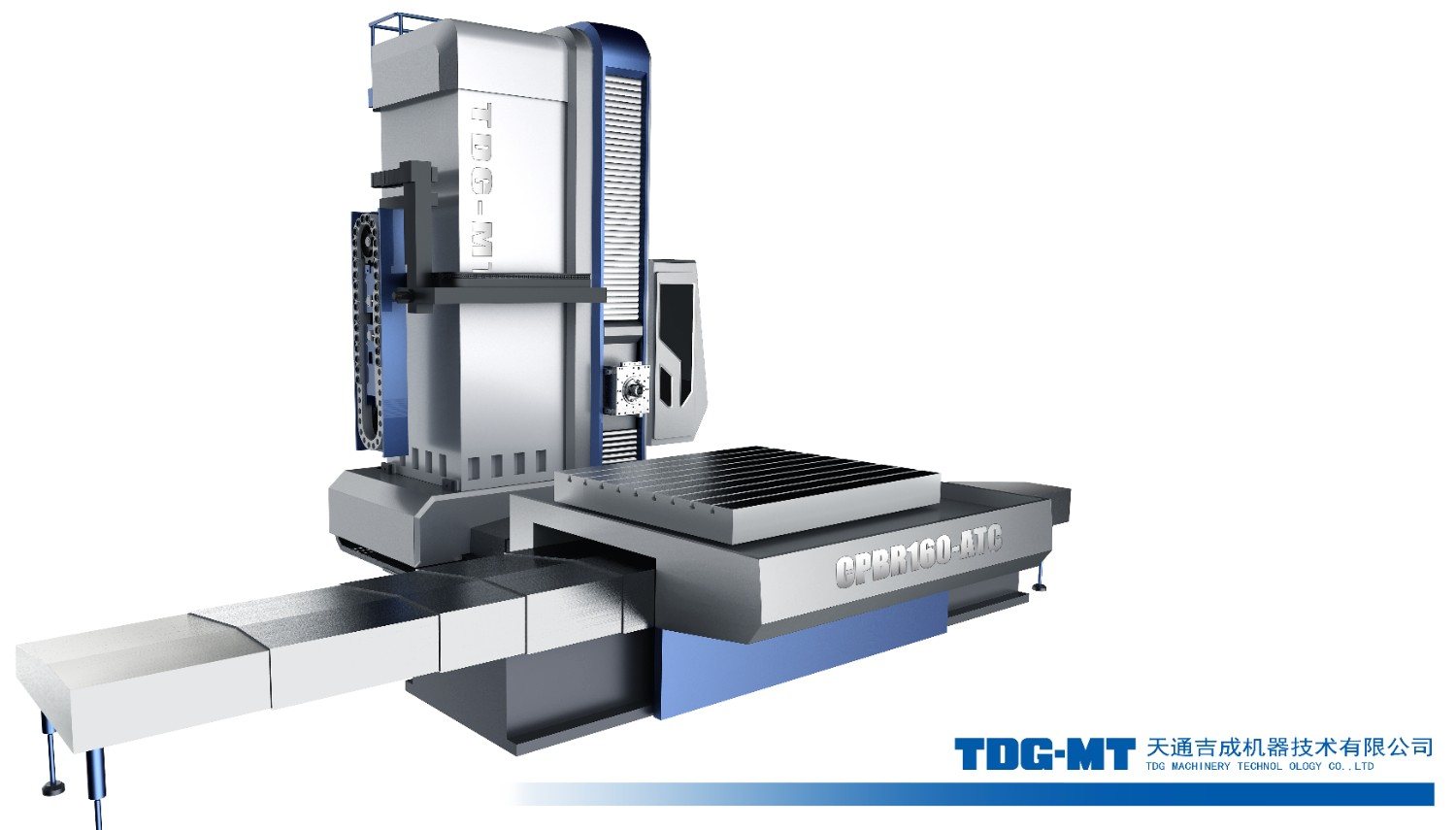
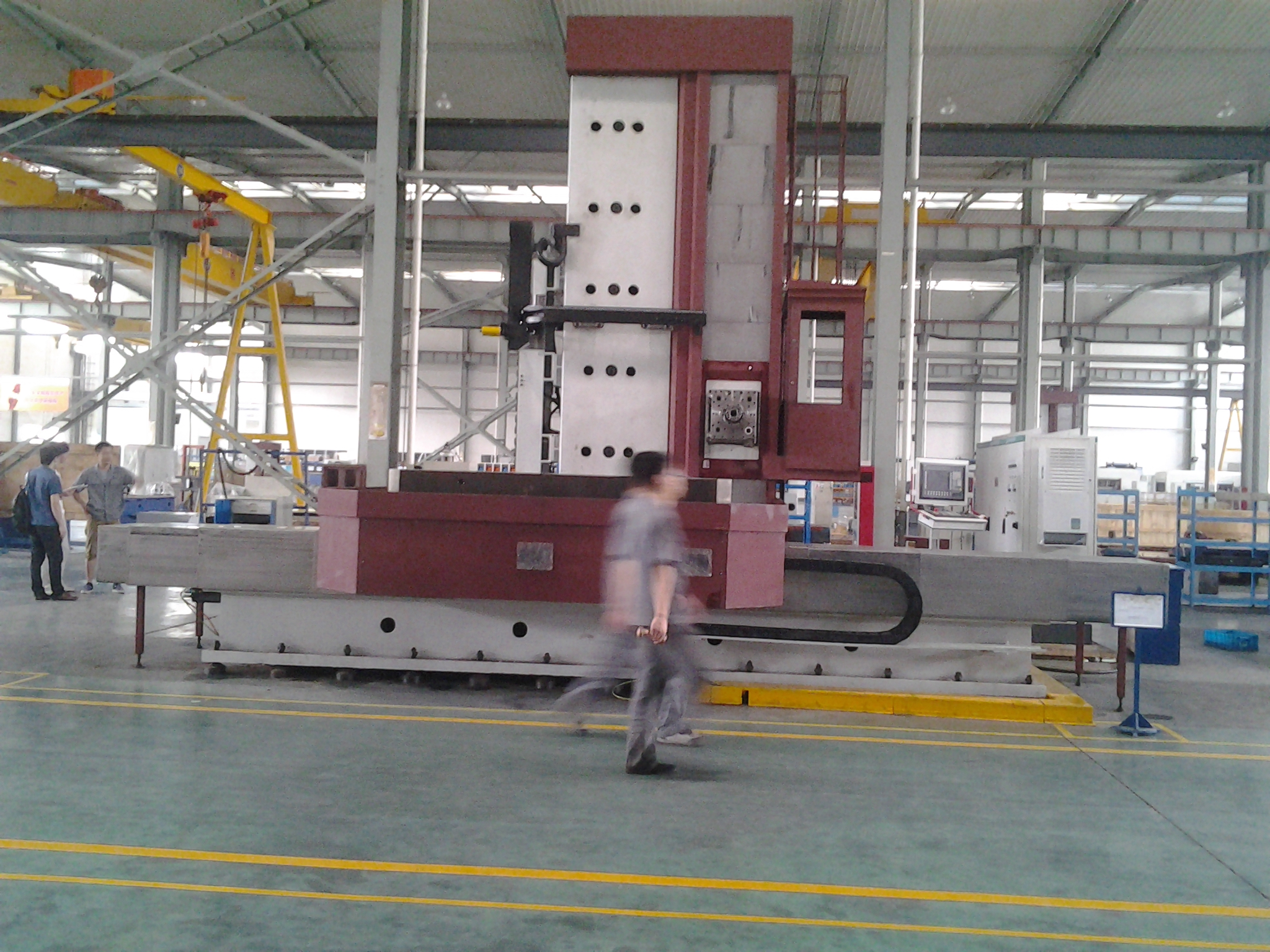
EQPID redesigned the floor type boring and milling machine to transform a traditional heavy industrial machine into a professional and recognizable industrial product.
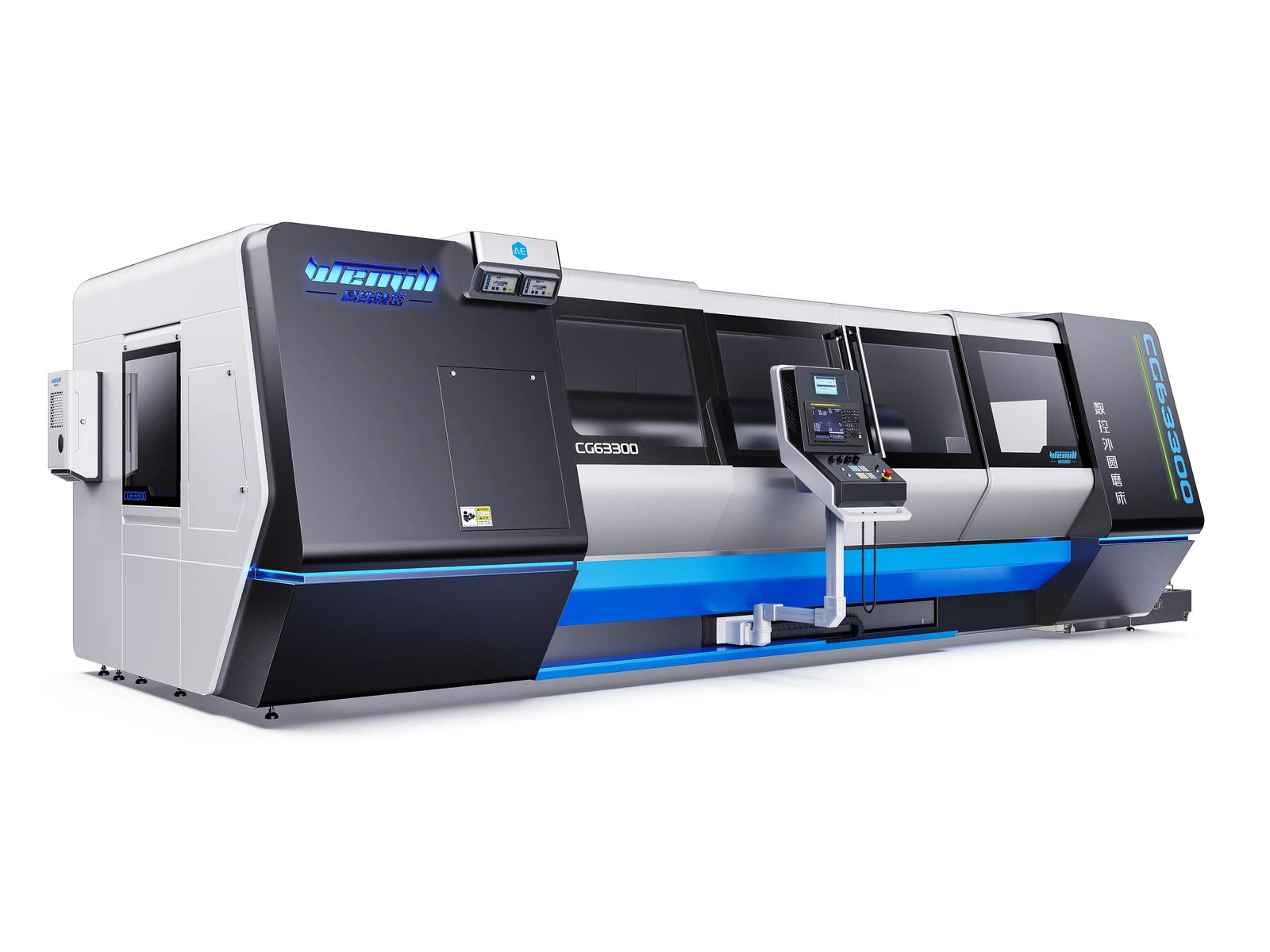
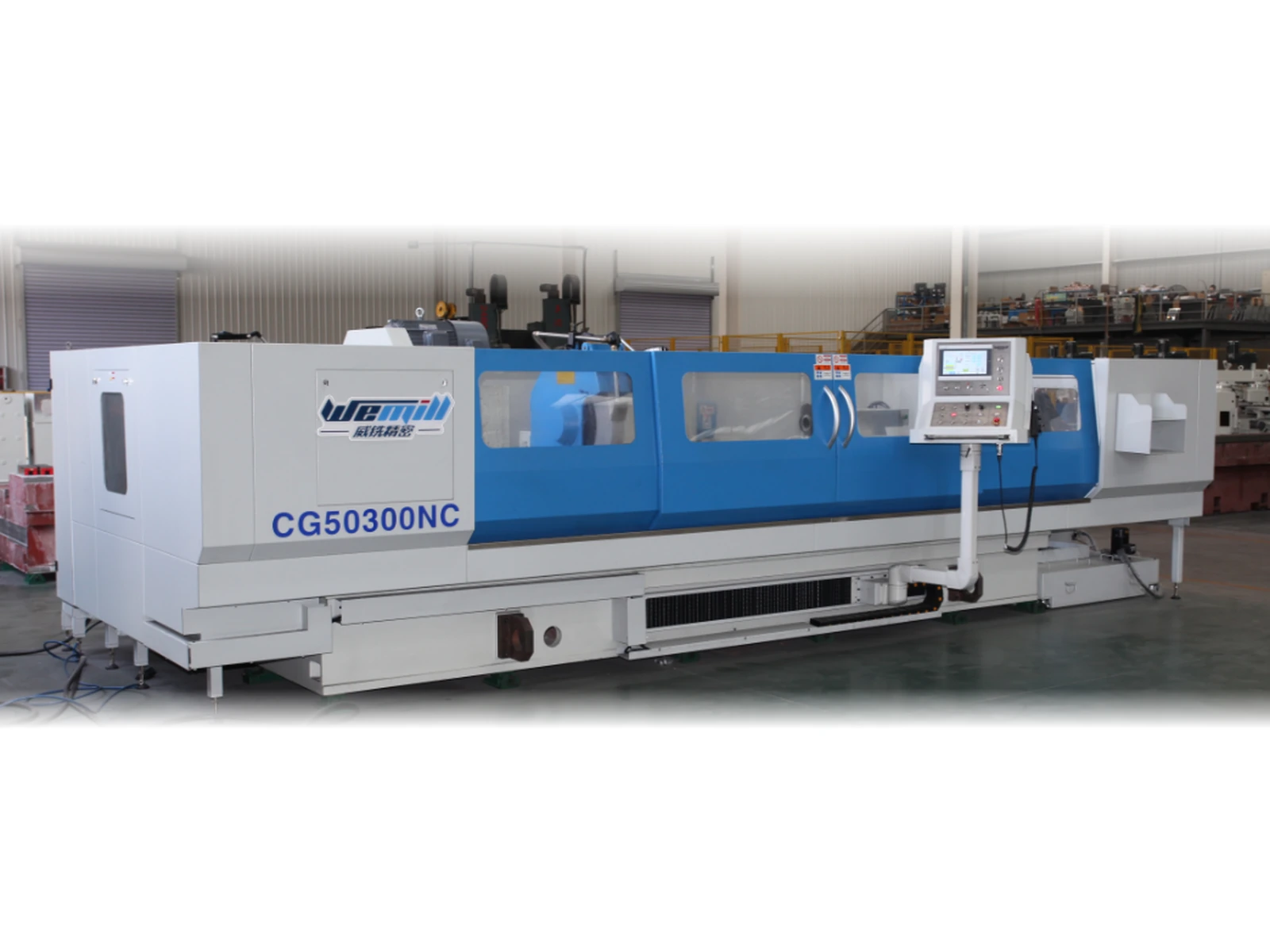
EQPID developed an exterior design proposal for the CG63300 large CNC cylindrical grinding machine, unifying its enclosure, viewing areas, operator interface and CMF.
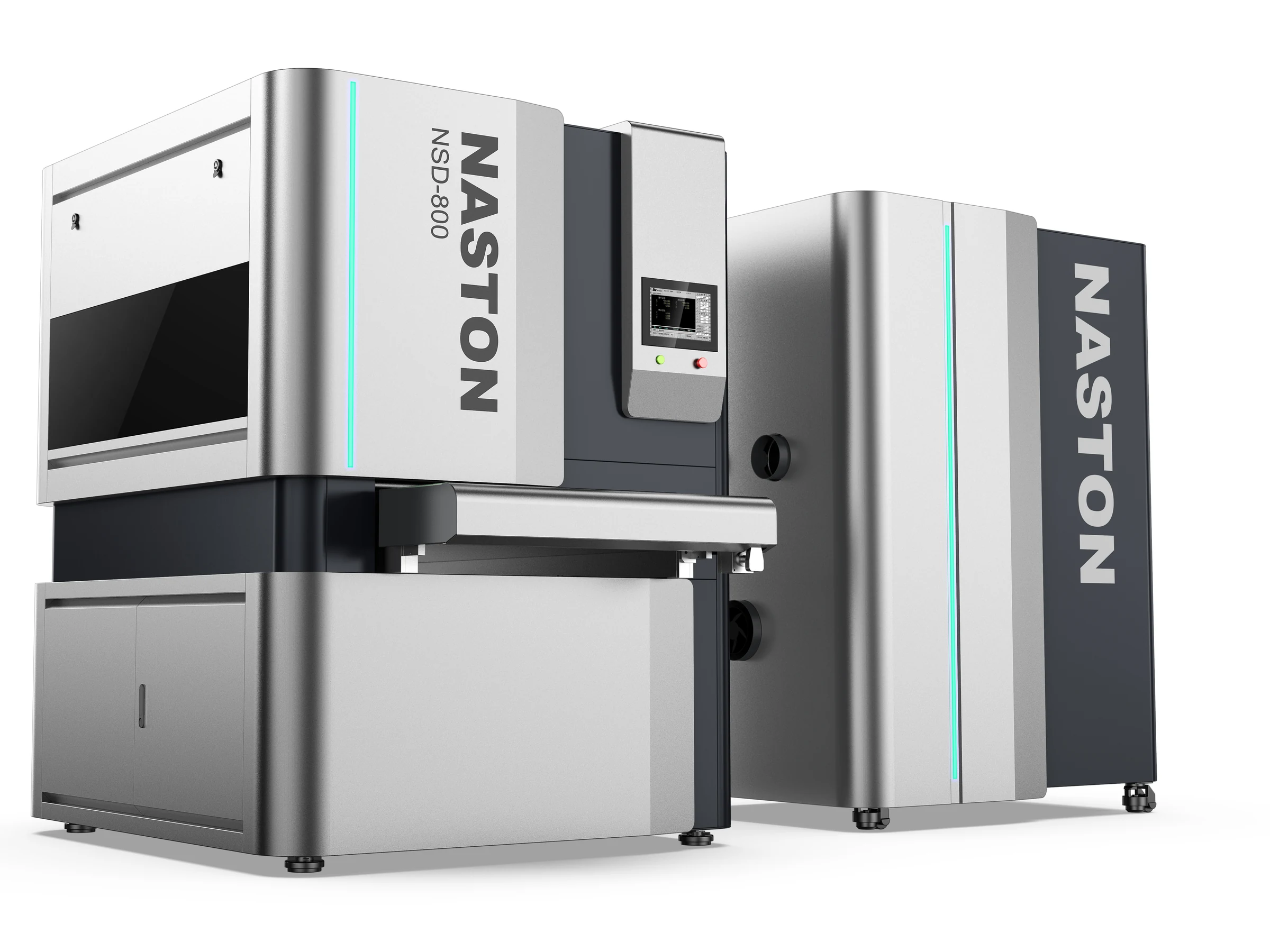
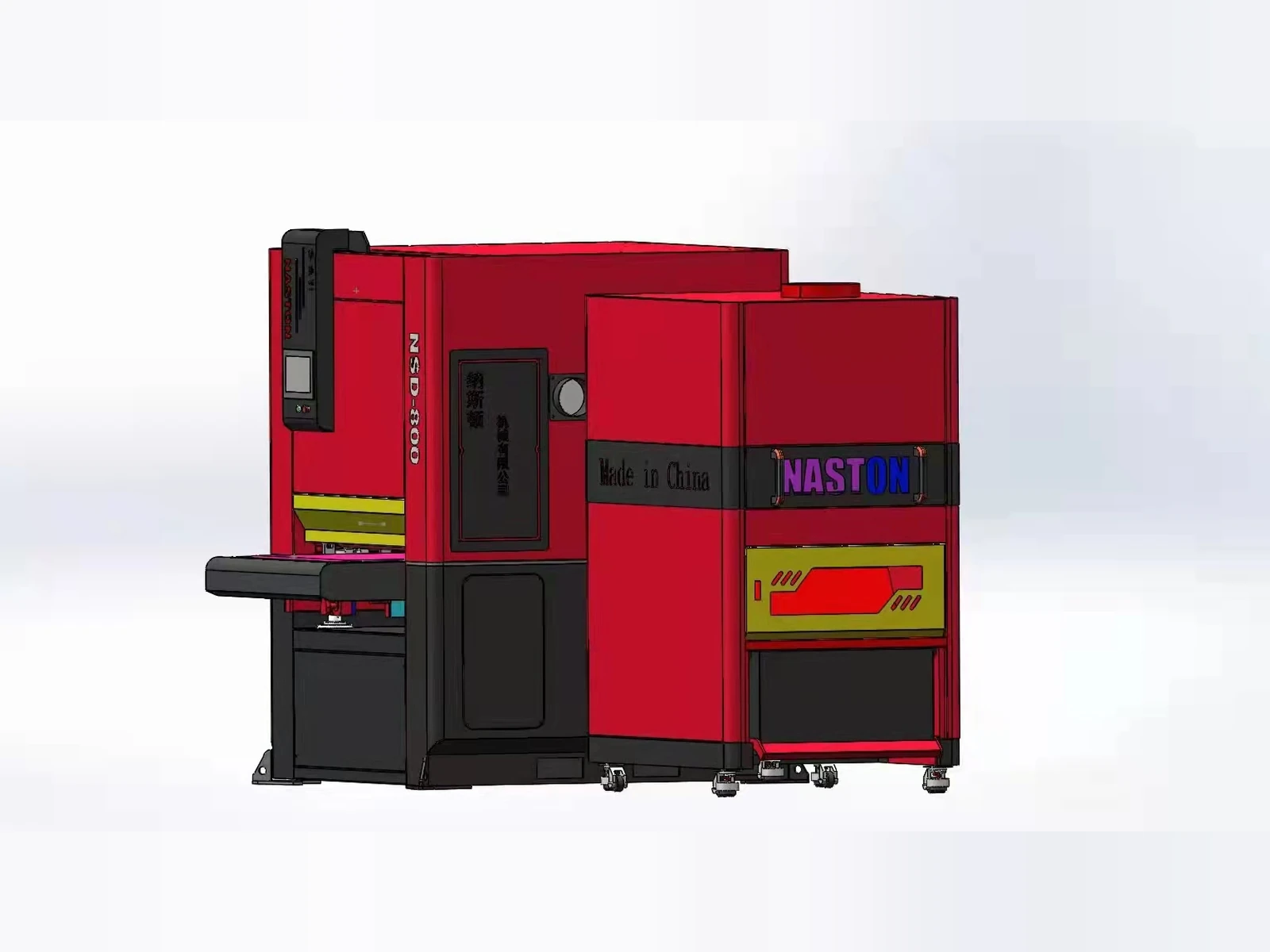
EQPID redesigned the NSD-800 polishing machine around a clearer product architecture, reorganizing its functional modules, operator interface, CMF and brand expression into a more integrated and recognizable industrial product.
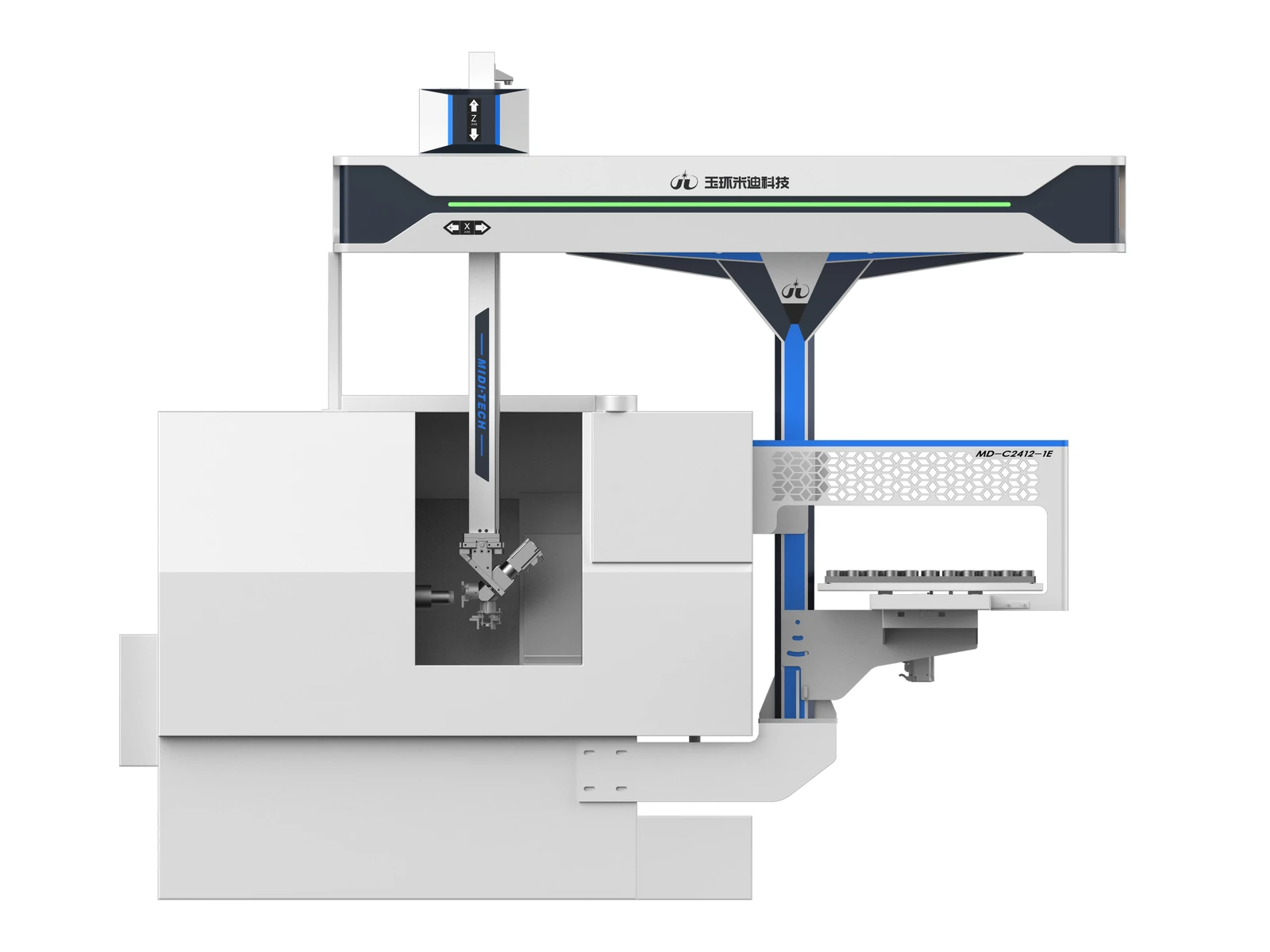
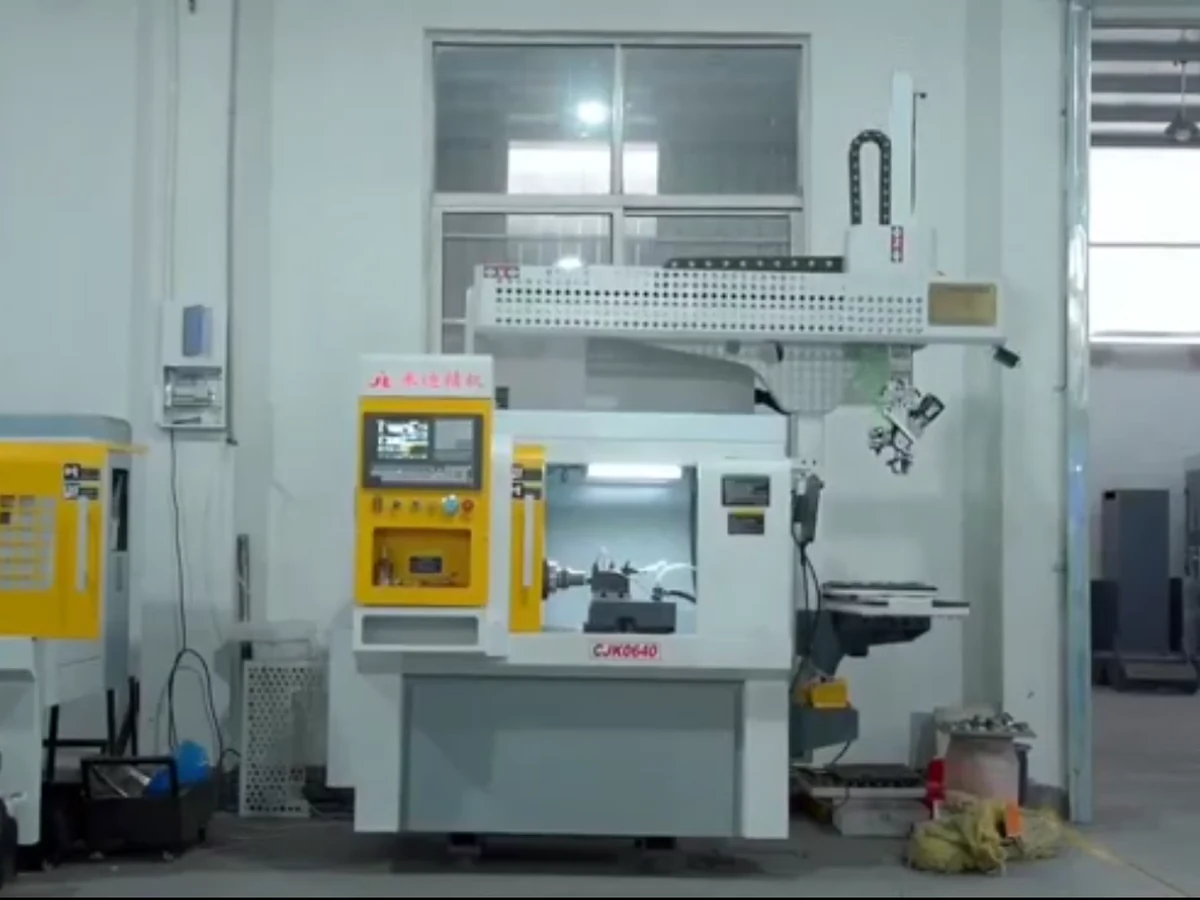
For a machine-tool loading and unloading application, EQPID reorganized the gantry beam, Z-axis module, material handling area, and machine body into a more integrated automation product with clearer hierarchy and stronger visual identity.