CASE STUDY
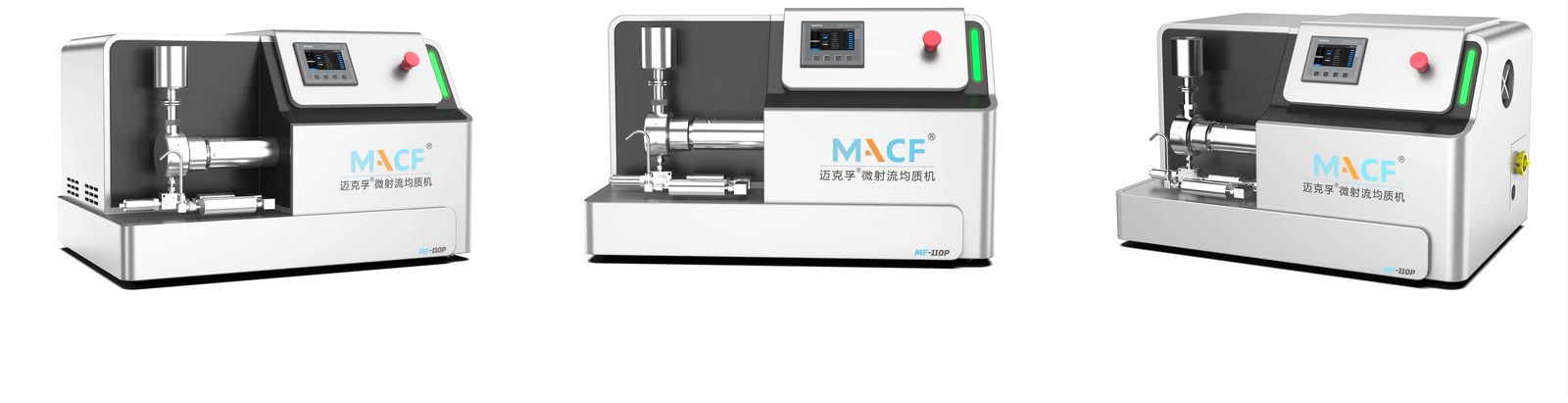
Exterior design for a benchtop microjet homogenizer: the enclosure language is reasoned backward from sheet-metal constraints, a silver-white body and black control deck form a two-volume order, and a single green line marks the operating side — a clean, restrained image that holds up up close.
The most common image of a laboratory device is a sheet of bent stainless steel: every function is there, yet the enclosure merely wraps the components — tubing exposed, cutouts placed wherever they fit. It looks like a machine that never got finished.
This benchtop microjet homogenizer, built for a biotechnology company, runs small-batch, multi-batch homogenization trials. Its enclosure language does not rely on injection molding — it holds entirely within what sheet-metal fabrication can deliver, and that is why this design starts from manufacturing.
Production volume rules out injection molding and complex surfaces — the enclosure language has to hold within what a press brake can deliver. So the first step was to put constraints on the table: which surfaces fold in one stroke, which seams must align, which radii the tooling can produce consistently. Every edge and seam on the shell was reasoned backward from what can fold, weld and assemble.
Good manufacturing does not search for processes after the design is finished — manufacturing joins the judgment during design. — SIDM Methodology V5.0

The finished machine is built from two volumes. A white base enclosure gathers power, drive and cabling; the upper volume extends forward into a black angled control deck. White carries stability, black carries use — the visual weight lands on the touchscreen and the e-stop, so users never search for where to operate.
Form comes before decoration: one green accent line under the control deck is the only bright color on the body, and it states one thing clearly — this is the operating side.
The heart of microjet homogenization is a set of precision pump valves and tubing. Rather than hiding it, the design leaves an open working zone at the front: stainless components at eye level, gauges, ports and refill points all visible. What can be touched, what is core, what is risky — the enclosure communicates those zones.
The relationship between shell and function is not concealment versus exposure, but order: the shell collects what need not be seen and reveals what must be.
The palette starts from the lab environment. Silver-white grey echoes stainless steel and cleanroom expectations; the black control deck anchors the visual weight; a single green line provides the only state color. Yellow warning labels concentrate around the filling port and the high-pressure zone — visible, but never competing with the main composition.
What this project hands to engineering is not a render to admire from afar, but standards that can be judged, executed and inspected:
Think sheet metal first, and return to sheet metal at the end. When the design is done, the manufacturing path is already clear — and the machine earns a clean, restrained image that holds up up close.

Exterior design for a laundry feeder: a chamfered top profile and white-blue formal language build line-level recognition, transparent guards and three workstation panels let the work zone explain itself, and systemic consistency carries quality across several meters of body.


Exterior design for a benchtop servo press: a C-shaped arch body folded in sheet metal strengthens the pressing-machine silhouette, a cyan light band set into the seam states machine status, and orange perforated guards turn the safety zone into a visual part — certainty made visible.
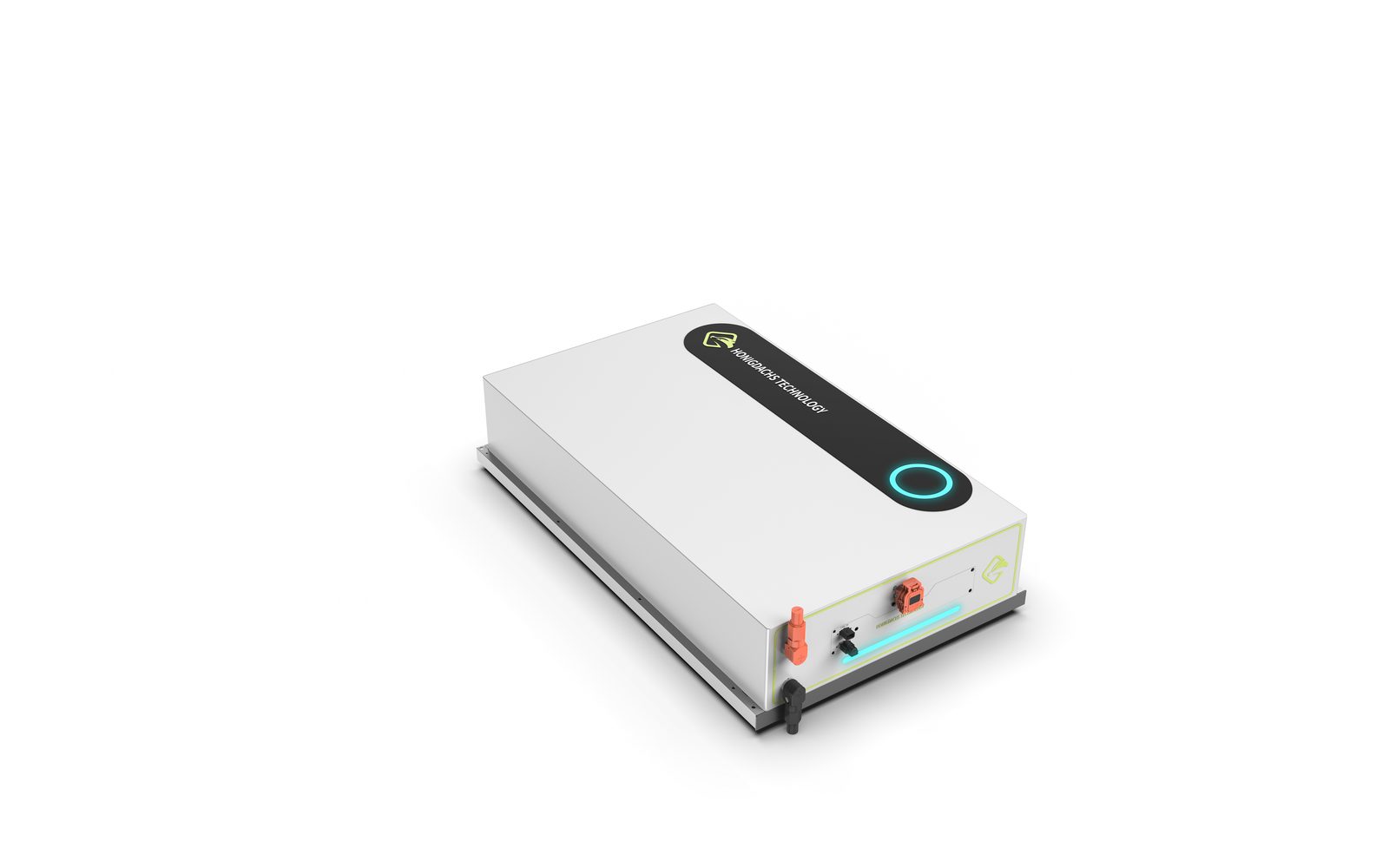
Exterior design for a battery module: a low flat volume with a slide-rail base serves the stacking logic, a black top plate with a cyan ring status light anchors brand recognition across the array, and the interface face separates high-voltage warning, status and maintenance zones with a clear color order.