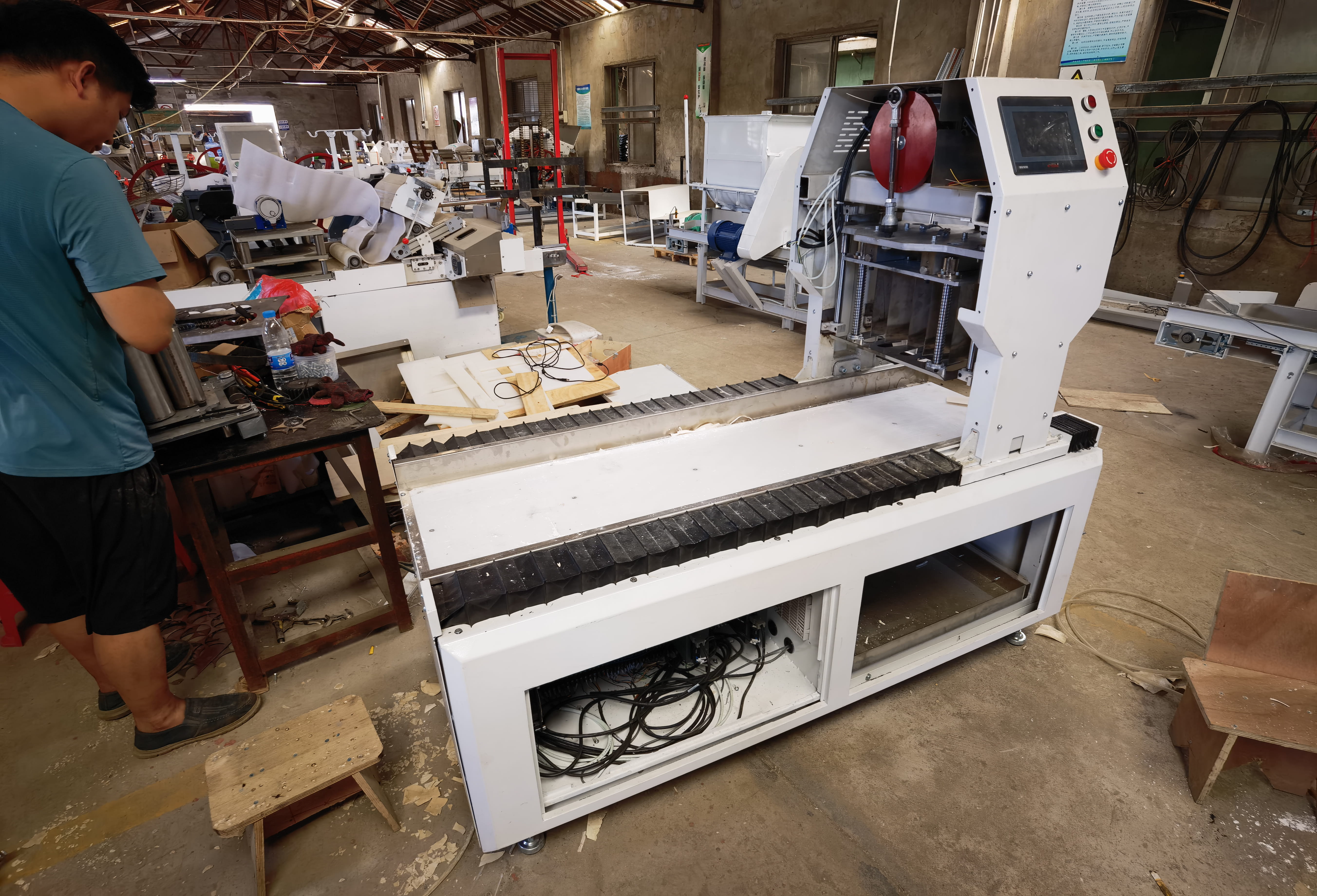
CASE STUDY
EQPID transformed a thermal circulation regeneration system from an exposed engineering assembly into a more integrated industrial product by reorganizing the enclosure, operating interface, ventilation, visual hierarchy and sheet-metal structure.
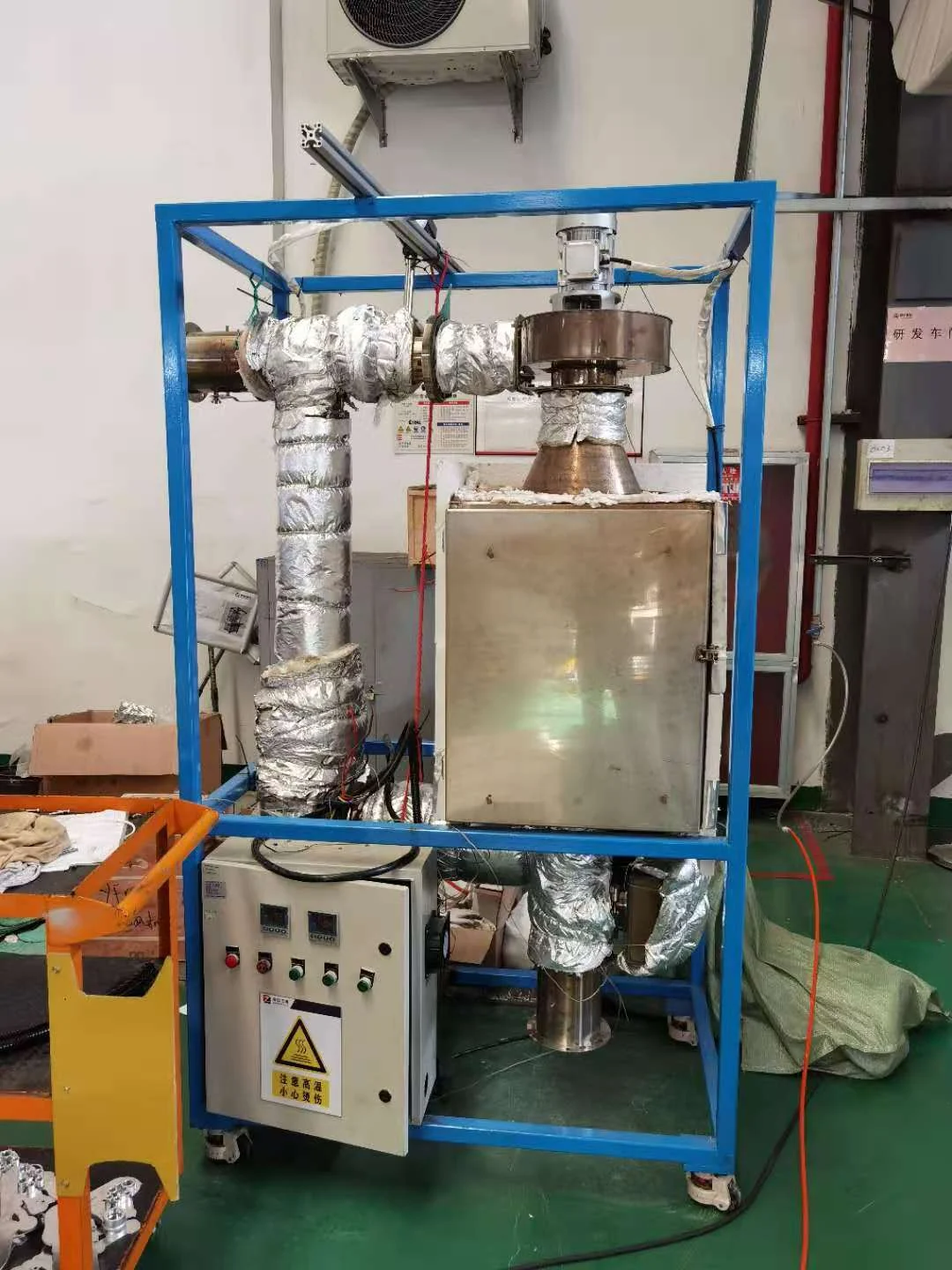
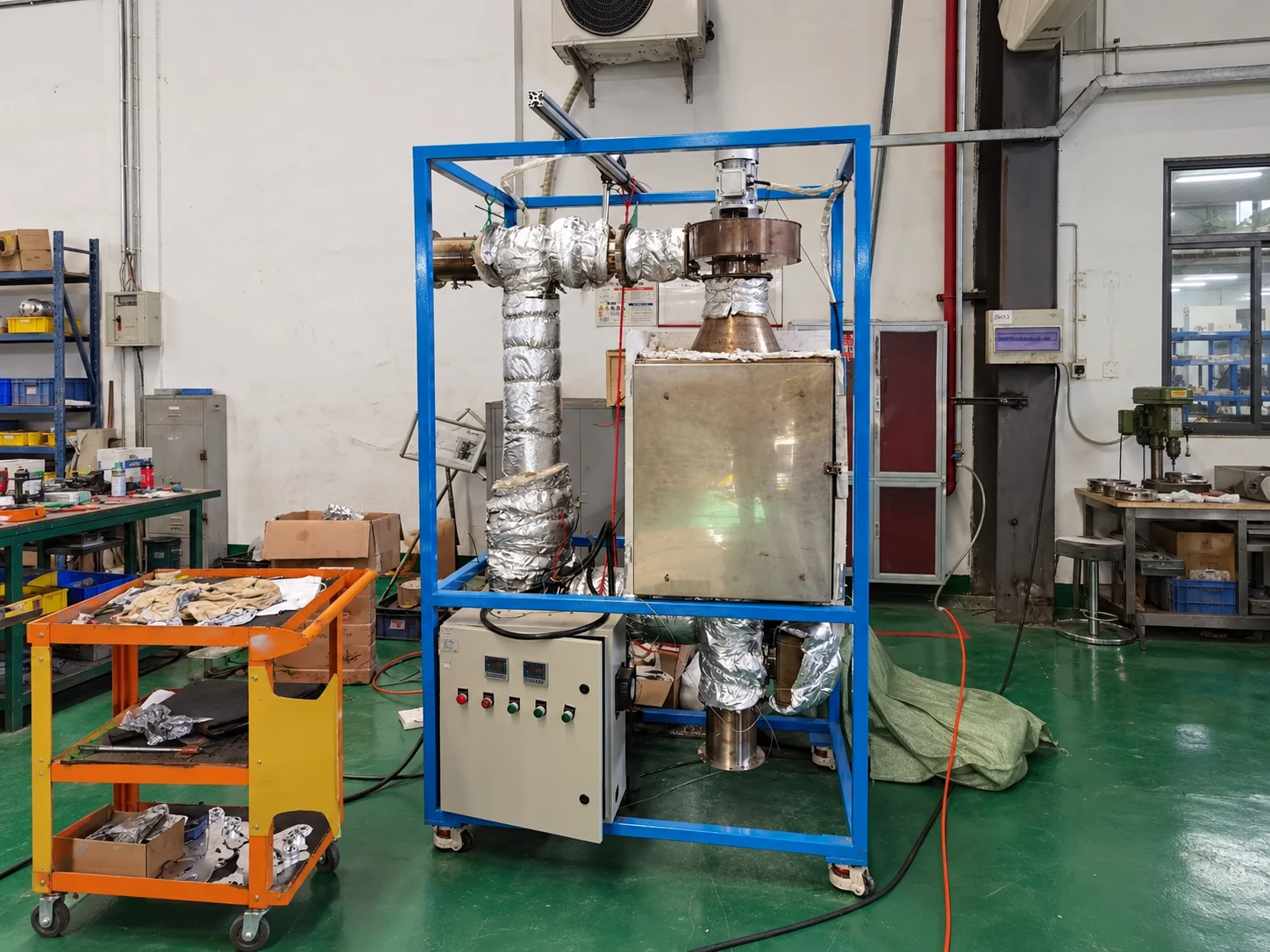
The original thermal circulation regeneration system was primarily developed around functional implementation. Its structural frame, insulated pipelines, electrical components, control system and mechanical assemblies remained largely exposed, making the equipment appear closer to an engineering prototype than a finished industrial product.
The design task was therefore not simply to create a new exterior.
The more important challenge was to reorganize a complex collection of engineering components into a coherent equipment architecture while respecting the functional relationships of the original system.
EQPID developed an integrated enclosure concept around the existing equipment, using sheet-metal structures to organize the machine visually, define the operating area, conceal unnecessary complexity and create a more unified product image.
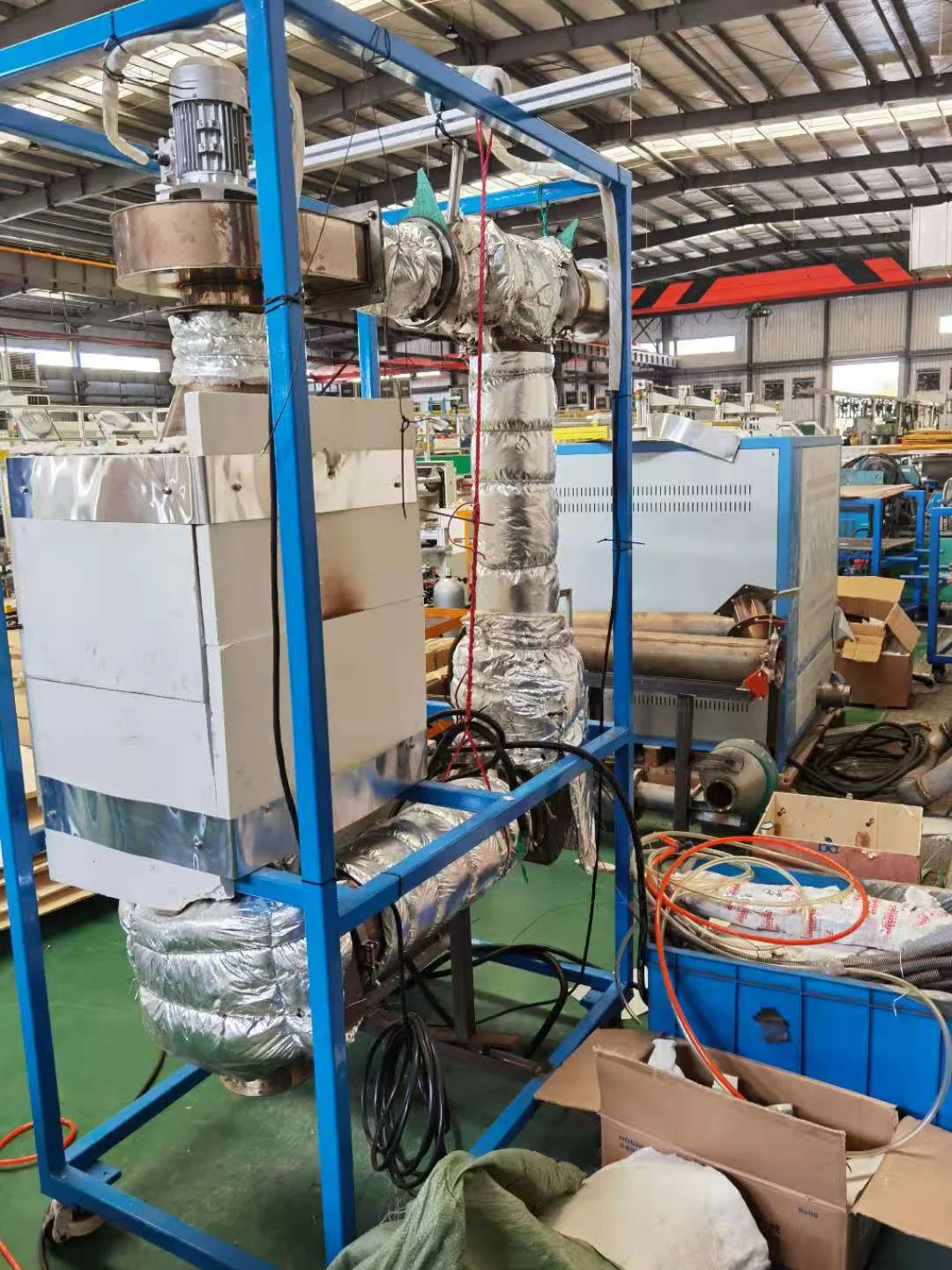
The original system already contained the core functional architecture, but its external presentation was highly fragmented.
The blue structural frame, insulated pipes, metal chambers, electrical control box, cables and mechanical components were visually independent from one another. This arrangement supported engineering development and functional verification, but it lacked the visual order expected from a finished commercial machine.
The challenge was to integrate the system without disrupting its engineering logic, while improving product integrity, interface clarity, ventilation, maintenance accessibility and manufacturability.
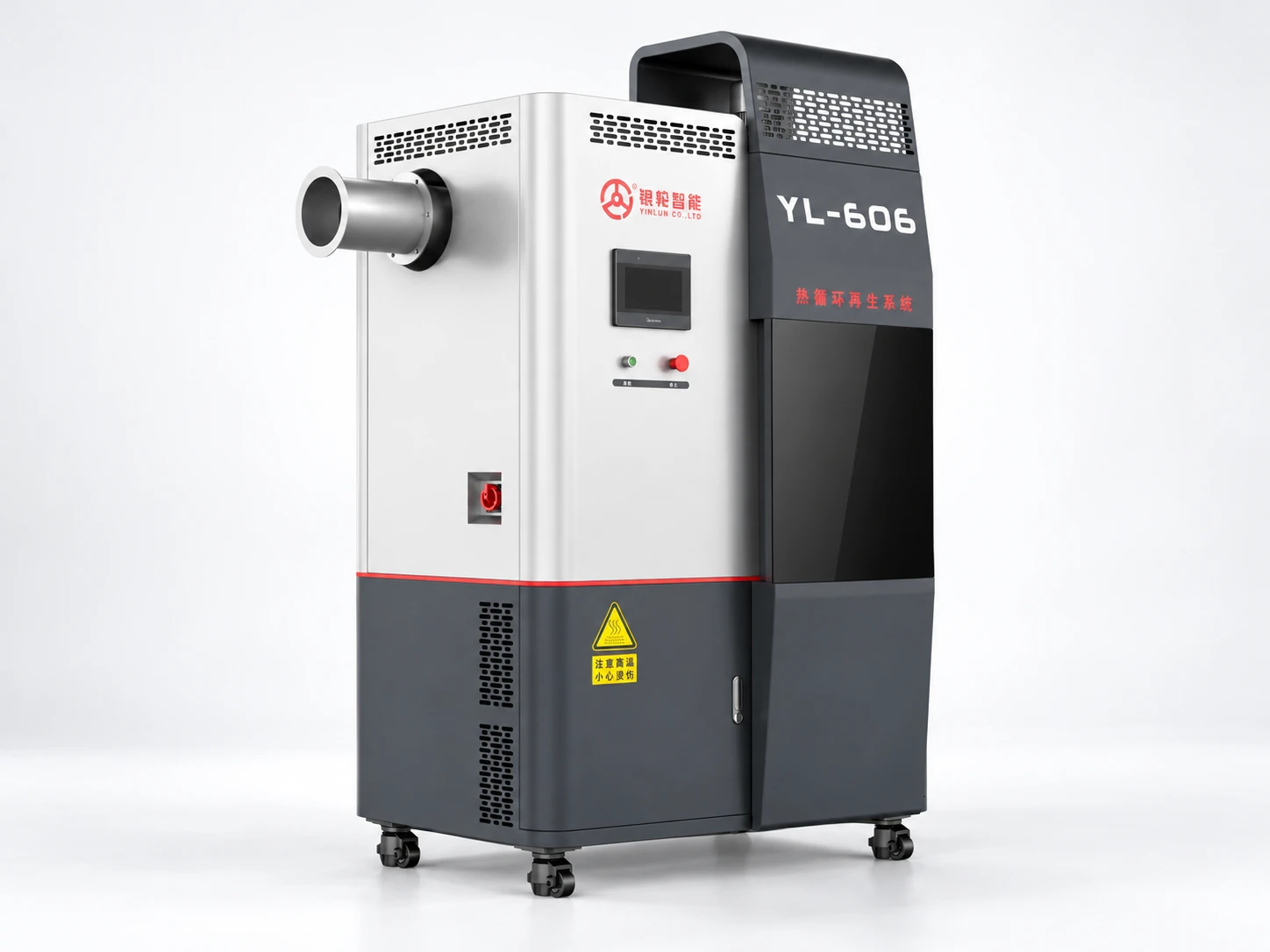
The redesign began by treating the equipment as a complete product rather than a collection of independent functional modules.
A new enclosure system was developed around the existing engineering architecture. Instead of allowing individual pipes, frames, electrical components and mechanical assemblies to define the appearance of the machine, the exterior was reorganized into several clear and controlled volumes.
This significantly reduced visual complexity and established a more coherent equipment silhouette.
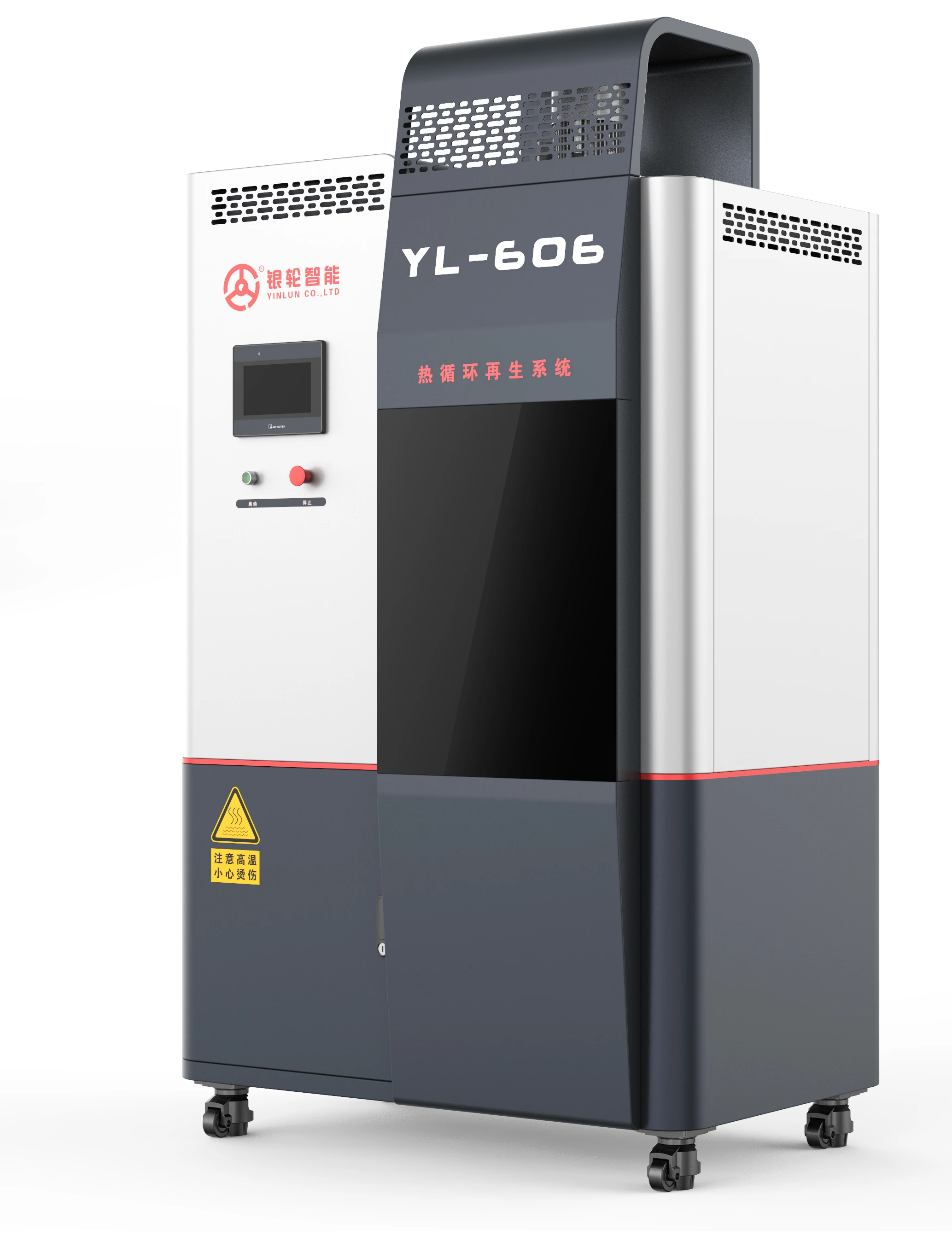
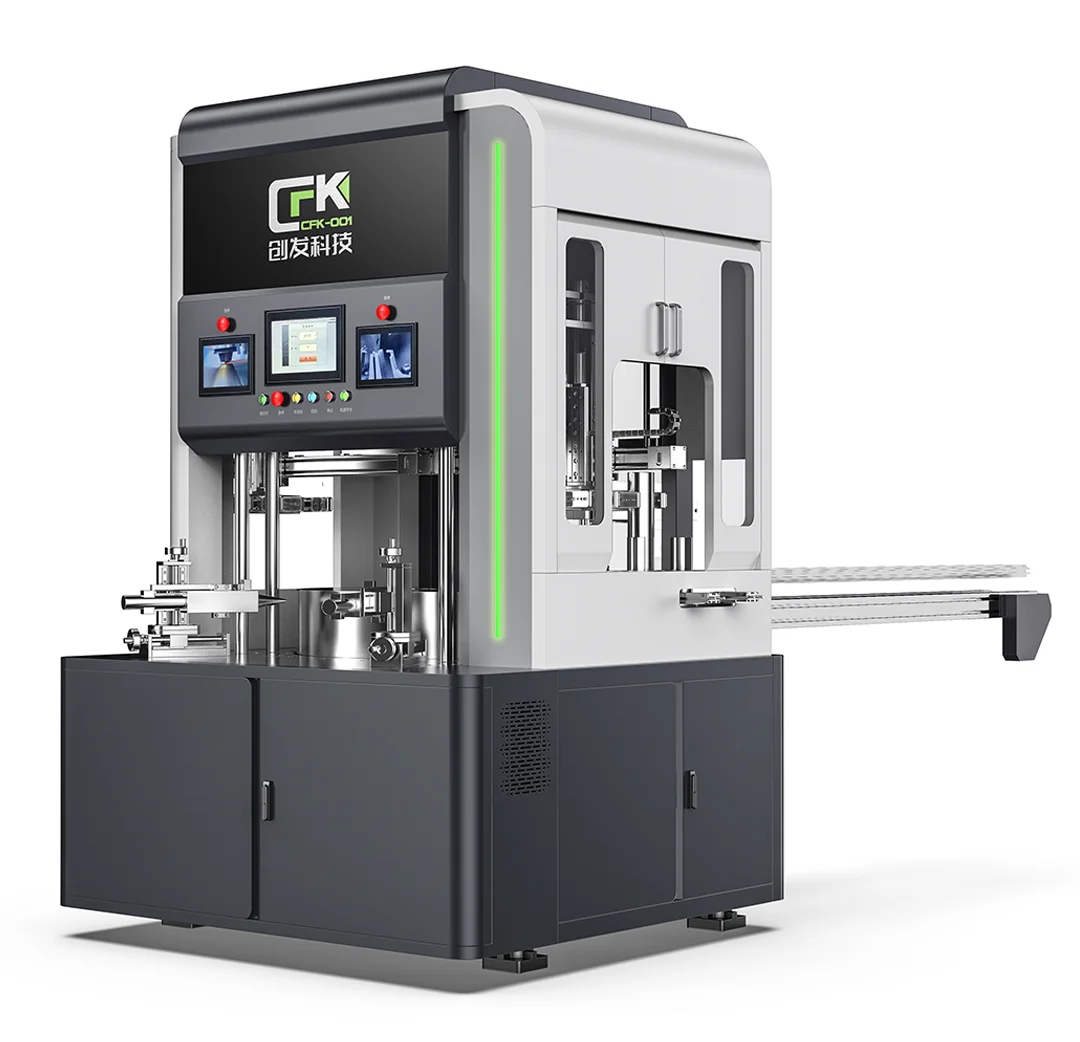
The display, indicator lights and control button were consolidated into a dedicated front-facing operating zone.
This created a clearer interaction area and allowed the control interface to become part of the overall product architecture rather than appearing as an independent electrical component attached to the machine.
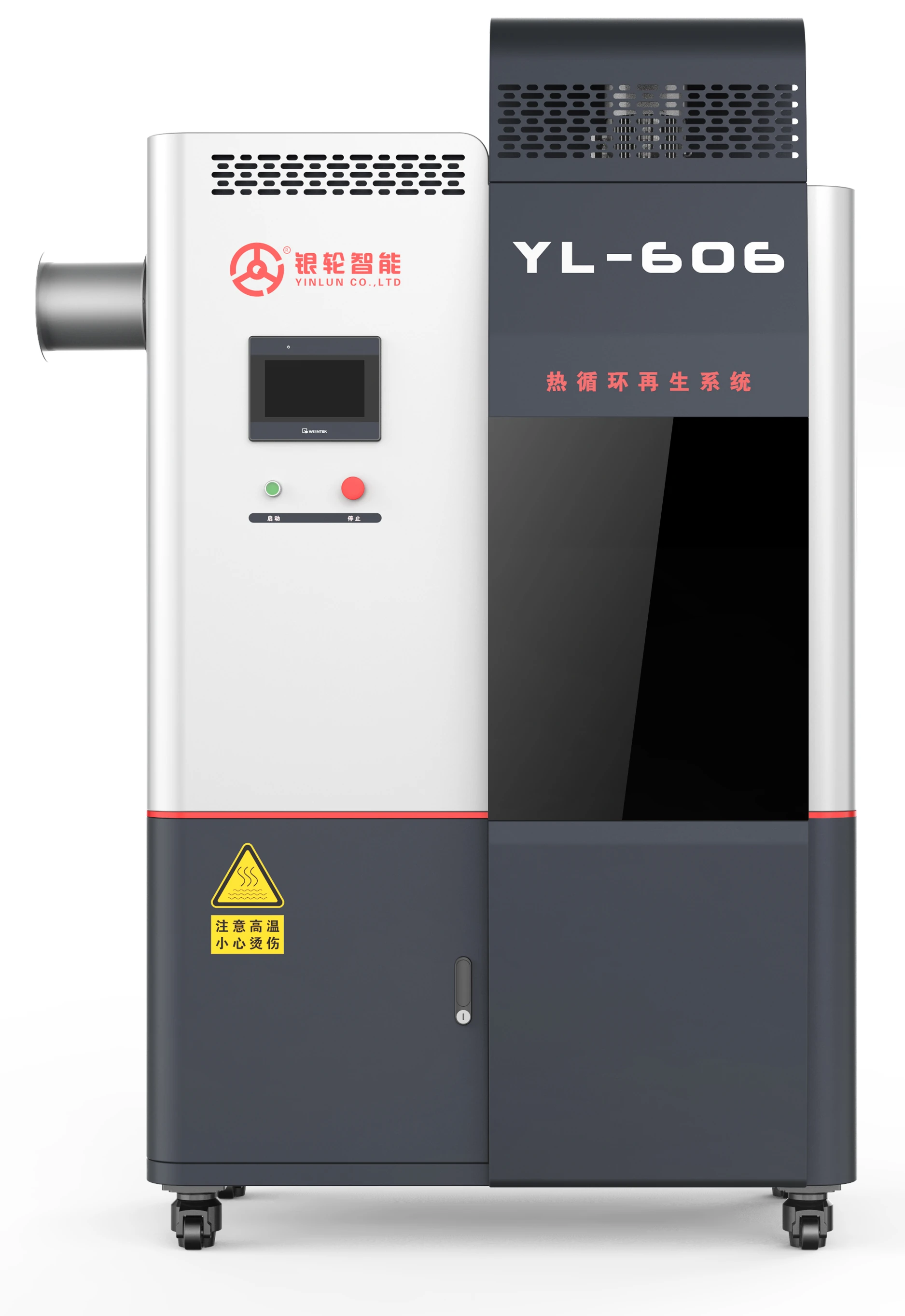
The final design uses a restrained combination of light and dark surfaces to organize the machine visually.
The light-colored section contains the operating interface, while the darker central volume strengthens the vertical proportion of the equipment and creates a more distinctive frontal identity.
A thin red line provides a continuous visual reference between the upper and lower sections, while the prominent YL-606 marking strengthens product recognition.
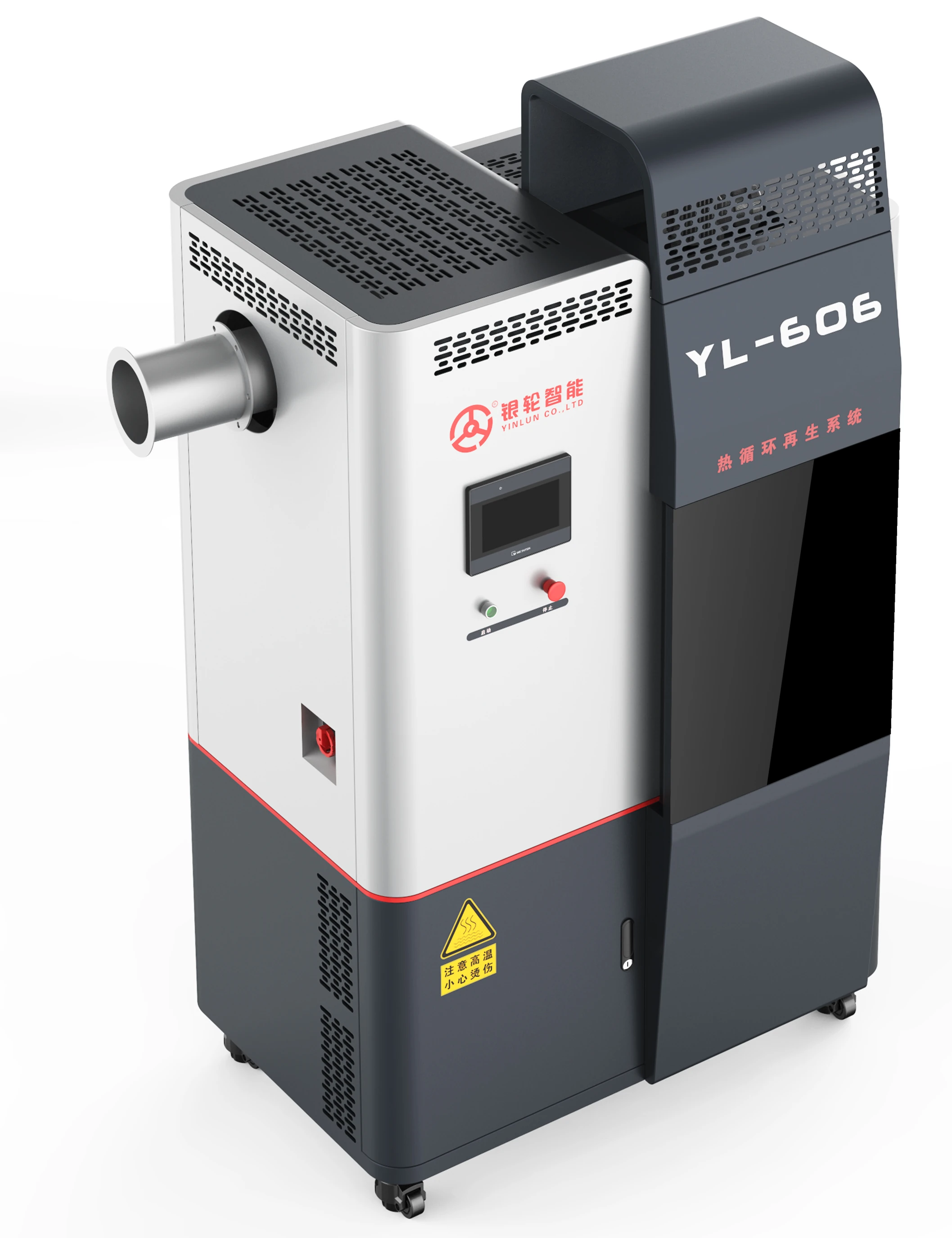
Industrial equipment often contains complex piping, thermal insulation, wiring, ventilation systems and mechanical structures.
The purpose of the enclosure was not simply to cover these components, but to establish a controlled boundary between what users need to see and what can remain inside the machine.
The result is a cleaner external presentation while retaining the functional character of the equipment.
The enclosure was developed around practical sheet-metal manufacturing methods.
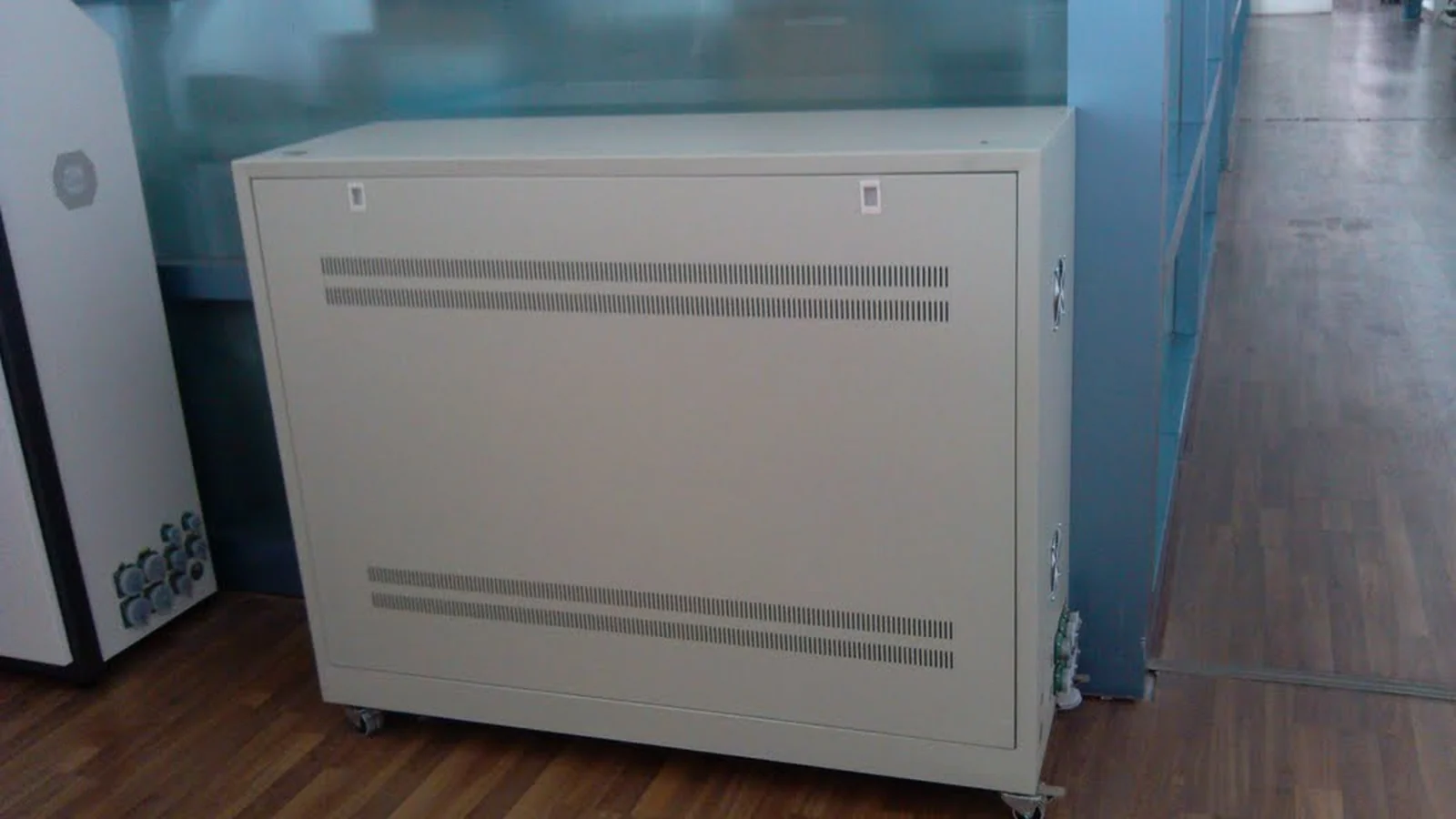
Large planar surfaces, folded panels, ventilation openings, access doors, panel divisions and service areas were incorporated into the exterior architecture.
This allowed the product language to remain controlled and relatively simple while supporting fabrication, assembly, maintenance and implementation.
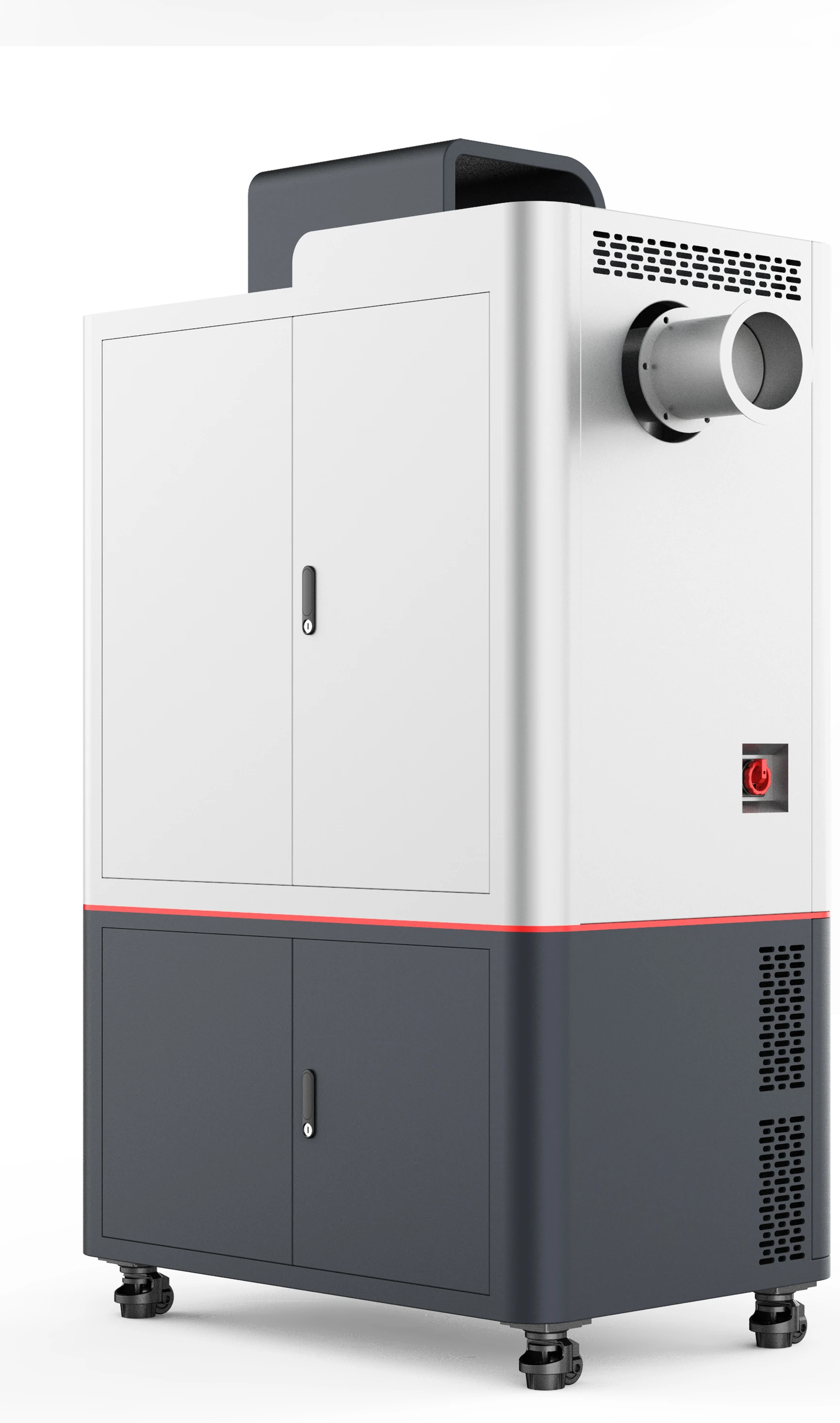
The operating interface was consolidated into a clearer front-facing area, helping users distinguish the interaction zone from the internal engineering system. The enclosure also reduced visual interference from exposed pipes, wiring, frames and auxiliary components.
A more complete equipment silhouette, controlled proportions, restrained color separation and stronger model identification transformed the system from an engineering assembly into a recognizable industrial product.
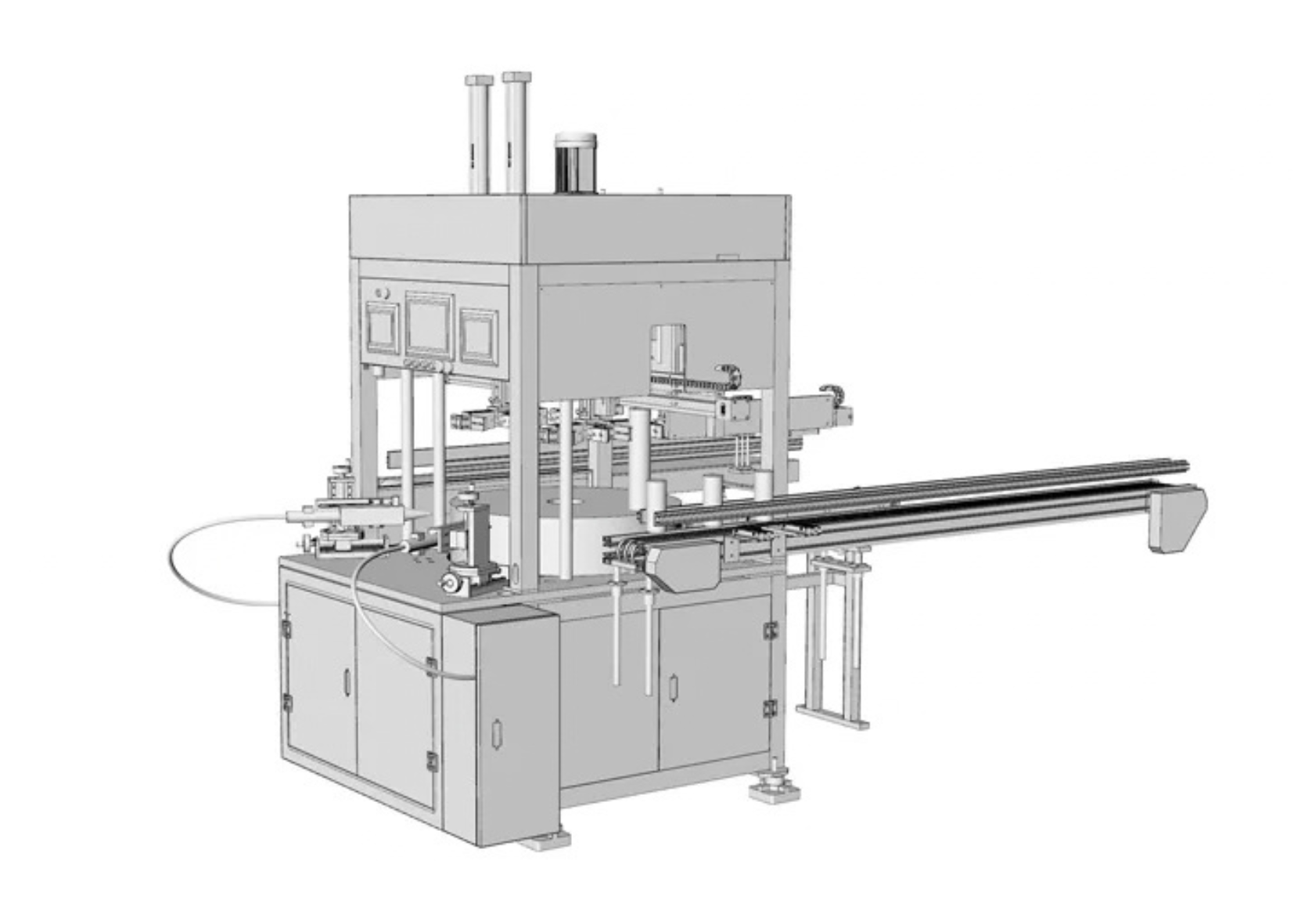
The exterior was developed around sheet-metal construction, using practical panel divisions, folded structures, ventilation openings, access doors and assembly logic to support manufacturing implementation.
Before: The original system was dominated by an exposed steel frame, insulated pipelines, electrical components and independently mounted functional modules. Its appearance clearly reflected an engineering development stage.
After: The redesigned equipment presents a much more integrated product architecture. The enclosure consolidates the machine into a unified visual volume, creates a clear operating face, strengthens product identification and significantly reduces the visual complexity of the internal system.
The transformation demonstrates how industrial design can convert engineering capability into a product form that is easier for customers to understand, evaluate and trust.
The completed design established a more integrated and commercially presentable product form for the thermal circulation regeneration system.
The project demonstrates how enclosure design, interface organization, visual hierarchy and manufacturing considerations can work together to transform a highly exposed engineering system into a coherent industrial product.
Rather than changing the underlying engineering purpose of the machine, the design focused on making that engineering capability more visible, understandable and credible through the product itself.
Client: Yinlun
Product: Thermal Circulation Regeneration System
Design Services: Exterior Design / CMF Design / Sheet Metal Structure Design
Design: EQPID