CASE STUDY
Integrated wastewater treatment equipment plays a critical role in modern environmental protection, providing efficient solutions for decentralized wastewater management in industries, communities, and remote areas.
Integrated wastewater treatment equipment plays a critical role in modern environmental protection, providing efficient solutions for decentralized wastewater management in industries, communities, and remote areas.
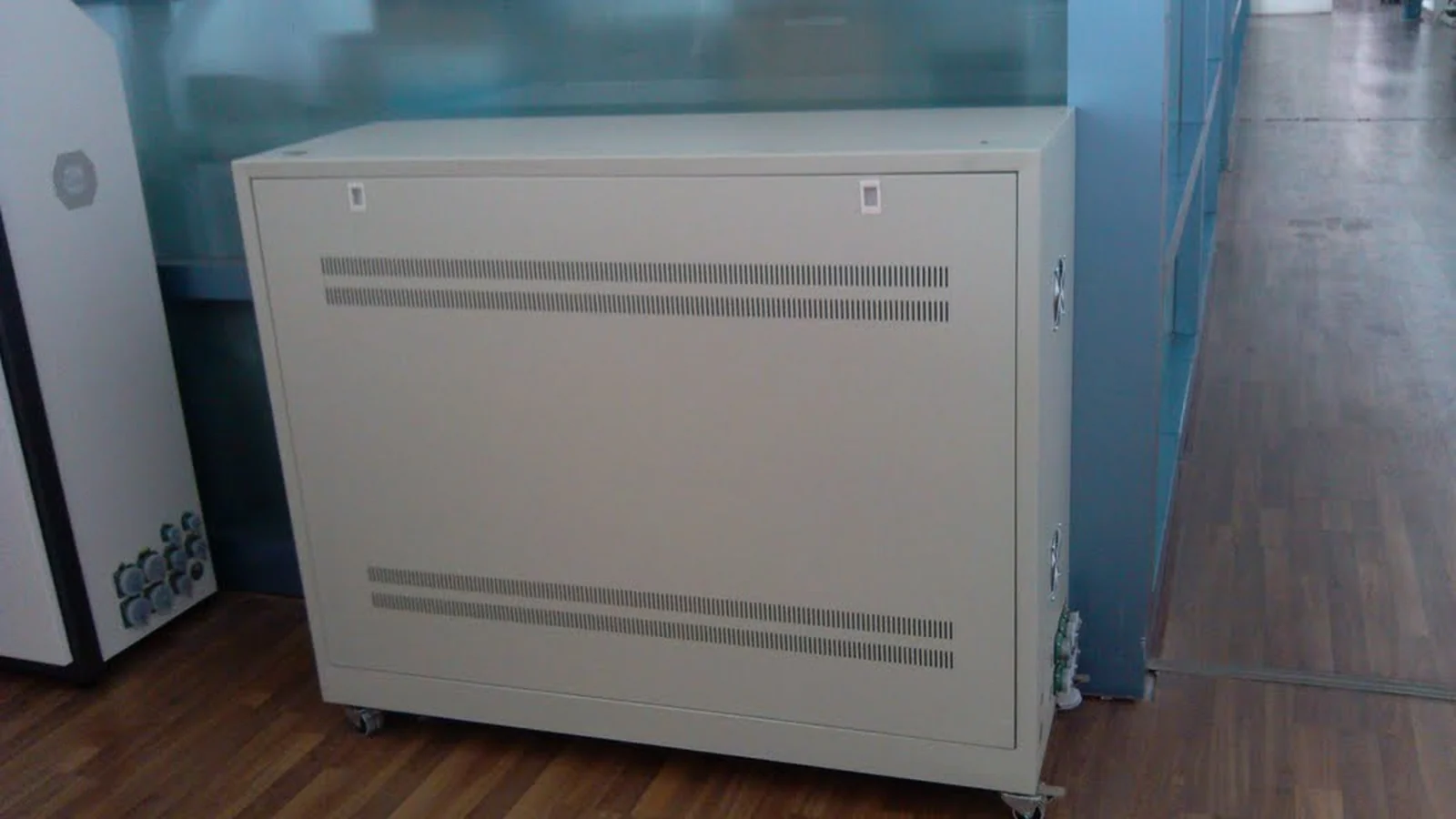
However, traditional wastewater treatment equipment often focuses primarily on engineering performance, resulting in bulky structures, complex visual systems, weak brand recognition, and limited user interaction experience.
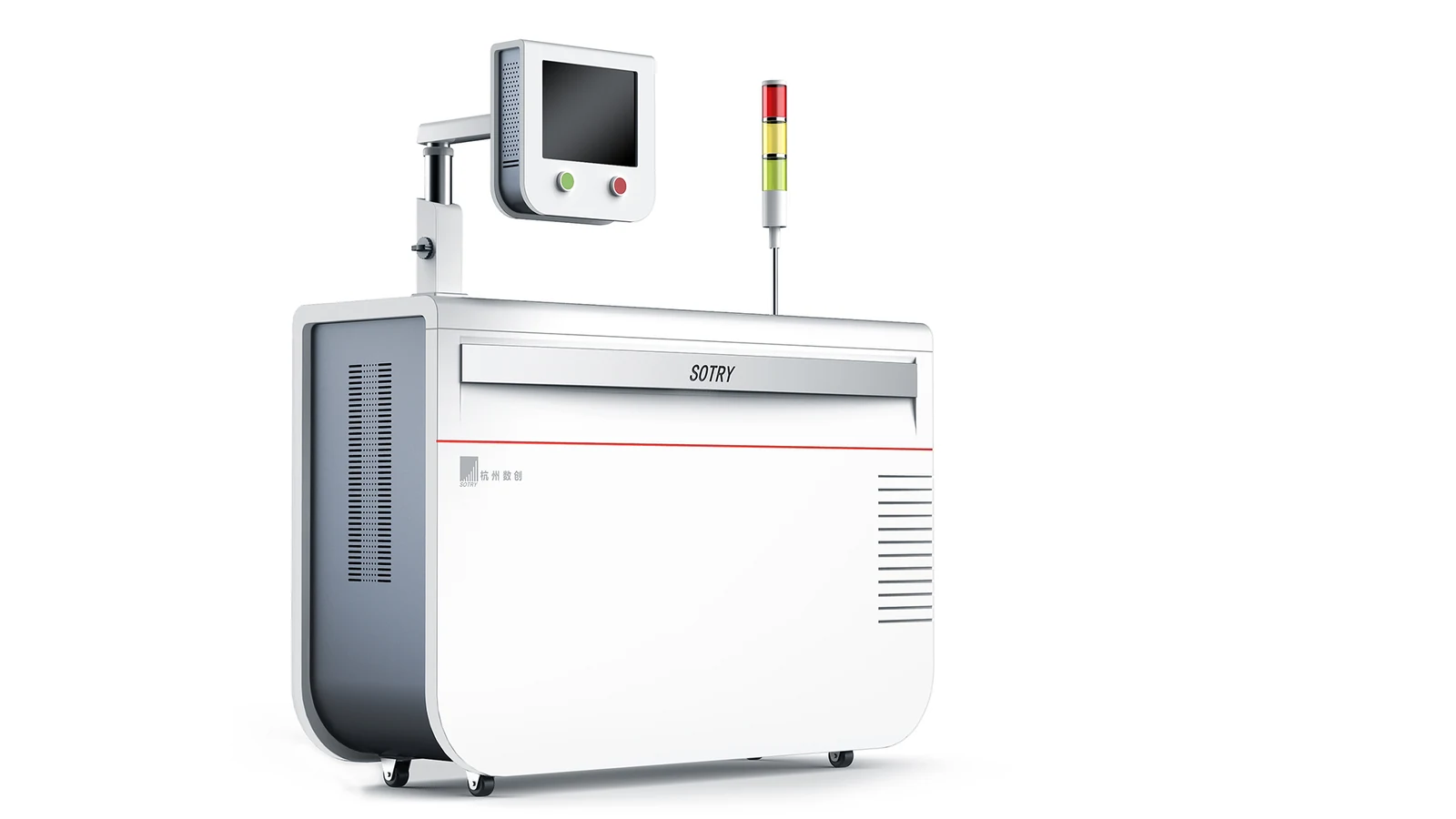
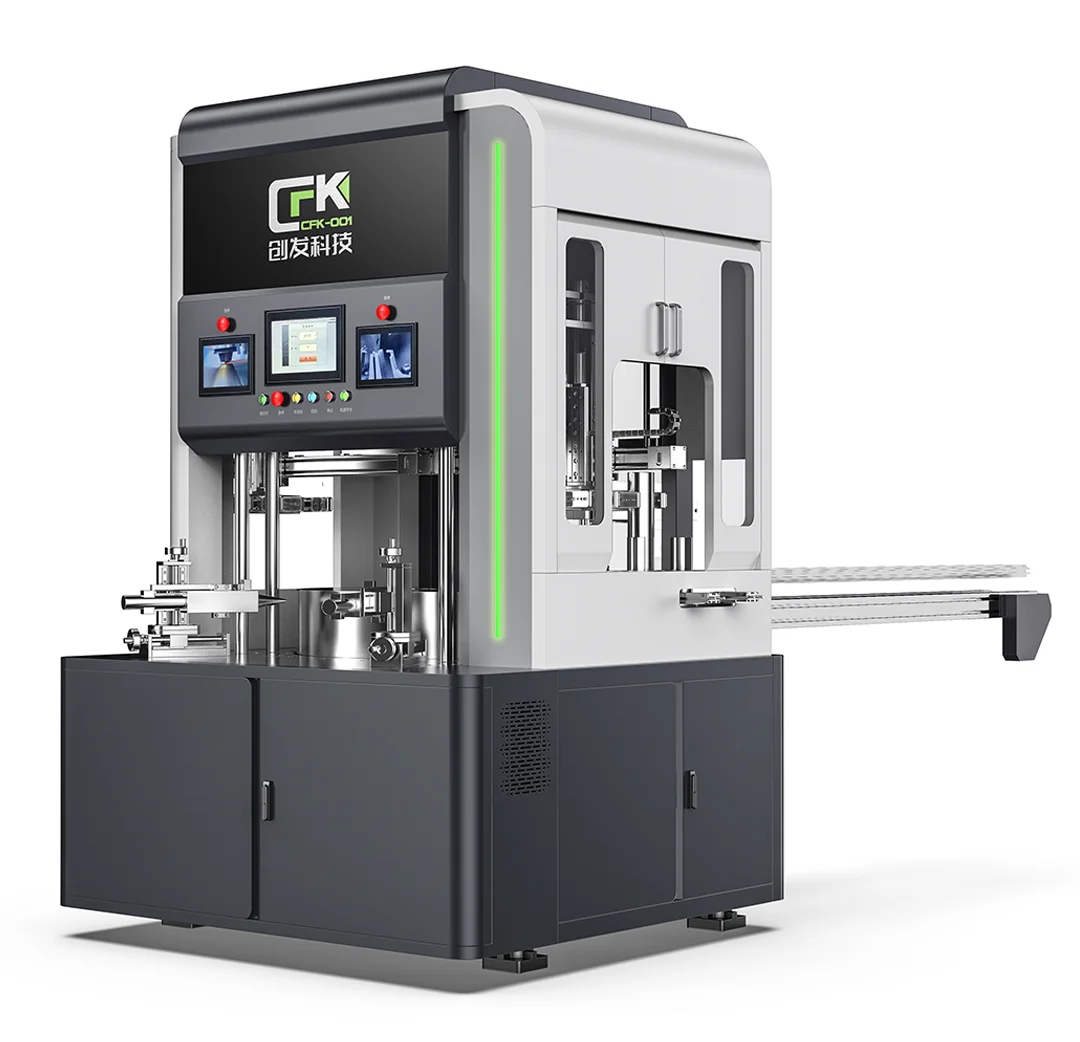
This project applied the Water-like Design Methodology to rethink the relationship between equipment, environment, and users. Through structural optimization, functional integration, and industrial aesthetic enhancement, the redesign transformed a conventional environmental machine into a more efficient, recognizable, and sustainable industrial product.
The design aims to improve operational experience, strengthen product competitiveness, and establish a professional visual identity for environmental equipment in global markets.
Water represents adaptability, balance, and continuous transformation. Inspired by these principles, the design approach focuses on creating harmony between:
The redesign follows a natural flow of thinking:
Understand → Integrate → Simplify → Enhance → Evolve
By analyzing the entire product ecosystem, the design improves not only the appearance but also the overall perception and usability of the equipment.


Traditional wastewater treatment systems are often installed in outdoor environments where equipment appearance, accessibility, and environmental integration directly affect user perception.
Through scenario analysis, key challenges were identified:
The redesign began by exploring how equipment could better coexist with users and environments.
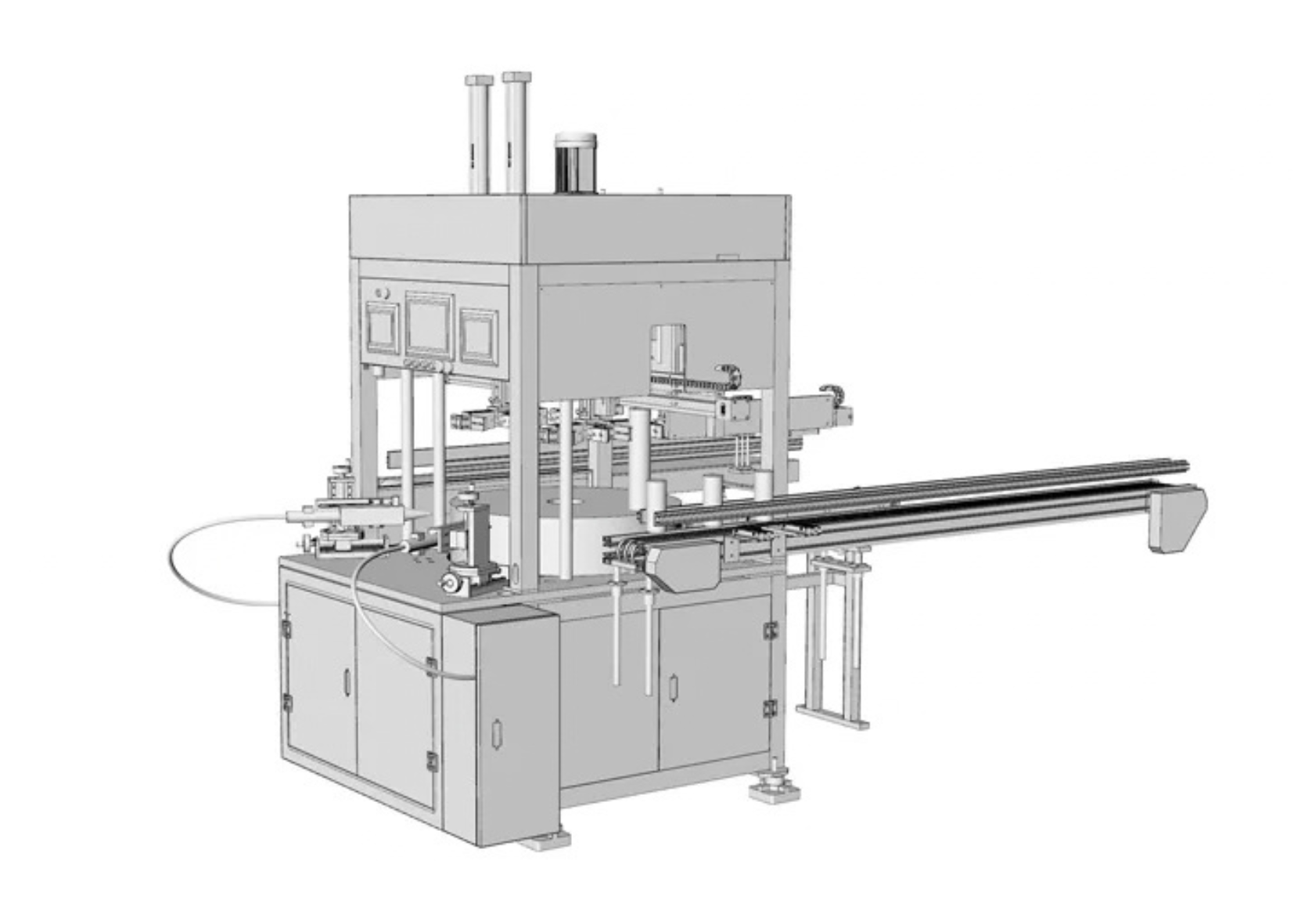
Following the principle of "flow", the design reorganized the relationship between different functional modules.
Optimization includes:
The new design presents a more compact and organized appearance while maintaining engineering requirements.
Although wastewater treatment equipment operates automatically, human interaction remains essential during installation, inspection, and maintenance.
The redesign considers:
The equipment becomes easier to understand, operate, and maintain.
Environmental equipment should not only perform its technical function but also respect the surrounding environment.
The design introduces:
The equipment is transformed from a purely functional machine into a modern environmental facility that reflects sustainability and technological advancement.
Many environmental products compete primarily through technical specifications, while their visual identity remains weak.
This redesign establishes a stronger product language through:
The upgraded design helps companies communicate reliability, innovation, and environmental responsibility.
The redesign considers real industrial production requirements:
The final solution achieves a balance between advanced appearance and practical production feasibility.
Through the EQPIDM Design Methodology, the integrated wastewater treatment equipment has evolved from a traditional functional system into a modern sustainable industrial product.
The redesign delivers:
✓ Improved environmental integration
✓ Stronger product recognition
✓ Enhanced maintenance experience
✓ More efficient structural organization
✓ A professional global market image
This project demonstrates how industrial design can transform environmental technology into a product experience that communicates efficiency, sustainability, and long-term value.