CASE STUDY
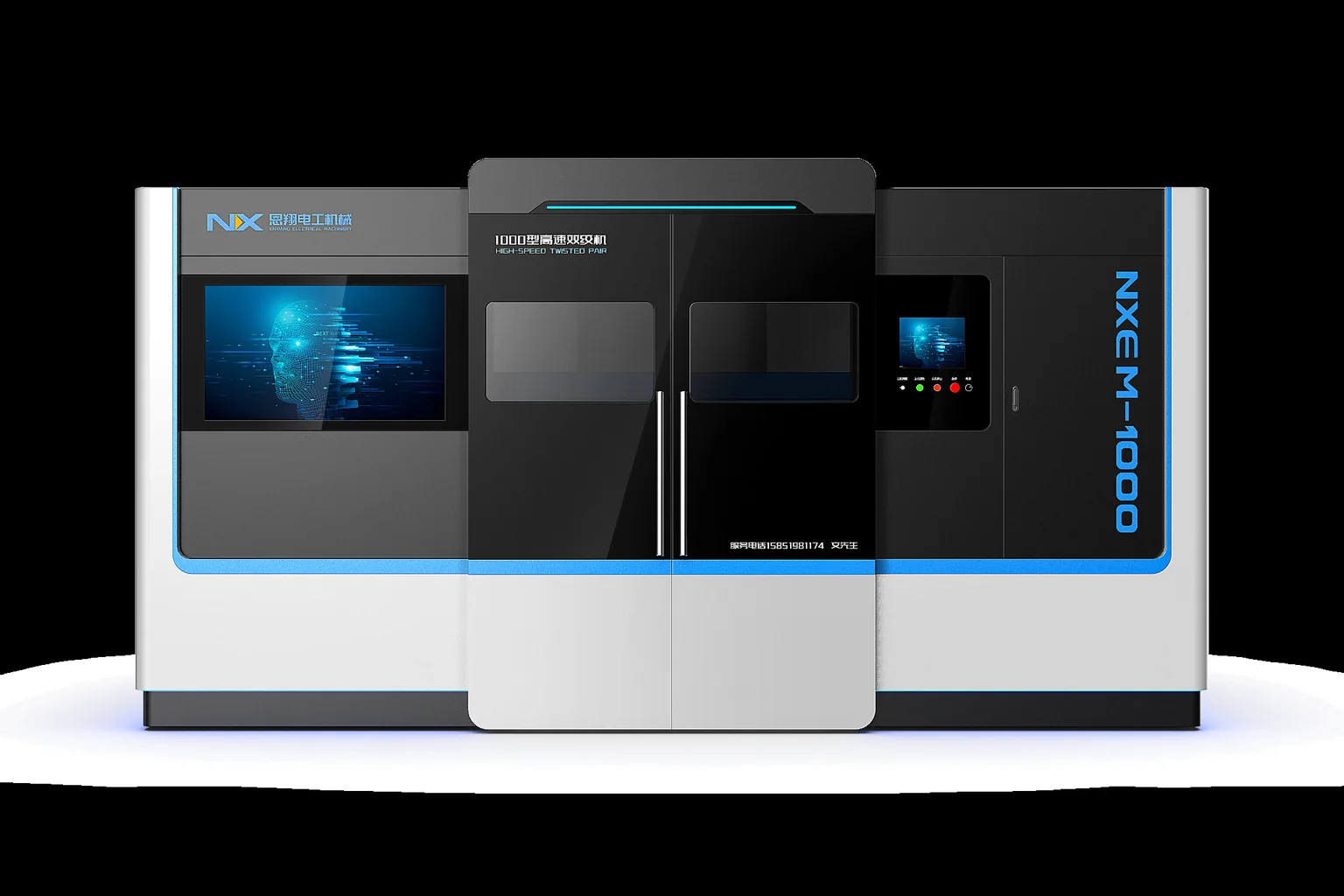
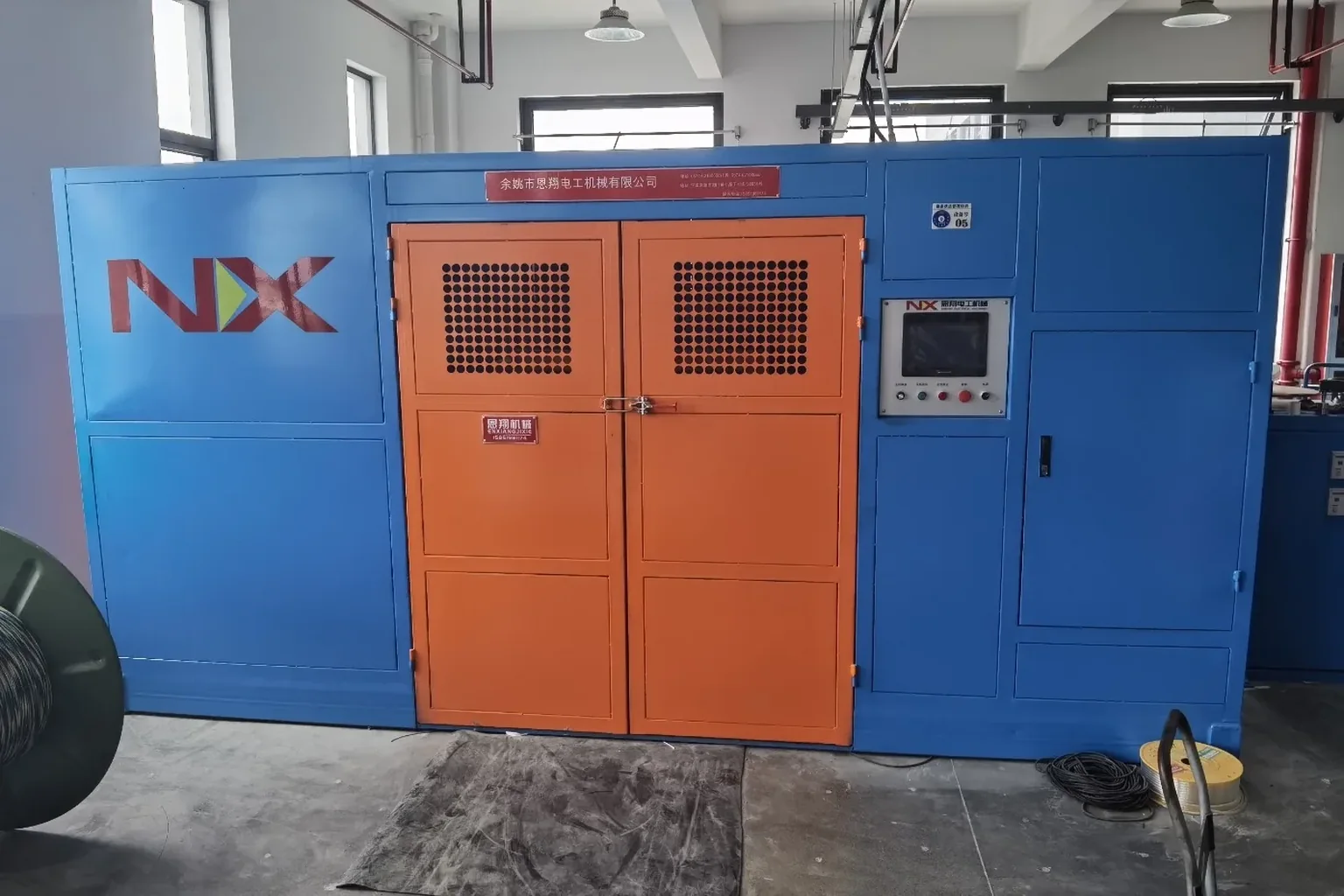
EQPID redesigned the winding machine around a clearer product architecture, reorganizing its enclosure, operating interface, observation areas and CMF into a more coherent industrial product. A continuous silhouette, concentrated operating zone, integrated observation windows and restrained black-and-white CMF transform an engineering-driven exterior into a more complete, professional and recognizable product.
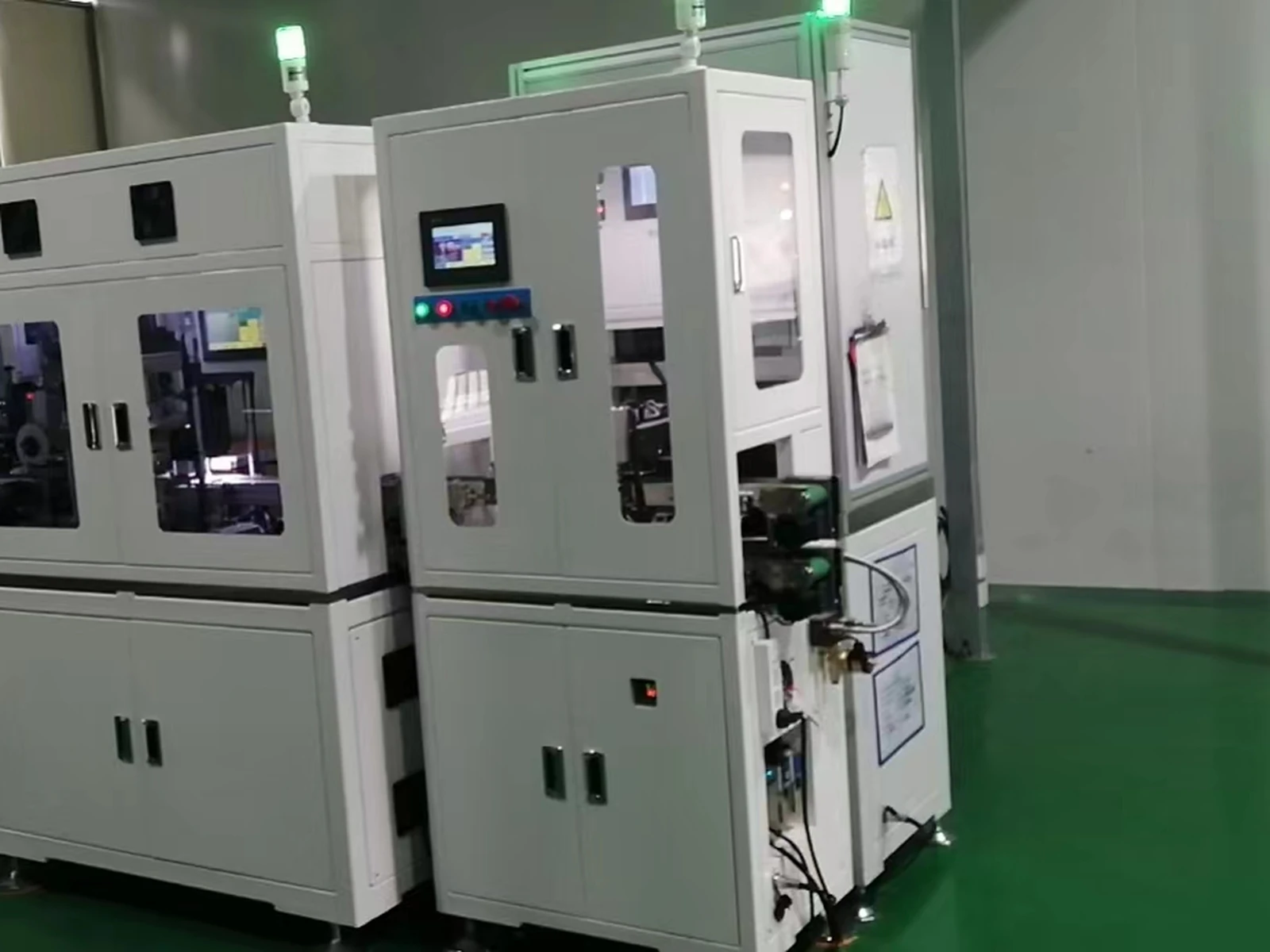
The original winding machine already had the functional enclosure and access required for operation, observation and maintenance.
Its white sheet-metal body incorporated doors, windows, controls, indicators and other functional elements according to engineering requirements.
From a product-design perspective, however, these elements remained relatively independent.
The exterior was primarily determined by function, while the overall form, operating interface and brand expression lacked a strong visual hierarchy.
The redesign therefore focused on a fundamental question: How can existing engineering functions be reorganized into a coherent product architecture?
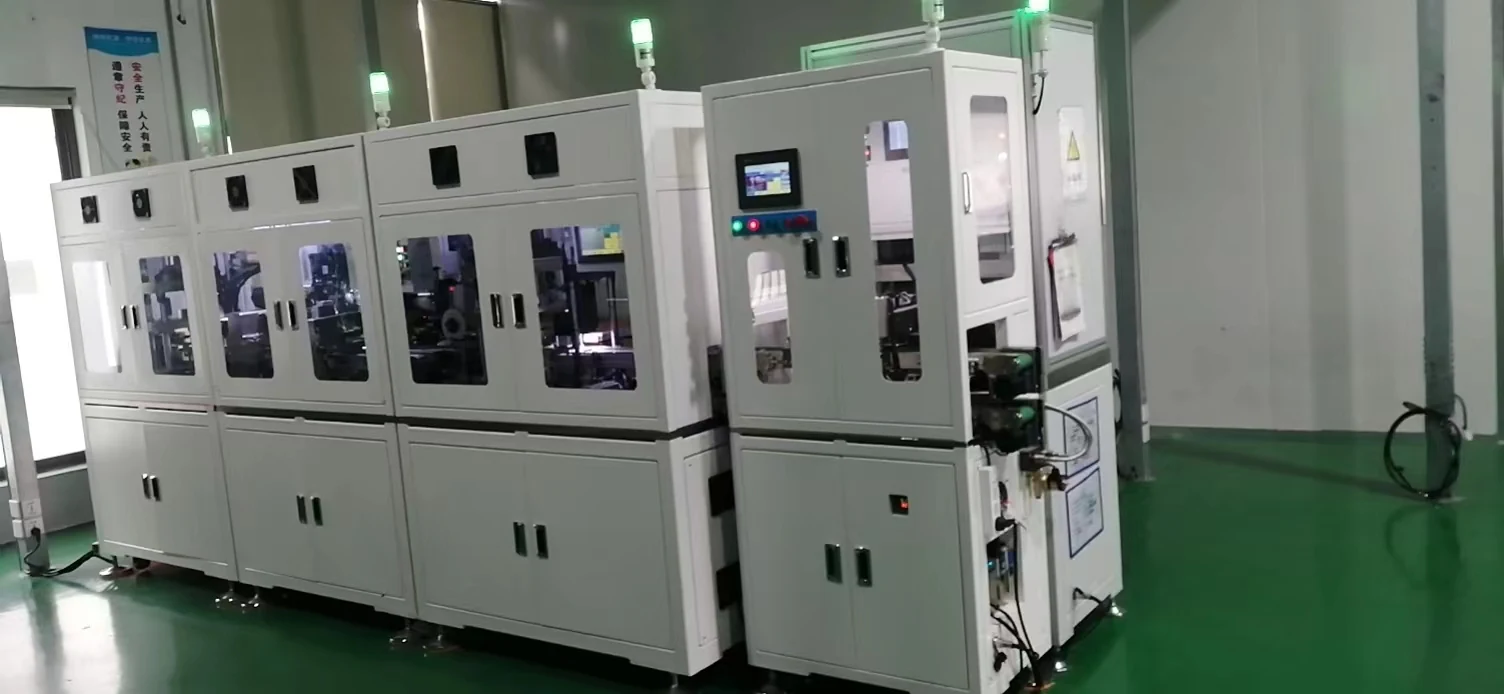
The exterior of a winding machine cannot be designed independently from its internal mechanisms.
Observation windows, controls, maintenance access, ventilation and exposed functional components all need to remain accessible and understandable.
The challenge was therefore not to hide engineering complexity. It was to organize it.
In the original equipment, doors, windows, handles, controls and functional components all competed for visual attention.
The redesign needed to establish stronger hierarchy without compromising the machine's functional relationships.
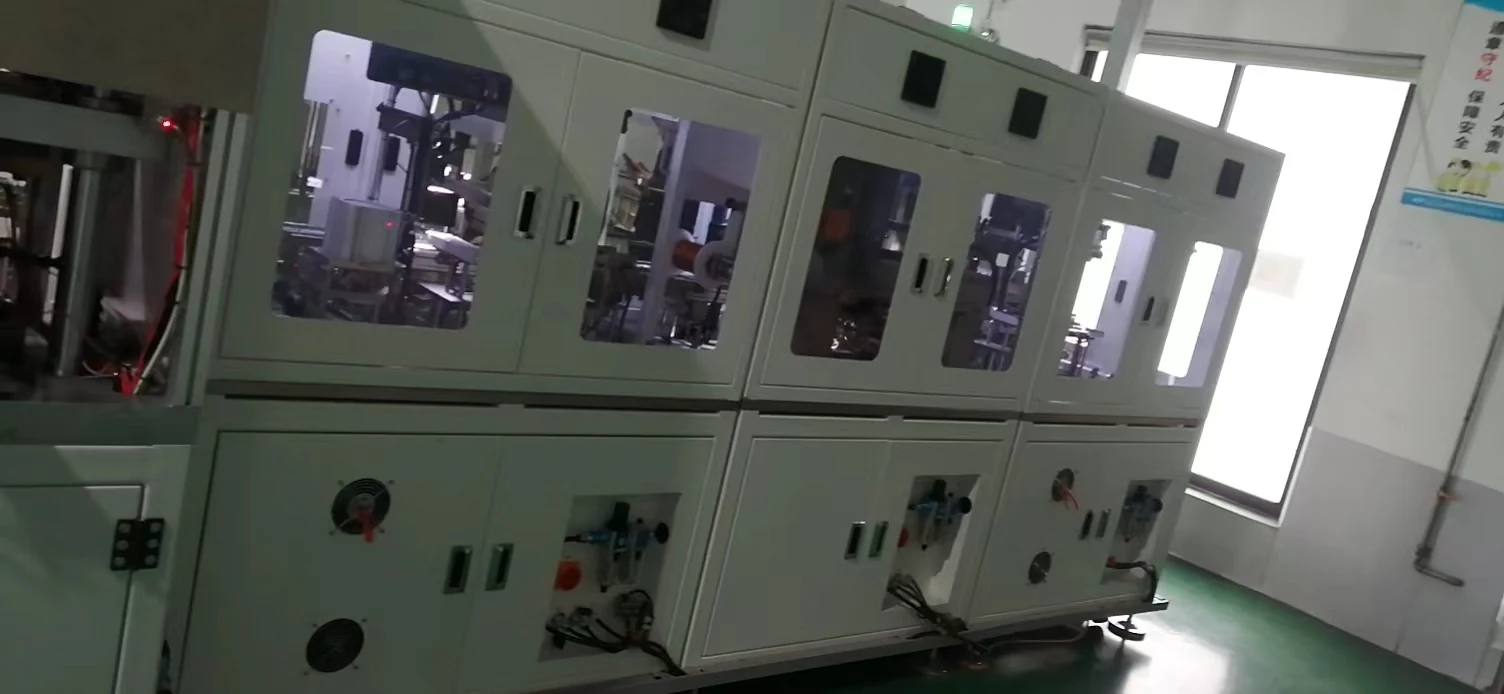
The original machine was primarily defined by a white sheet-metal enclosure with doors, observation windows, controls, handles and status elements positioned around functional requirements.
The structure was clear and functional, but the different elements carried relatively equal visual weight, limiting the overall product hierarchy and identity.
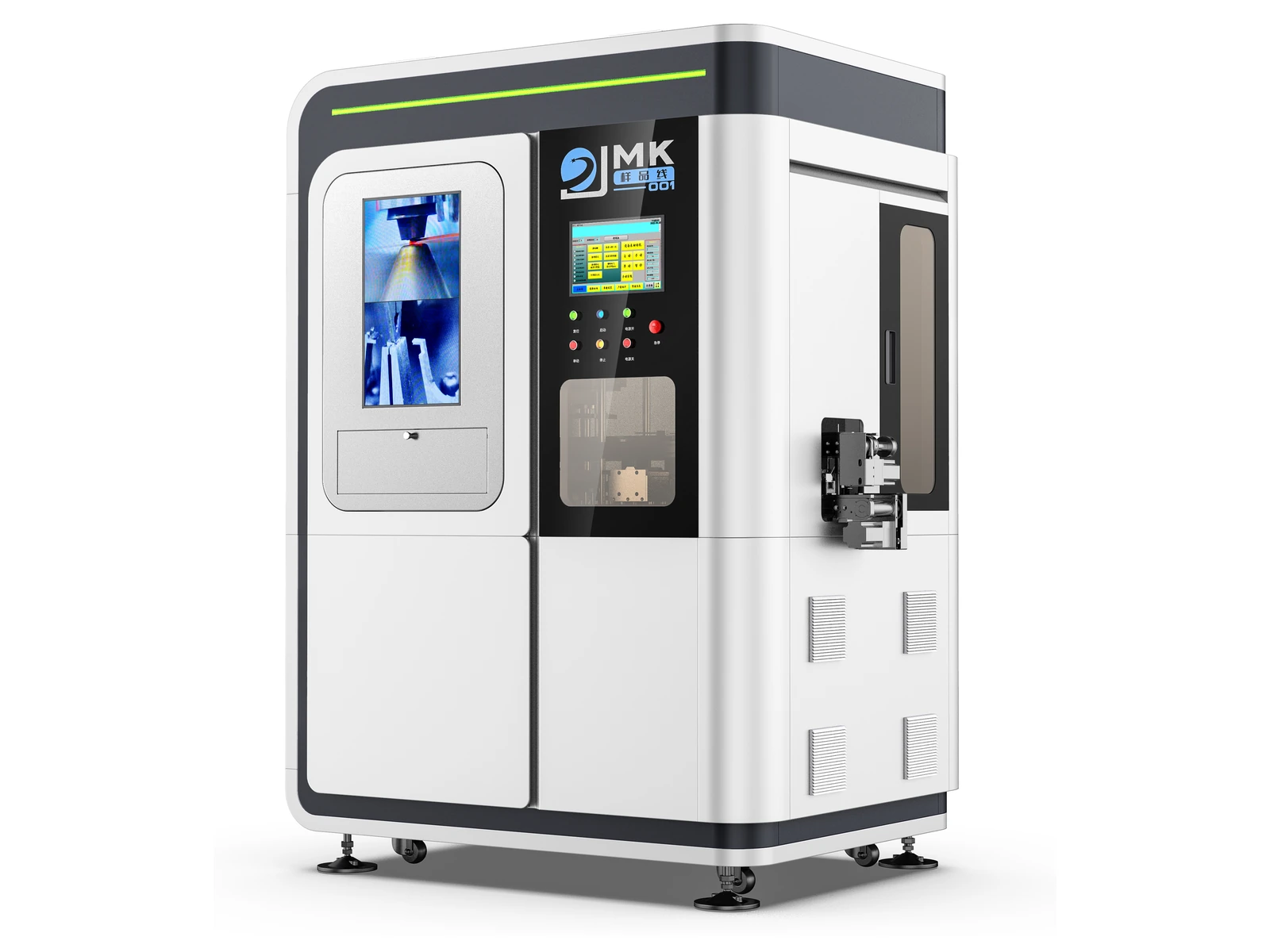
The redesign begins with the overall silhouette.
Broad-radius transitions connect the upper, side and lower areas into a continuous visual frame, creating a clearer boundary around the machine.
Dark perimeter elements reinforce this architecture and reduce the visual dominance of individual panels and seams.
The machine is perceived first as one product, and then as a collection of functional areas.
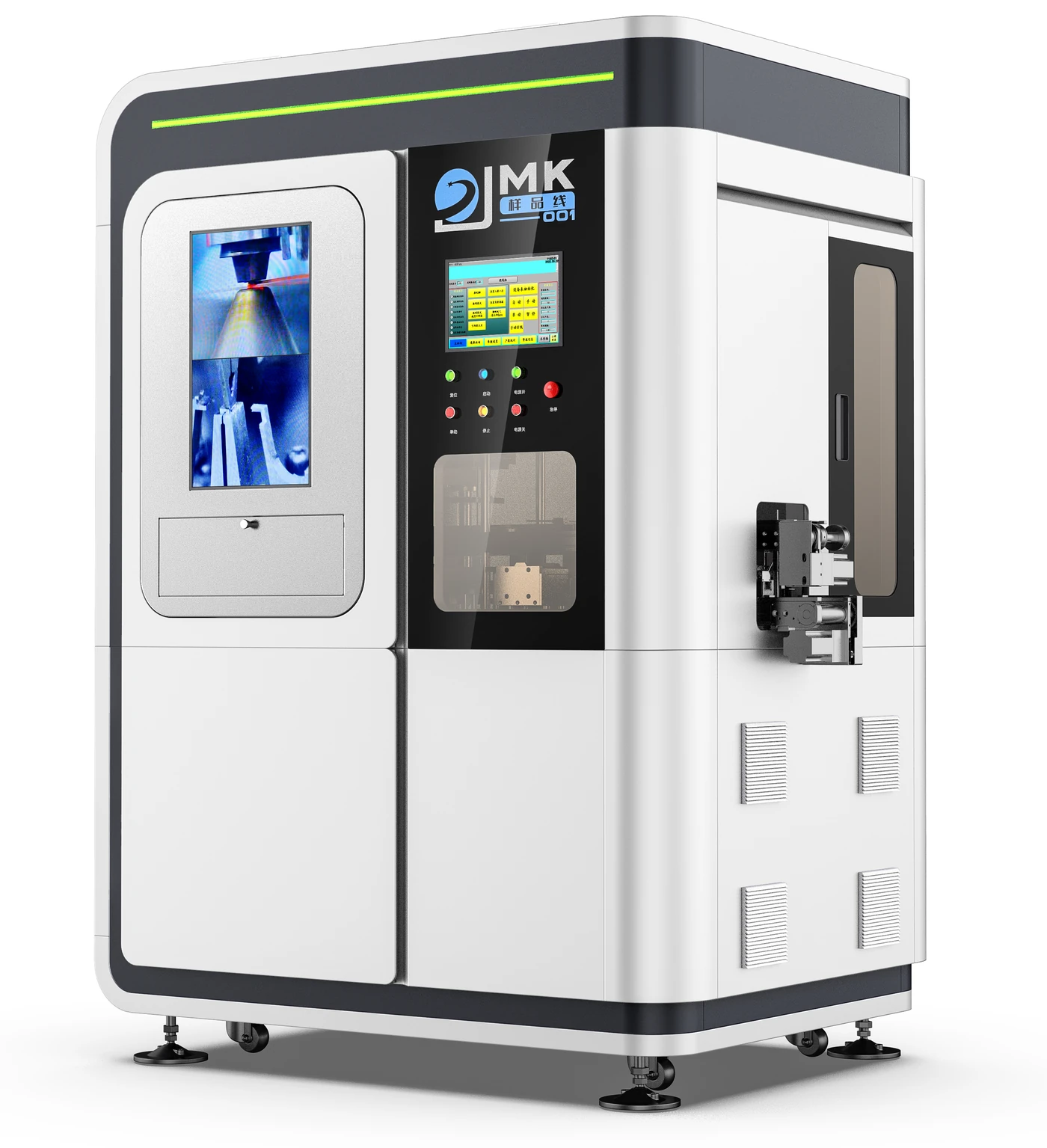
The HMI, physical controls, branding and key observation functions are brought together on the primary front interface.
A vertical dark panel becomes the visual and operational focal point of the machine.
Rather than treating the control panel as an engineering component attached to the enclosure, the redesign makes it part of the overall product architecture.
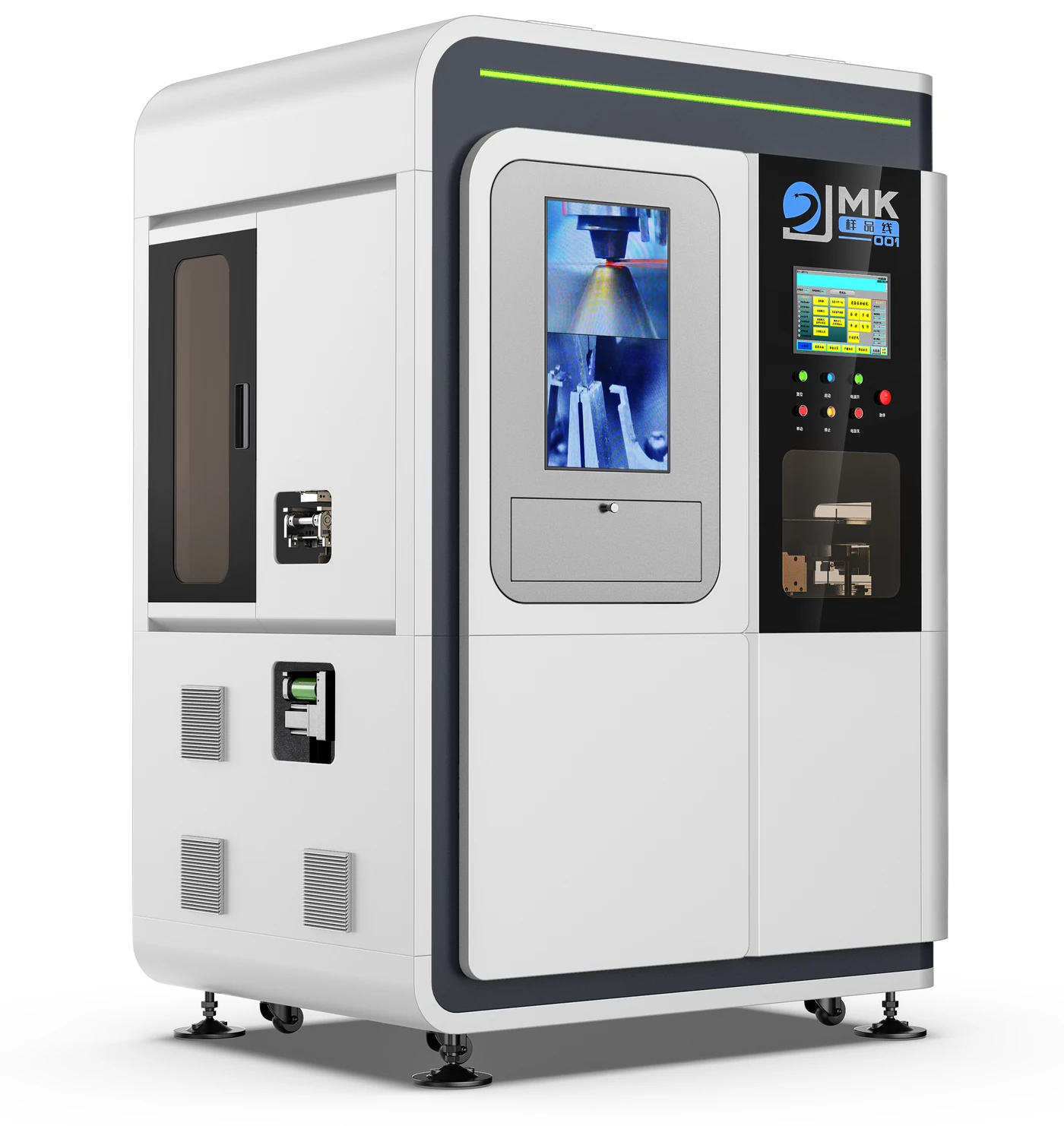
Observation is an essential part of the machine's use.
Instead of treating windows as isolated openings, the redesign incorporates them into a consistent geometric language.
Rounded rectangular forms, controlled framing and coordinated surrounding surfaces allow the observation areas to support both function and product identity.
The functional requirement itself becomes part of the visual system.
White defines the main enclosure, while dark gray and black are concentrated around areas with greater visual and functional importance.
The contrast separates the main body from operating, observation and identity zones.
A linear green accent across the upper section adds a distinctive visual signature without overwhelming the industrial character of the machine.
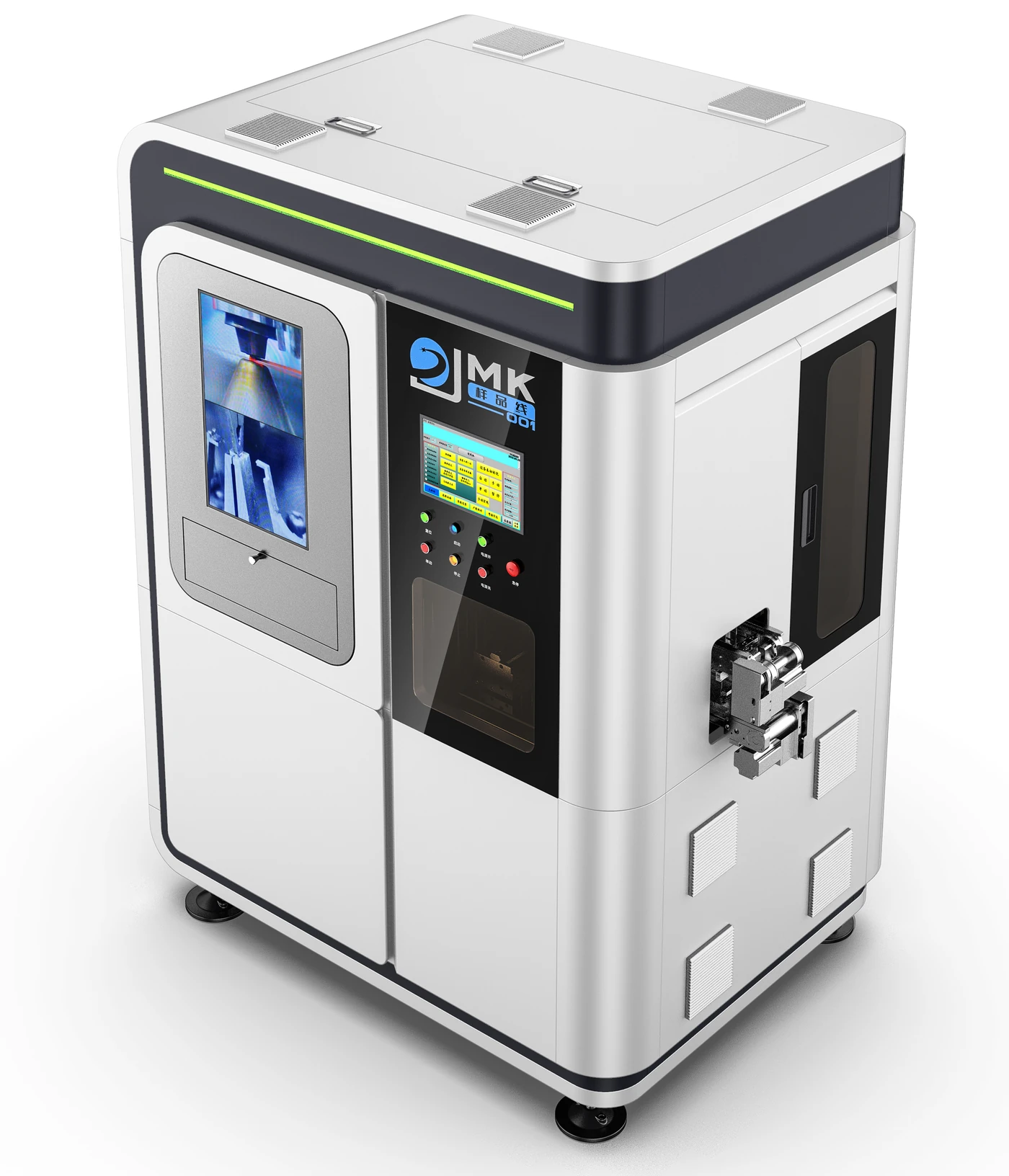
The redesign does not rely on excessive decorative components or complex surfacing.
Its identity comes from a limited number of clear relationships: large continuous surfaces, broad corner radii, controlled panel divisions, a concentrated functional interface and restrained visual accents.
This approach creates a stronger product image while maintaining the rational character expected of industrial equipment.
The primary HMI, controls and observation areas are organized into clearer functional zones.
The design makes the machine easier to visually understand by establishing stronger relationships between operating, observation and supporting areas.
The objective is not to add functionality, but to make existing functionality more legible.
The redesign creates a clearer silhouette, stronger primary surface, more structured CMF and a more focused operating interface.
Instead of allowing doors, windows and engineering components to carry equal visual weight, the machine now has a deliberate hierarchy.
This transforms an engineering-driven appearance into a more complete industrial product identity.
The visual language remains rooted in sheet-metal equipment construction.
Large planar surfaces, clear panel divisions and broad-radius transitions create recognizable product character without depending on unnecessary geometric complexity.
Observation, ventilation, access and functional components remain clearly integrated into the enclosure.
The design therefore strengthens product expression while respecting manufacturing logic.
Good to Use · Good to Look At · Good to Manufacture
The redesigned machine establishes the overall product silhouette as the primary visual layer.
A continuous dark frame defines the machine boundary, the white enclosure creates a coherent main volume, and operating and observation areas are reorganized into a clearer hierarchy.
The engineering functions remain visible, but they are now expressed through a more deliberate and integrated product architecture.
The redesign goes beyond styling or color change.
It reorganizes the way the machine communicates its functions.
Previously independent doors, windows, controls and functional components are integrated into a coherent exterior architecture.
The result is a more complete silhouette, clearer operating zone, stronger functional hierarchy, more consistent CMF and a more recognizable industrial product identity.
For EQPID, this reflects an important principle of industrial equipment design: design does not hide engineering complexity—it turns complexity into clear product order.